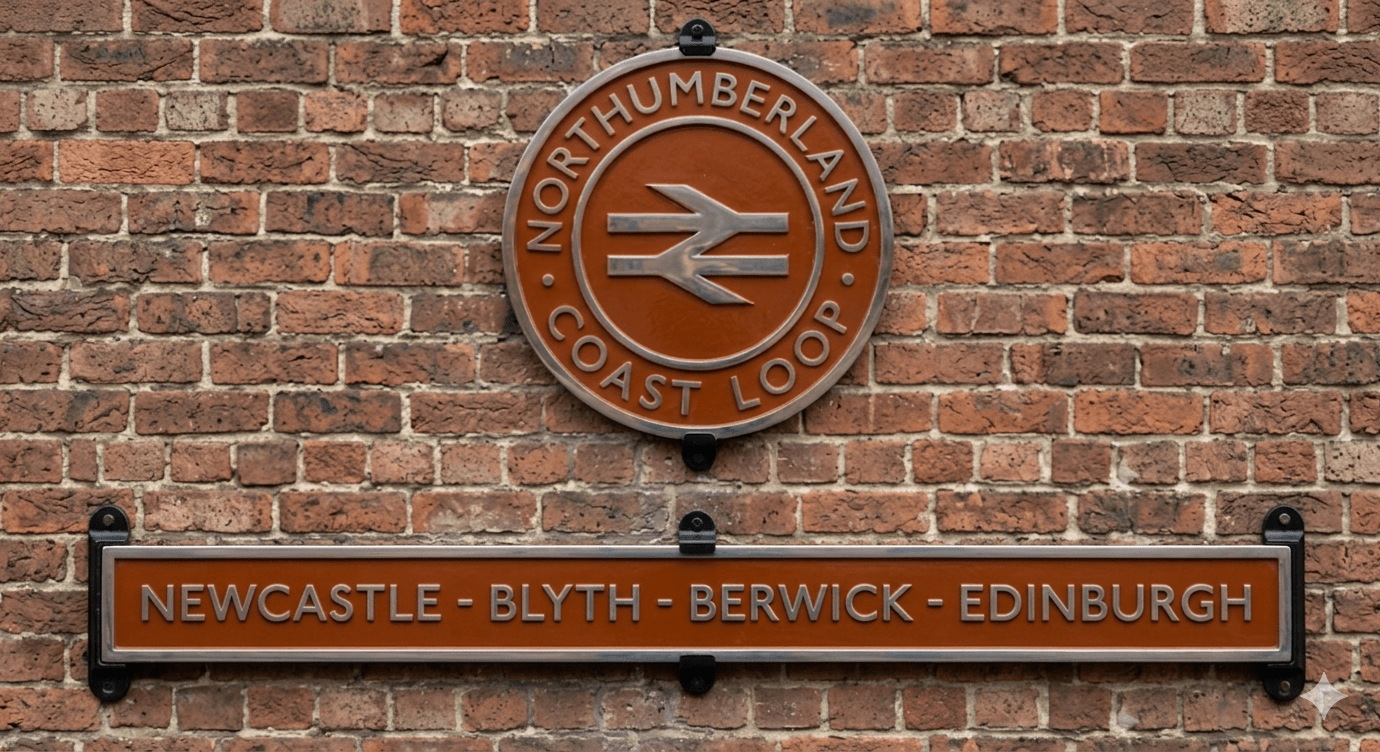
In recent news, it has been revealed that in 2025, around eleven million tourists visited Northumberland, a new record, and the A1 has been stated to be a ‘key problem’, but does this overlook the role the ECML, other rail links and buses could be playing to reduce this key problem and enable more sustainable and safer tourism?
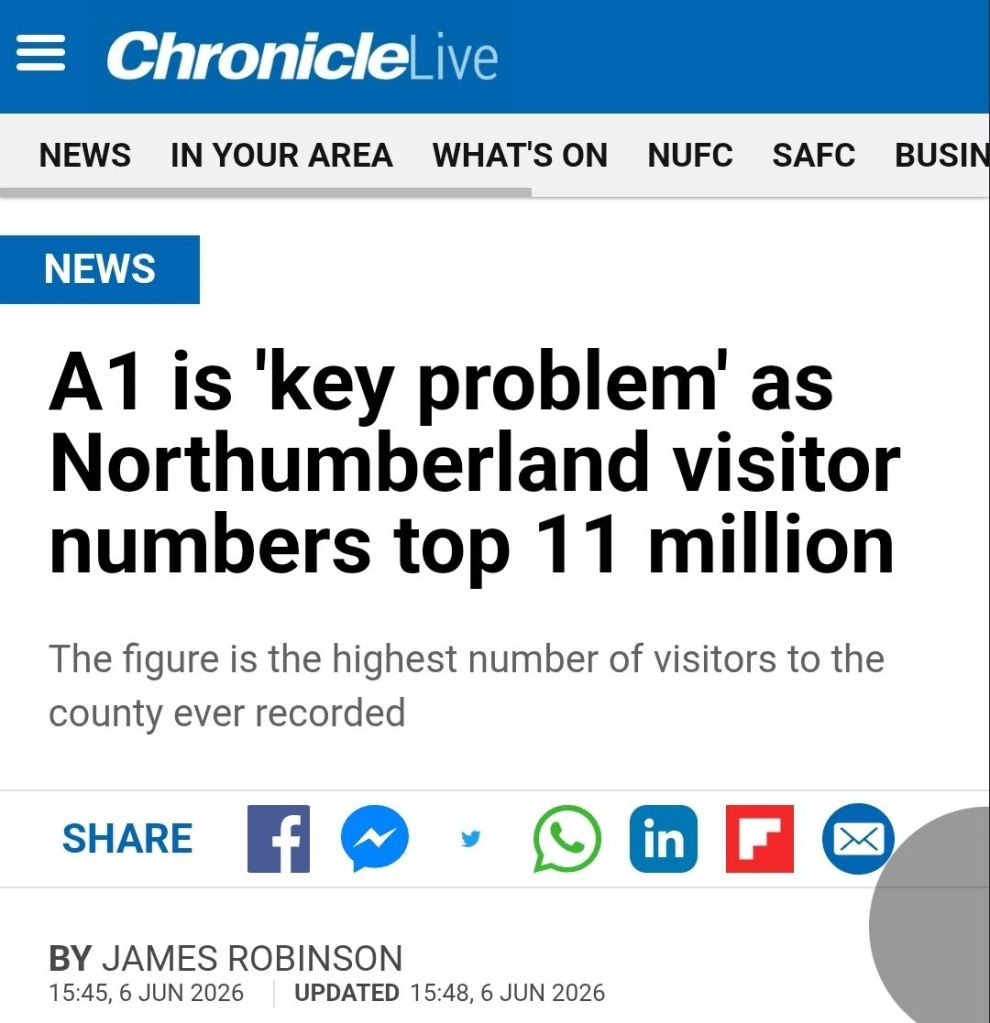
The A1 has recently and very sadly made local headlines for a number of serious and in some cases fatal incidents, some of which only happened days apart.
This has led to many calling for the 2024 decision to cancel the Morpeth – Ellingham scheme to dual the A1 to be revisited and reversed, shortly after the new government took to power and reviewed commitments by the previous government.
Dualling could help to reduce some incidents, particularly head on collisions, but still retain risks from increased traffic volumes (induced demand), as well as higher speeds being involved when collisions do occur. It is also likely that rebuilding current flat junctions into grade separated ones, and reducing the number of local roads joining and leaving the A1 would also reduce collisions, but not totally, as seen recently in an HGV incident at Stannington on an already dualled section of the A1 between Morpeth and Newcastle.
A1 dualling: a double-edged sword?
In short, dualling the A1 is a double edged sword; there may be some safety benefits to doing it, but there will still be a fairly sizeable risk to drivers still remaining on the A1 itself as the risk of collision doesn’t fall to zero, and the potential that risks on other more minor roads would rise from higher traffic volumes.
To quote Cllr Glen Sanderson from the article, he states that; “…increasing traffic on roads that aren’t up to it creates further problems for us. The key problem is the A1, which we know needs significant work to make it safe and allow the traffic to flow.
“We know that often, sections come to an absolute stop. Traffic also takes rat runs through villages and on the A697, which isn’t fit for the level of traffic either.
“The visitor numbers are a great achievement for everyone involved, but it does make it obvious for all to see that you can’t attract the level of visitors we are without looking at the infrastructure.”
The issue is that if the A1 is upgraded, and traffic volumes increase as would be expected from induced demand, it places ‘…increasing traffic on roads that aren’t up to it…’; the A1 isn’t the only road in Northumberland that struggles to cope with traffic volumes, and many of the rural roads from the A1 to coastal places are almost certainly not up to it as they currently stand, with a number of accident hotspots on these routes too.
Then there is the impact of car based tourism itself to consider; towns like Seahouses, Bamburgh, and others see benefits from tourism, but the huge volumes of cars being driven into idyllic small villages and parked has caused many issues, Craster being a particularly acute example in recent years.
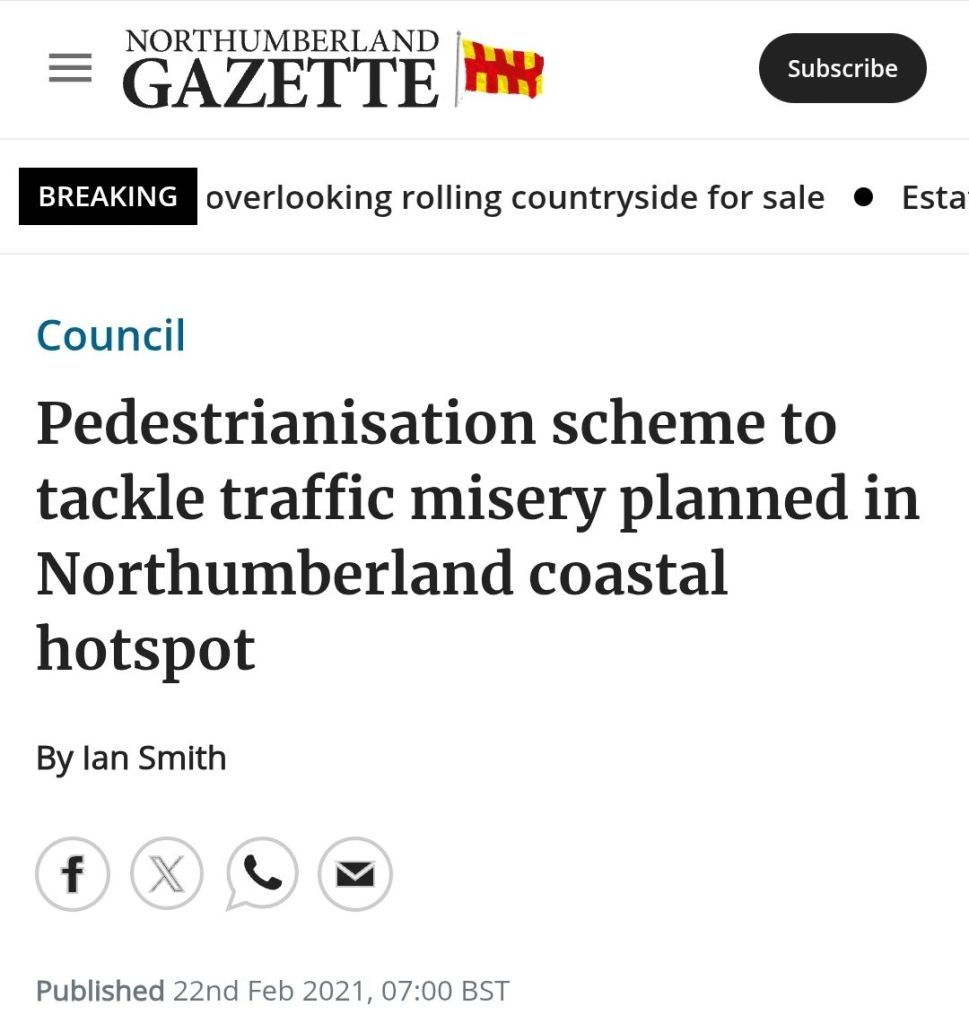
The estimated cost for dualling and upgrading the 13 mile stretch between Morpeth and Ellingham was costed at £500m back in 2024, so is likely going to be significantly higher today, and economic assessments give the scheme a rating of ‘poor value for money’, with a benefit:cost ratio of about 0.8, meaning for every £1 spent, an economic return of just 80p was expected, meaning that it wouldn’t cover its own costs.
With such a huge investment being proposed for revisiting, surely we need follow Cllr Sandersons suggestion but instead look at ALL of the transport infrastructure options, not just the A1 in isolation?
The A1 isn’t needed for EVERY visit.
One statement in the above article is somewhat blinkered in some respects by stating that ‘The Northumberland Coast is arguably the main tourist draw in the county, thanks to its stunning beaches, pretty villages and iconic castles. However, popular destinations such as Warkworth, Druridge Bay, Beadnell and Bamburgh all require use of the A1 to visit.‘
You don’t actually need to use the A1 to visit any of these places; especially for the first two, even when driving.
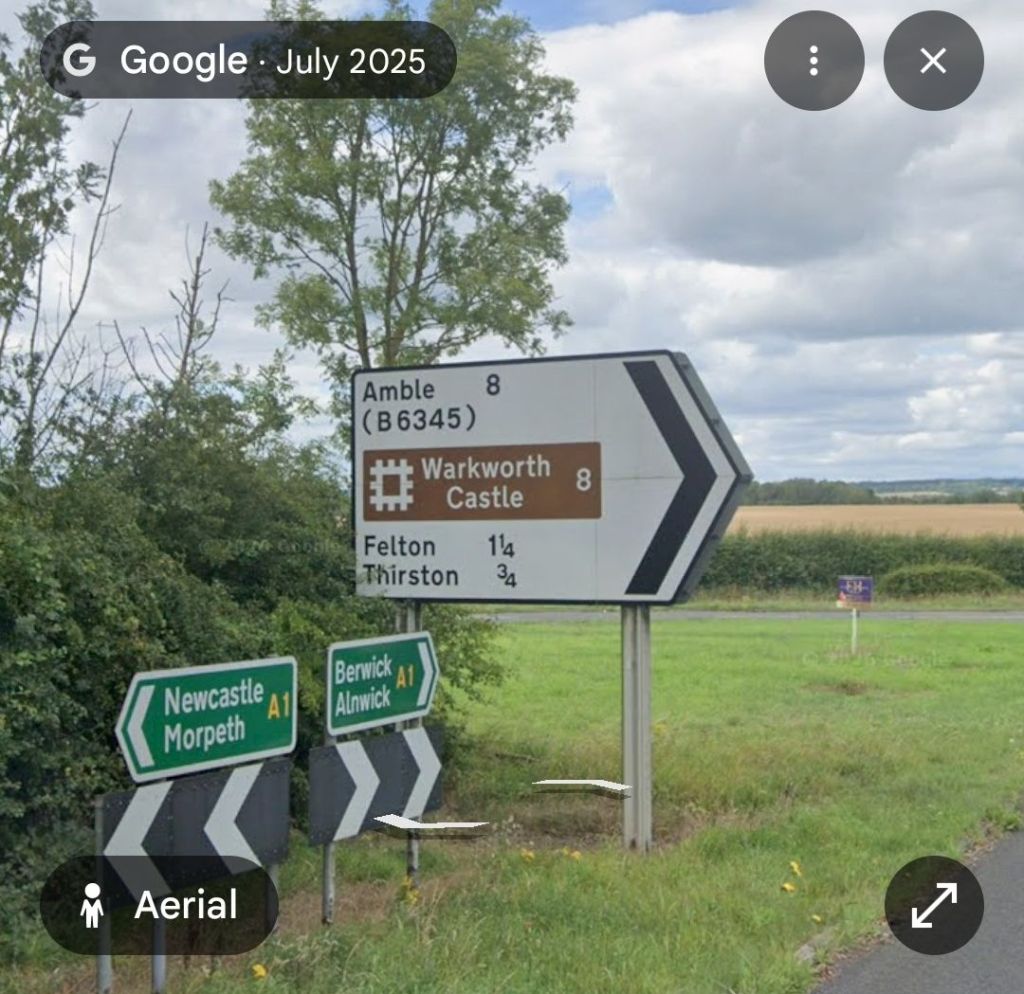
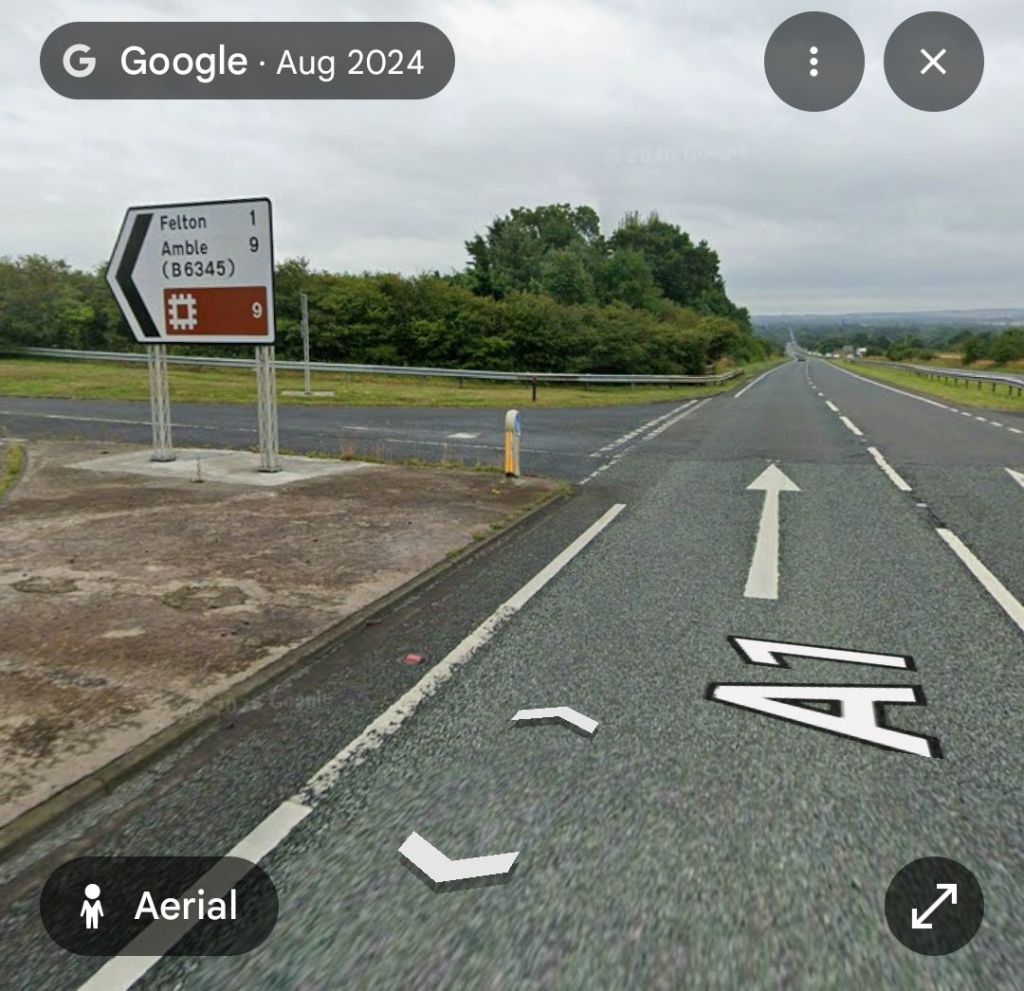
Warkworth Castle, as a central location in Warkworth is actually 7.2km/4.5mi from the A1 at its closest point as the crow flies, and is a much greater distance on the minor roads from the A1 near Felton, showing as 8miles from the southern junction on the single carriageway, and 9 from the northern one.
Using Google Maps, the most fuel efficient route from Newcastle Upon Tyne by car is suggest as actually using the A189 Spine Road, then the A1068 to reach Warkworth.
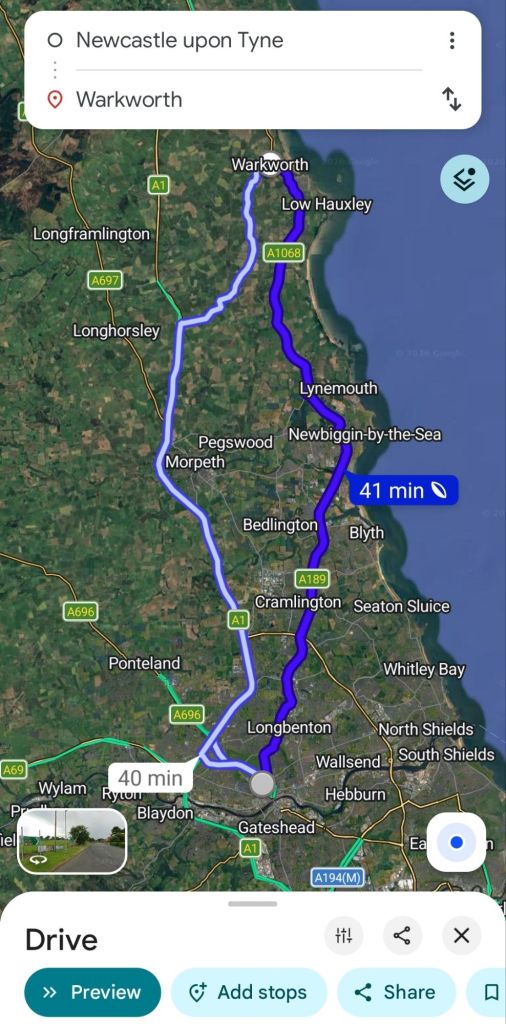
It is a similar story for Druridge Bay, even further from the A1 and south east of Warkworth, with the suggested route being again via the A189 and A1068.
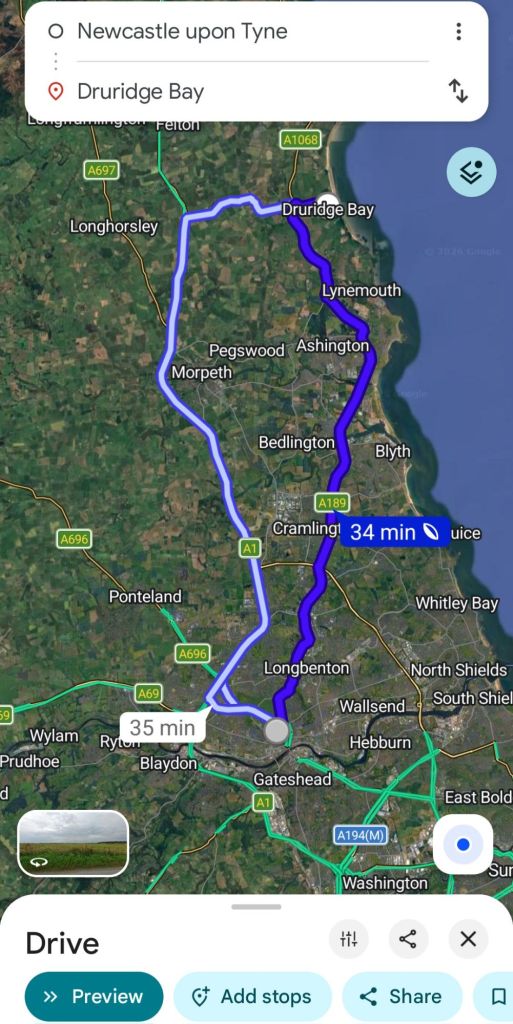
For someone living in or visiting Alnwick, again the route to Warkworth Castle or Drurudge Bay would be largely on the A1068, again not an inch of the A1, but the A1068 is a route with its own issues regarding heavy traffic, and more car based tourism will only exacerbate those issues further, but proves that the A1 is just one of many possible routes, and also highlights that safety improvements and upgrades to the road network away from the A1 are also needed.
Rail and bus: a great opportunity for Northumberland? Safer travel by public transport a part of the A1 solution?
Given the sheer size of Northumberland as a county, coupled with the somewhat pedestrian pace of some long distance bus services, and the fast, but geographically limited rail network, Northumberland realistically needs to have a properly integrated public transport system between both modes.
The places where trains can reach will aways be fairly limited as many former branchlines may not be viable to reopen (i.e. The Wannie Line to Rothbury and Bellingham, or the Cornhill Line to Wooler and Coldstream). Even some stations on surviving lines may prove not to be viable to reopen either (for example Warkworth station would be between Alnmouth station and the currently very underused Acklington station), but better rail services to surviving stations, or ones strategically reopened, combined with integrated buses could be great opportunity to open up a viable alternative to driving.
This isn’t just for people who are looking at doing things more sustainably as important as that is; rail is the safest mode of land transport available in Northumberland, the last passenger train crash to involve passenger fatalities was the 1969 derailment at Morpeth, in the 57 years since, there have been zero rail passenger fatalities to the bsst of my knowledge.
The Northumberland A1 Safety Alliance, recently launched, has a slogan saying ‘because every journey should end at home‘, so surely modal shift away from driving could become part of making the road safer by reducing car traffic overall, and people instead travelling on much safer rail and bus services?


Shifting more people by bus and rail has numerous advantages over just solely fixating on the A1 as the sole transport corridor in this part of Northumberland; it would improve access for those travelling who don’t have access to cars or choose not to drive, which could be due to a number of factors such as:
- Disability (visual impairment, physical impairments, or health issues that prevent driving etc). Some of these may be permanent disabilities, but also some temporary medical limitations on driving such as surgeries or particular medical conditions may only prevent driving for a certain span of time but a viable option to driving allows greater independence and access to work or leisure activities.
- Economic factors such as the prohibitive cost of driving for young people or those on low incomes either learning to drive, or being able to afford to own and run a car.
- Choice not to drive is also important factor, as attending and fully enjoying events where alcohol is consumed, such as a beer festival, whisky distillery tour, or a music festival is a sensible decision compared to the risk of drink driving, even if this would be inadvertent (i.e. morning after).
- Less confident drivers such as older persons, who may be happy to travel a short radius around home, but may not wish to travel longer distances, or use unfamiliar and faster roads.
Building on existing success
The ECML is already a successful rail corridor, carrying many millions of people each year, and major stations like Berwick Upon Tweed, Alnmouth, and Morpeth are each already handling upwards of 300,000 passengers per year, but they could do even more with improved bus connections to act as feeder routes into the stations, a dispersal routes away from them.
For example, buses from my current home in Alnwick are a long way behind meeting the earliest trains leaving Alnmouth in the morning, the first current bus X18 not departing Alnwick until 06:48 and arriving at Alnmouth for 07:12; missing around EIGHT rail services departing between 05:53 and 07:13, and potentially a tight connection for ninth service, the 07:20 towards Edinburgh.
Ideally a bus service should run early enough to meet the first train of the day, as well as late enough to connect with the last services in the evening, with a suitable frequency (possibly as high as half hourly) throughout most of the day.
Such a service has been proposed under the AAA (Alnwick, Alnmouth, and Amble) dedicated bus meets train proposal.
To Warkworth by train and bus
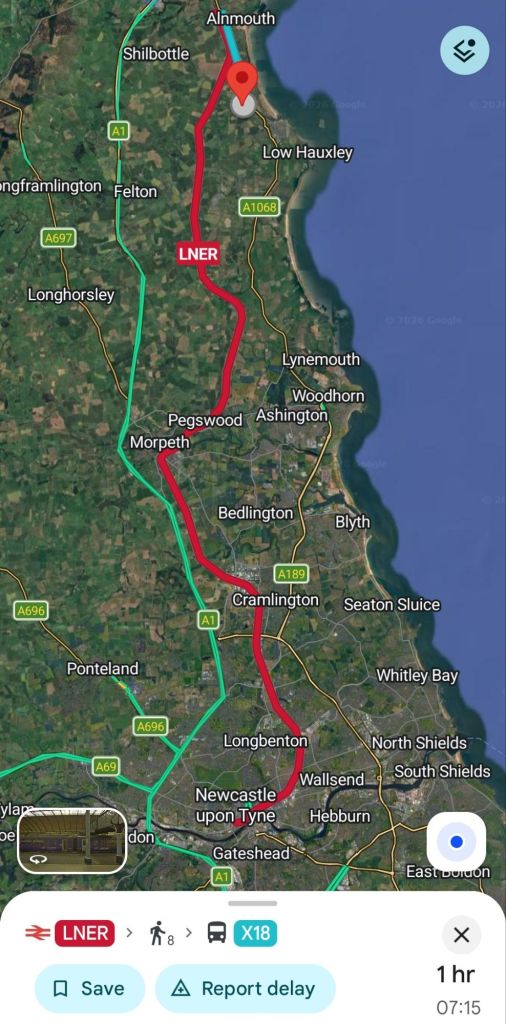
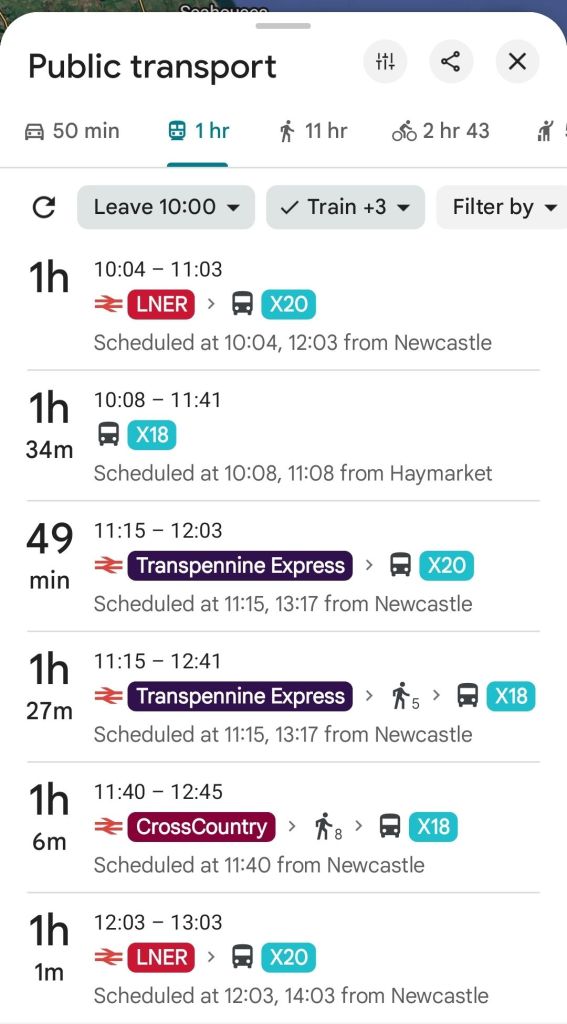
For Warkworth, access by public transport is already fairly decent; with Google Maps again giving a useful suggestion of using the LNER service to Alnmouth, and backtracking by the X18 bus to Warkworth. Journey times are already quite competitive, with many public transport journeys being only slightly longer than driving, and one connection actually being faster (11:15 TPE & X20 bus) at 49 min compared to 50 minutes of driving.
Druridge Bay needs better public transport links
Druridge Bay has similar suggestion of a train to Alnmouth and bus to Hadston, or of buses direct from Haymarket bus station (X18), but both involve a substantial walk as the nearest bus stops are some distance away from Druridge Bay. This maybe could be improved by close placement of bus stops, or the bus route being amended to run closer to the destination.
Chathill Station for Beadnell, Seahouses, and Bamburgh: a £20m asset standing almost idle?
For the two more northern destinations of Beadnell, and Bamburgh, visiting by car from places like Newcastle would involve using the A1 for a realistic journey time, turning off at Denwick, South Charlton, or near Newstead to reach the two villages.
In the course of travelling from the A1 to Beadnell or Bamburgh, crossing over the East Coast Main Line is required, either via a level crossing or a bridge over the line.
One of the places where people may cross the line is at Chathill, which is arguably where one of Northumberlands most poorly used, multi-million pound assets sits quietly most of the day: Chathill Station.
The valuation of being a multi-million pound asset comes from the cost of building a new two platform station on a mainline like the East Coast Main Line (ECML) being around £20m; itself a modest sum set against the proposed £500m to be spent on partially dualling the A1.
That being said, to have an open, and ready to use yet sparsely served station sat almost adjacent to one of the most popular stretches of the Northumberland Coast seems absurd!
Sat at the almost intermediate point between the more well used stations at Alnmouth (for Alnwick and Amble) to the south, and Berwick Upon Tweed in the north, Chathill station could be used much more extensively to serve the coastal area of Northumberland, and is also a great case study in bus/rail integration from the limited service that it already sees, with the Border Buses operated 918 bus, which if the rail service to/from Chathill was improved, the bus could also commensurately also be improved in frequency to maintain this good connection.
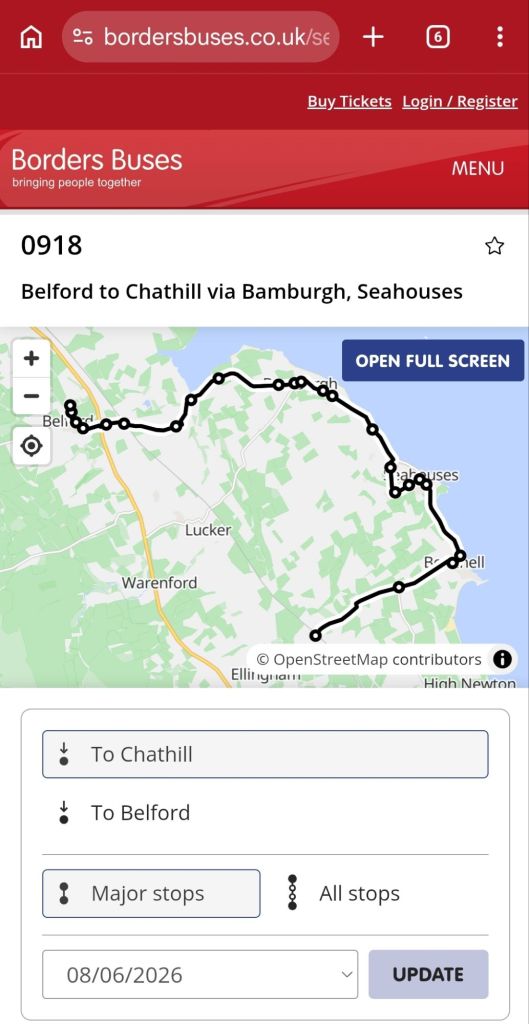
To again borrow from the ‘NASA’ logo; ‘it shouldn’t be rocket science’ to run more rail services then co-ordinate buses together with it to provide a safer alternative to using the A1.
Belford Station: Already identified as a reopening candidate
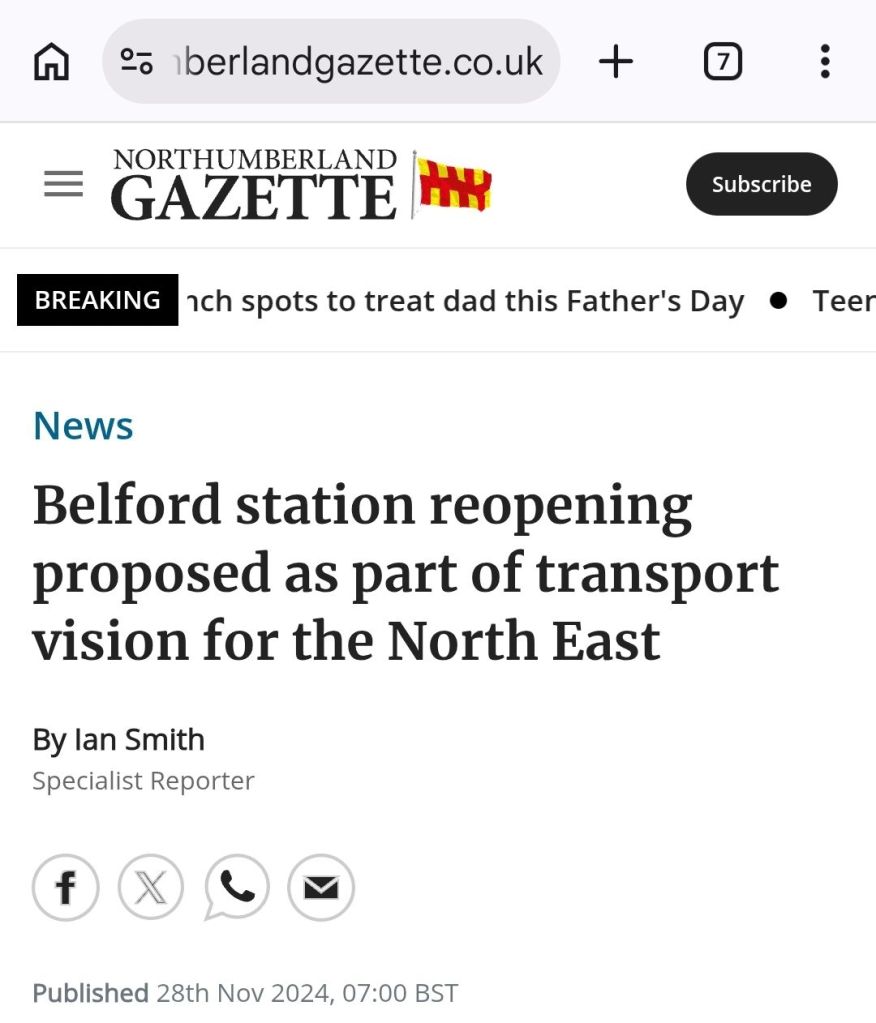
The route of the above 918 bus would also pass the proposed reopening of the railway station at Belford, providing even better connectivity by public transport to the Northumberland Coast.
With a £14m price tag in the above article, it again is a very affordable intervention to simply try and bring forward from the expected 2036 delivery date (a decade away), and in Cllr Renner-Thompsons own words as cited in the article: ‘”Hundreds of thousands of tourists visit north Northumberland each year and a station at Belford would be in the epicentre of the tourist trade.‘
A new station at Belford would still take more time than potentially getting more trains to stop at Chathill, but could be a valuable next step if brought forward by NECA, and again would offer the opportunity to give a viable alternative to the private car.
The Northumberland Coast Loop.
Unfortunately, a quirk of the local transport network is that major towns such as Blyth in Northumberland, which are relatively close to destinations like Warkworth compared to Newcastle actually suffers from far worse public transport links, as can be seen below.
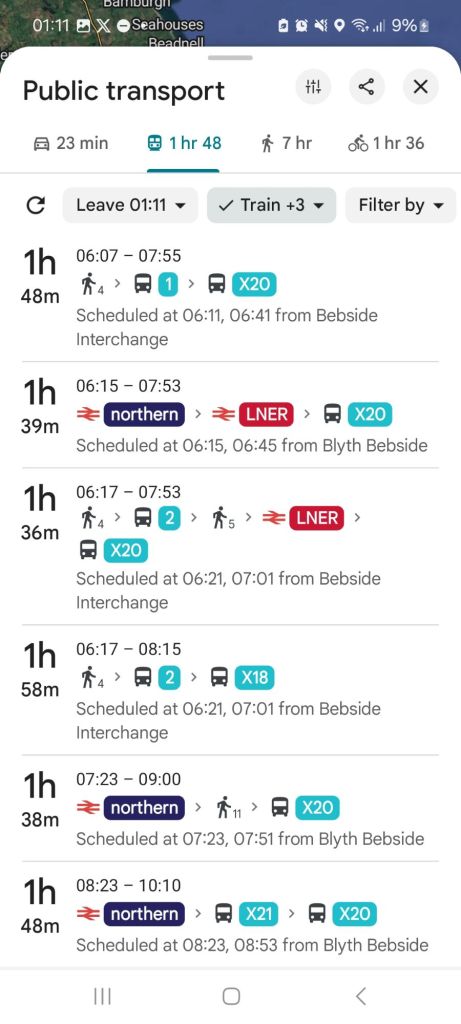
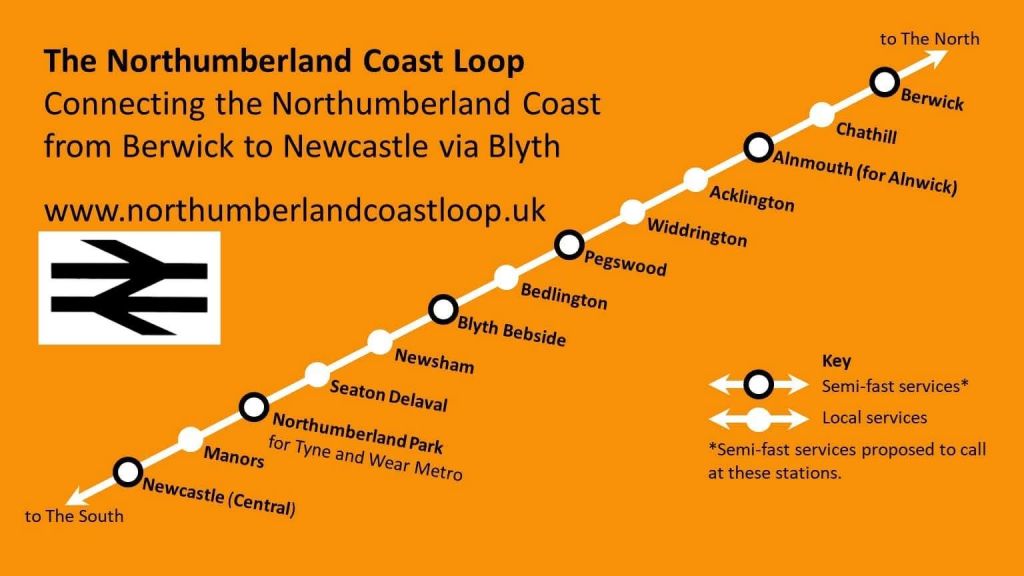
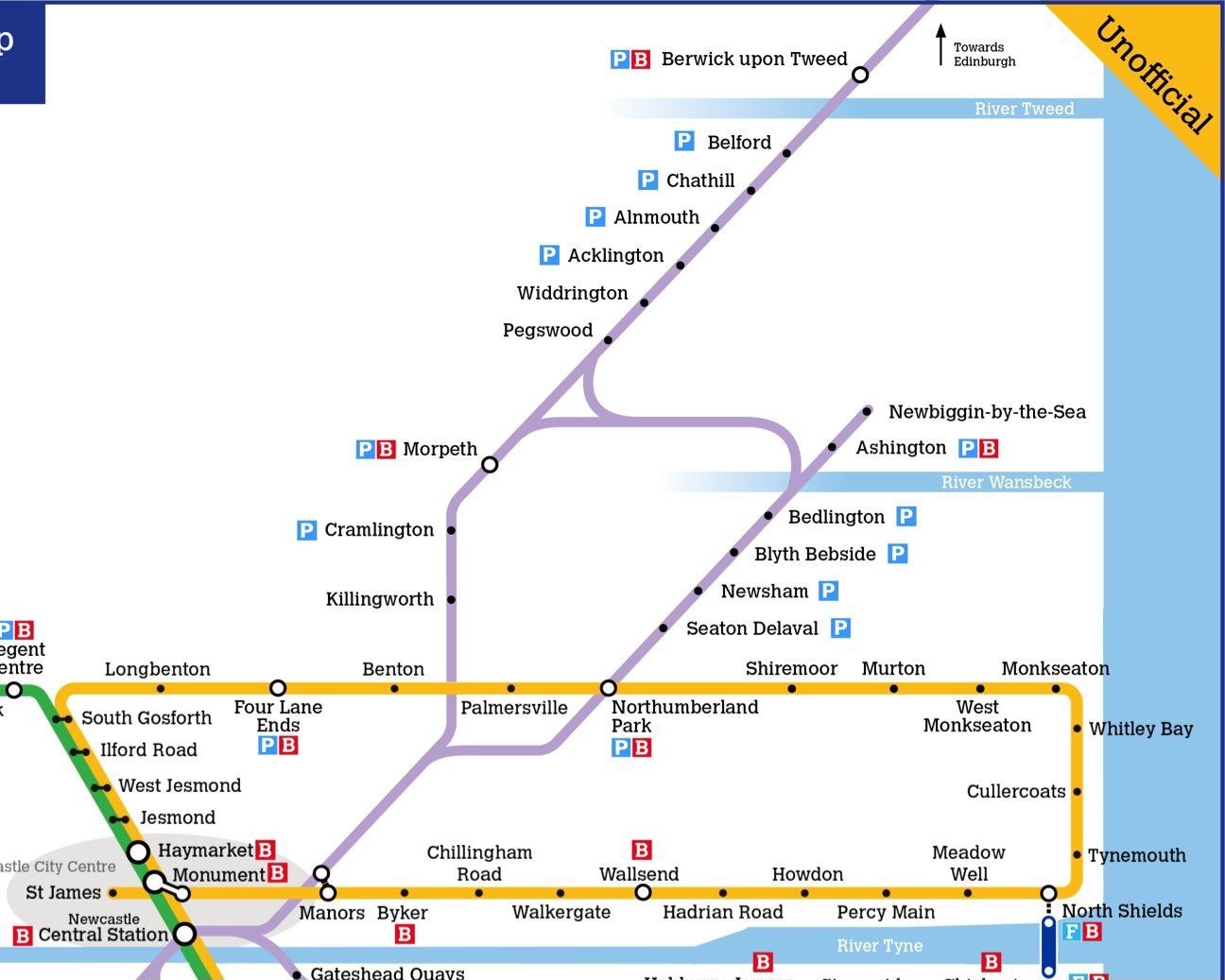
A 23 minute drive from Blyth Bebside station to Warkworth Castle would take at least 1hr 30mins by public transport, but the Northumberland Coast Loop (N.C.L.) could be a solution to this by creating a new direct passenger rail service between Blyth, North Northumberland and Scotland.
If trains were to use the existing and operational link between Bedlington and Pegswood via Hepscott, this rail route could cut around 50 minutes from public transport journey times such as Blyth Bebside to Alnmouth station, again making rail and buses a viable alternative to driving.
Via Hepscott vs via Linton Colliery
Below are some views of the level crossing in Hepscott taken a few days ago, but like Chathill, it is very much an under utilised asset at present, and could be transformative for rail services in Northumberland if the coast loop rail route is taken forward, offering a fast, direct connection to North Northumberland and Scotland.
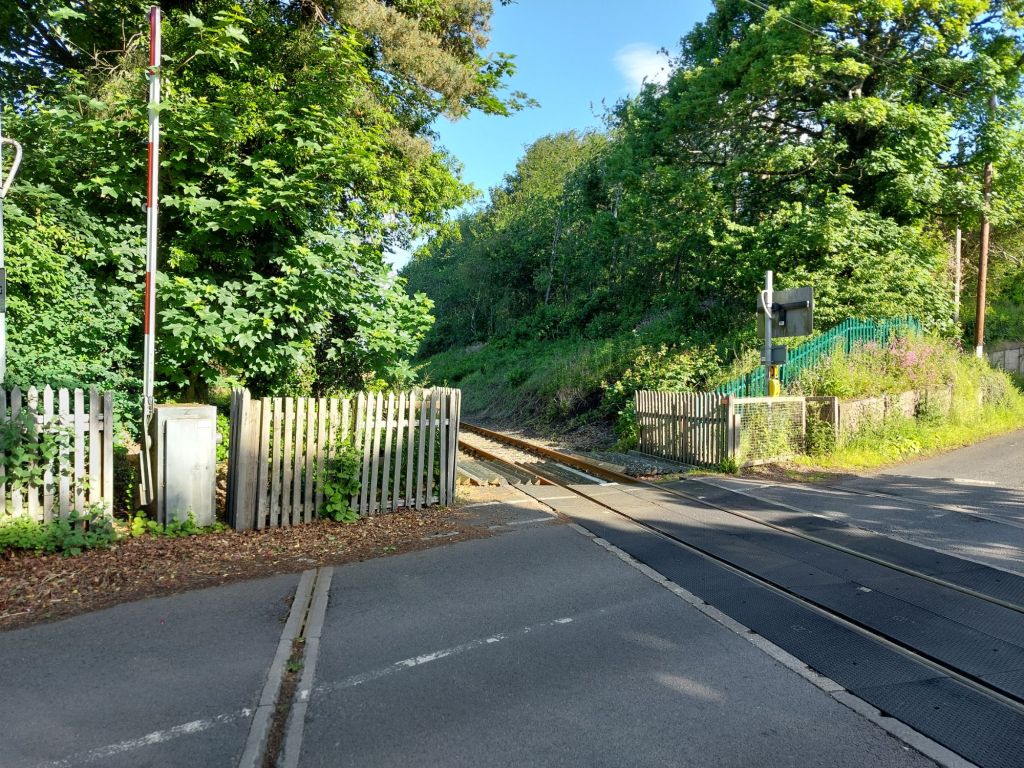
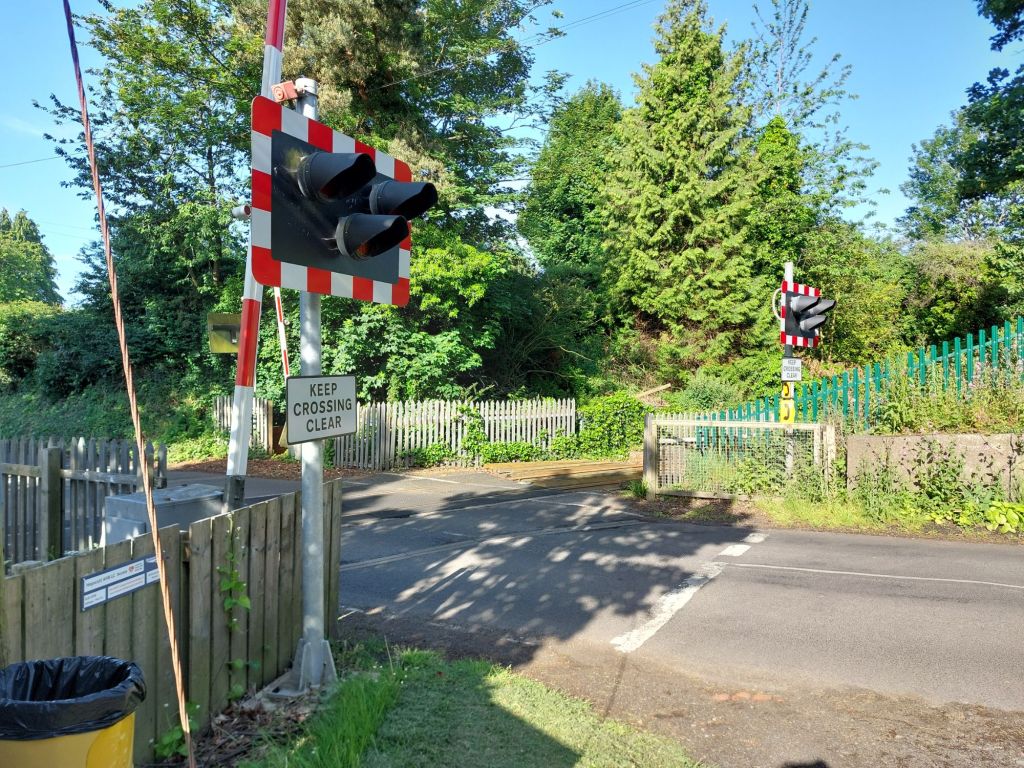
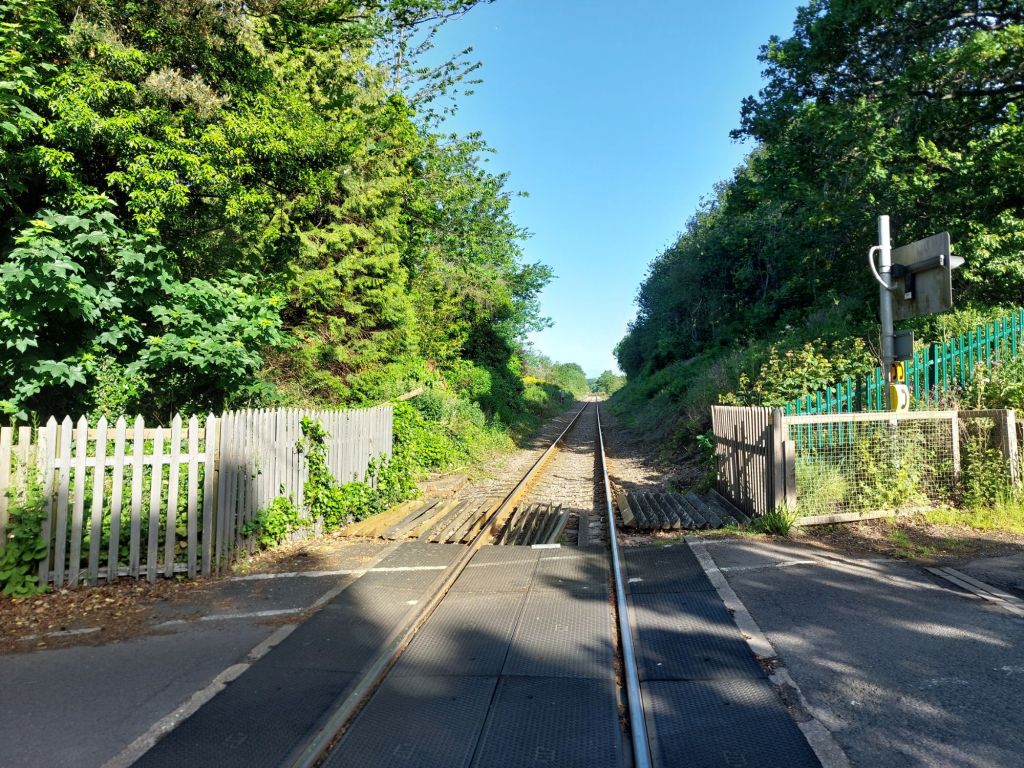
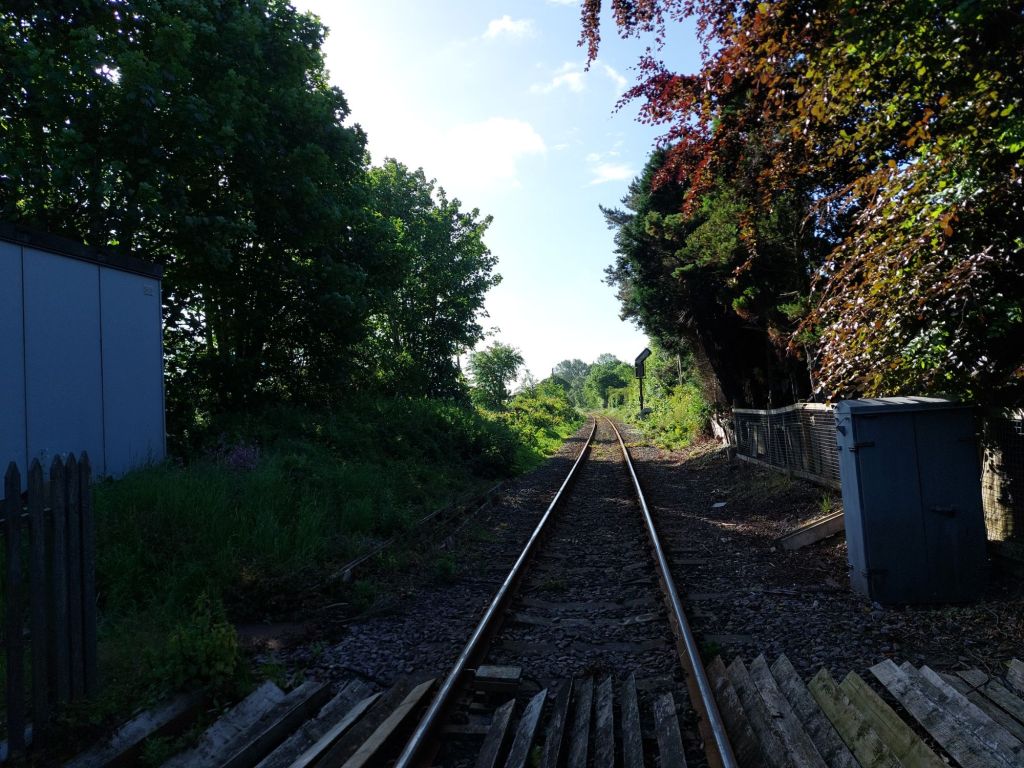
This contrasts well with the former ‘Butterwell Line’, proposed as a similar link by SENRUG which in parts has been derelict for decades, and I took some comparative photographs of the former New Moor level crossing to show the contrast between the two routes; the Butterwell Line is clearly a long way from running a train along the line, and especially considering a new junction would need built with the ECML near to Ulgham.
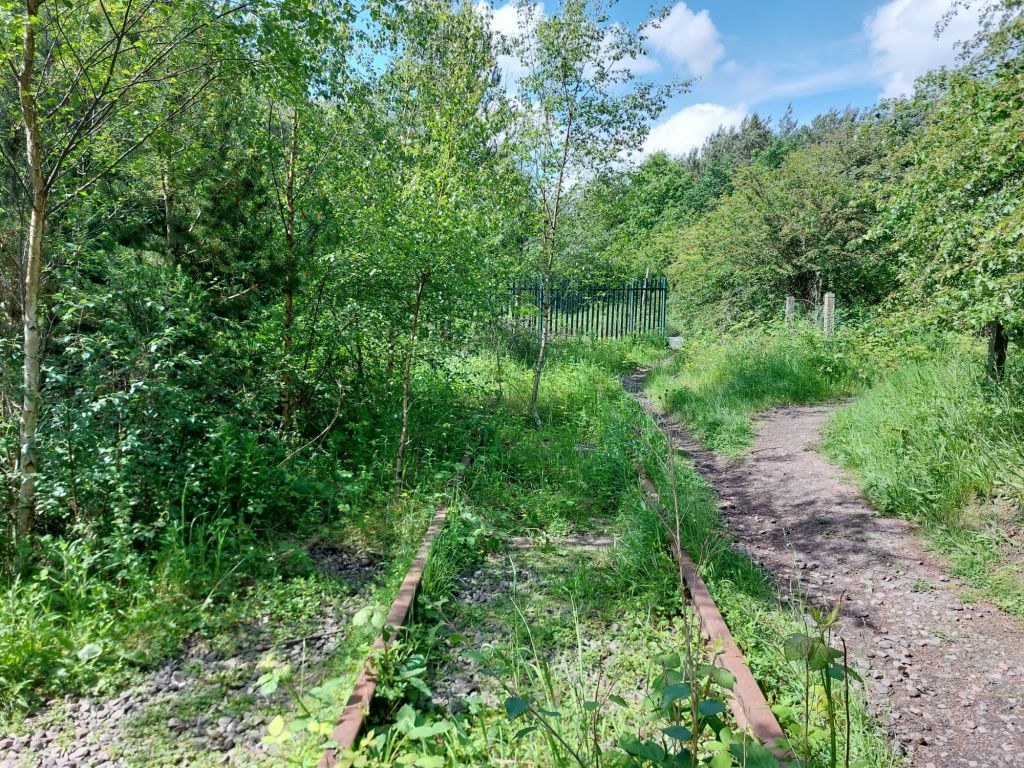
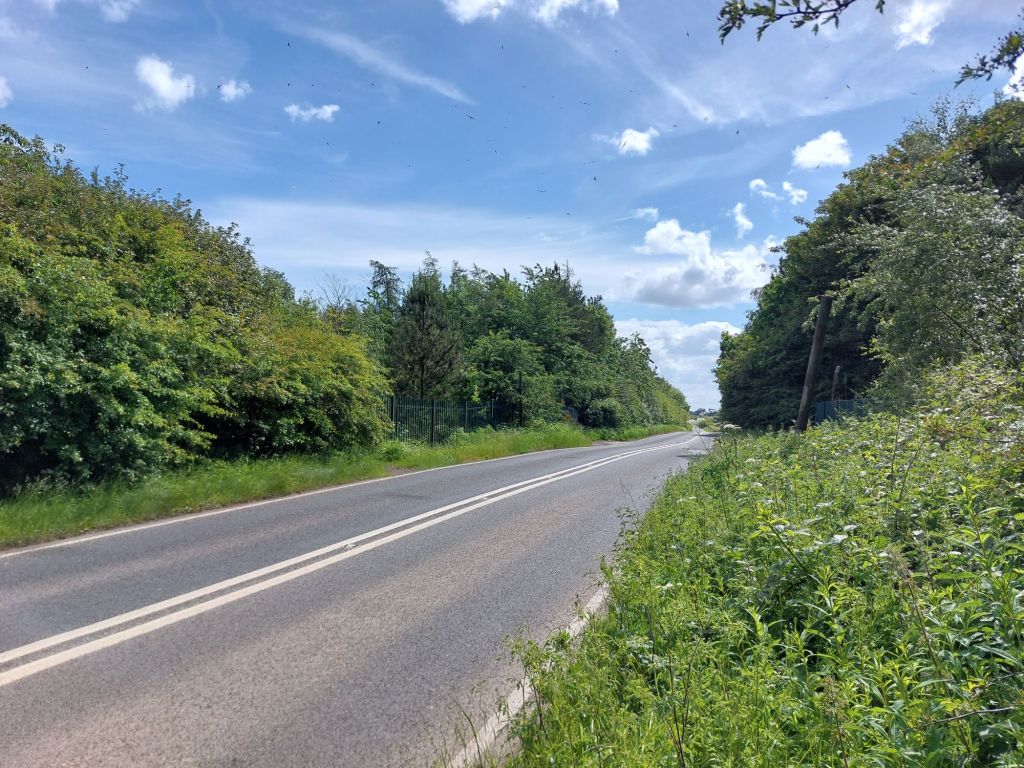
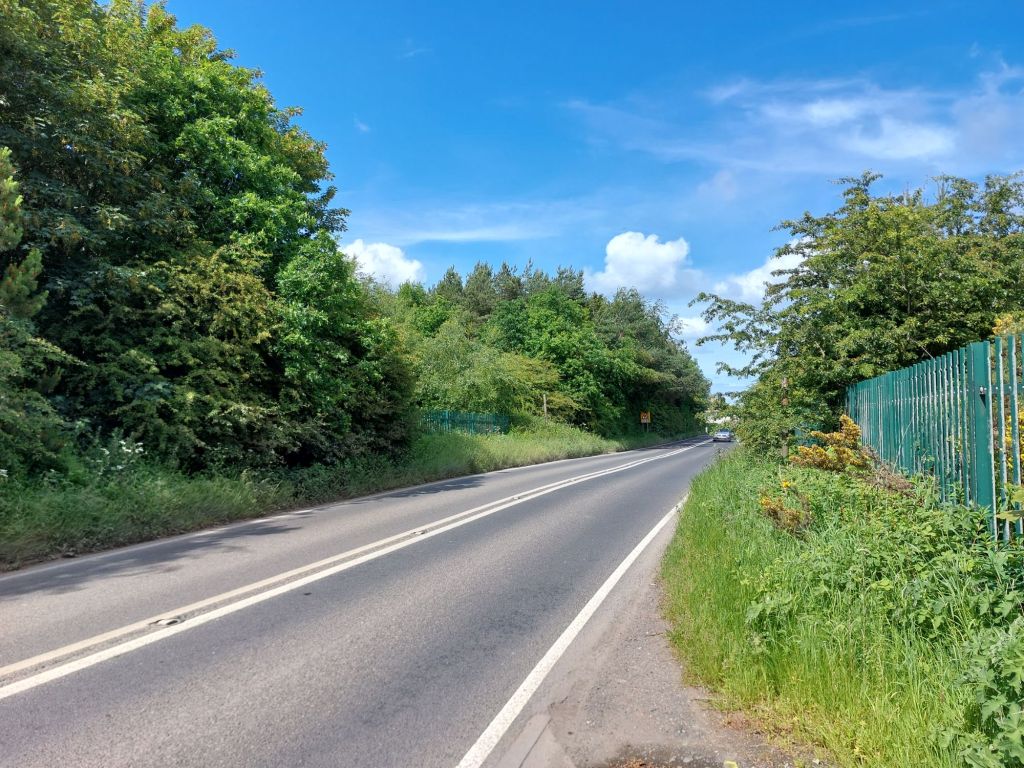
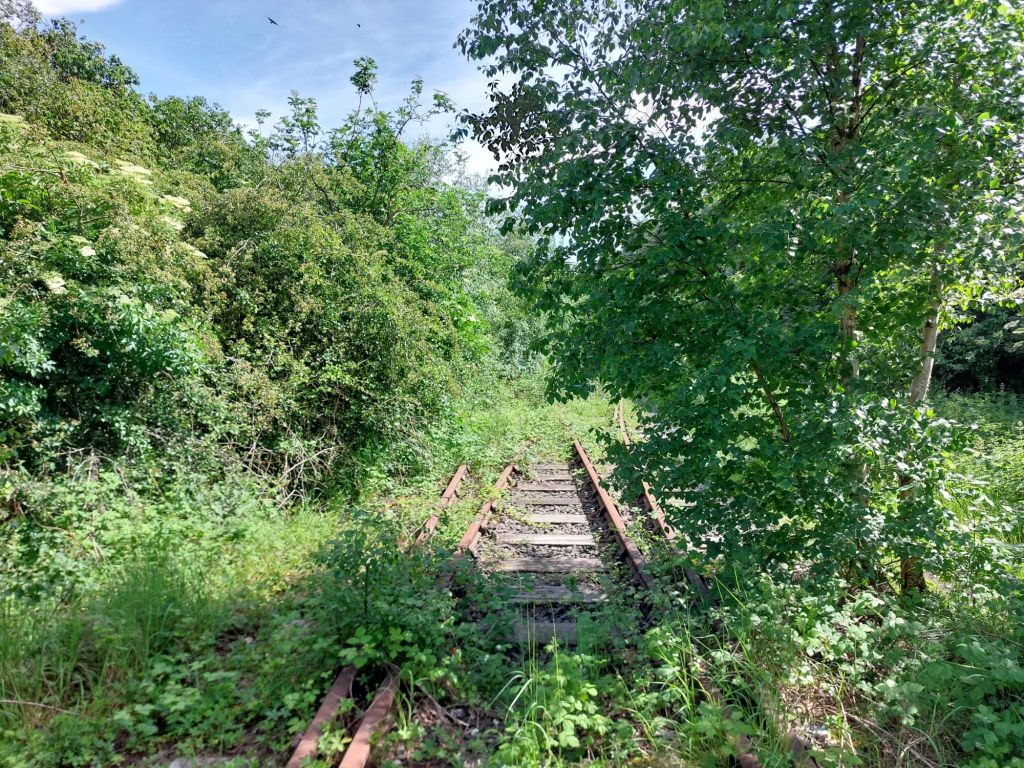
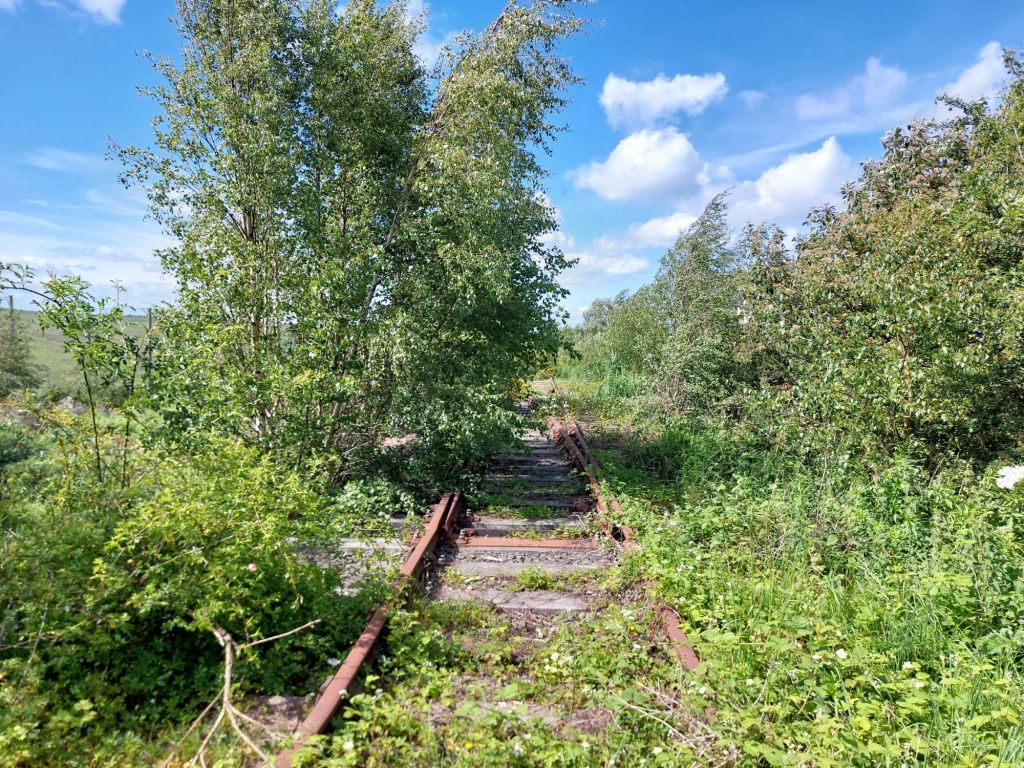
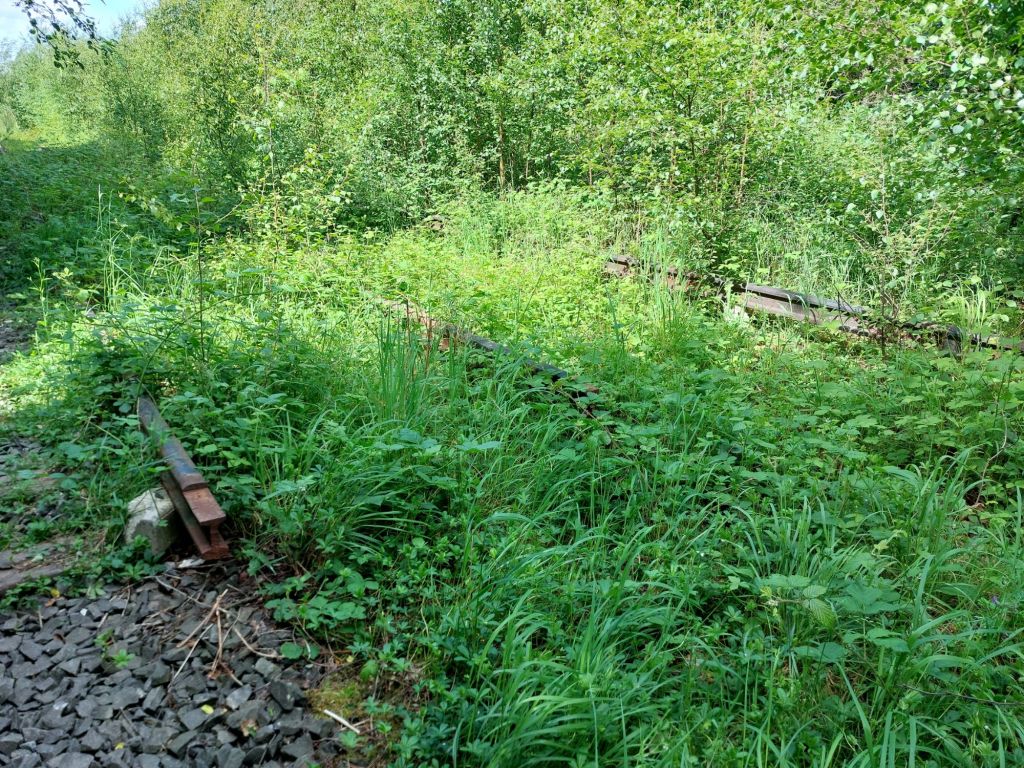
The proposed Northumberland Coast Loop route is identical to that of SENRUG between Newcastle and Bedlington, and Widdrington to Edinburgh, the only exception is the section between Bedlington and Widdrington; the N.C.L. route uses the existing but lightly used route through Hepscott to rejoin the ECML, whilst the SENRUG route is focussed on running along the Northumberland Line to Ashington, then repurposing this derelict industrial branchline to use as a new Ashington to Widdrington link.
The N.C.L. route could, potentially be brought into use very quickly, and for a relatively low price compared to the Butterwell Line, and like other interventions on the rail network, could help to reduce the traffic volumes on the A1 via modal shift; bringing tourists in by train and distributing them by buses from stations, which would boost public transport for residents too.
Conclusion
Rather than a potentially blinkered focus on the A1 and the road network alone, lets hope our politicians and decision makers take a step back to lool holistically at the big picture of transport in Northumberland, and don’t ignore the potential role of public transport in helping move the millions of tourists visiting our county.
 The Northumberland Coast Loop