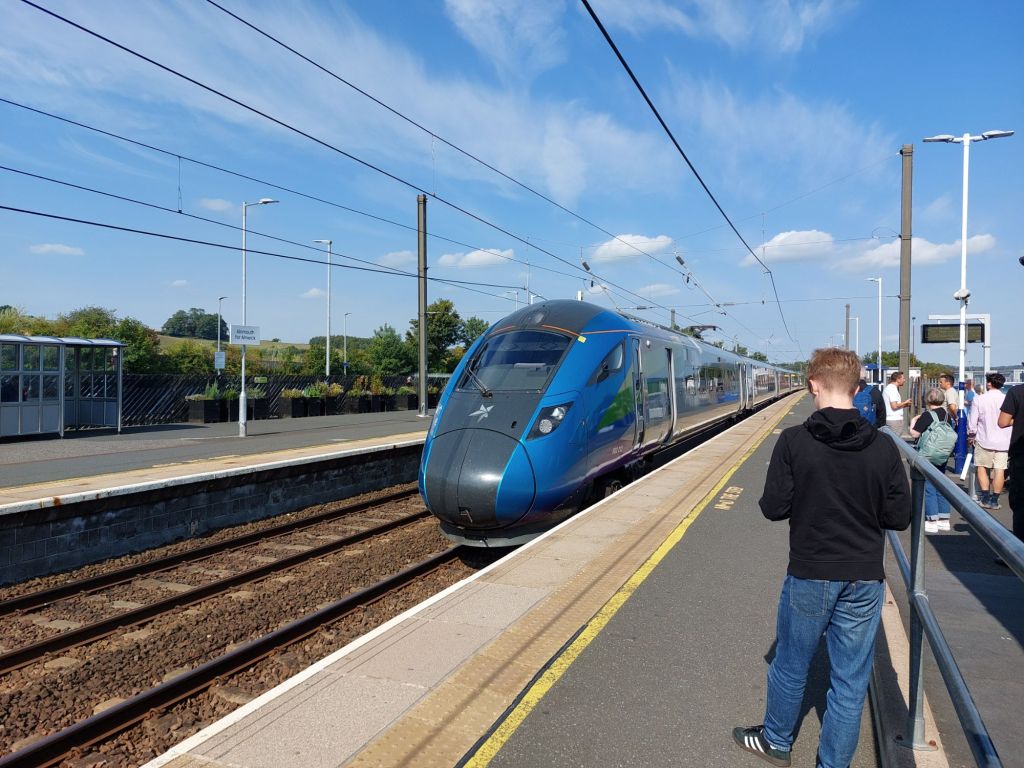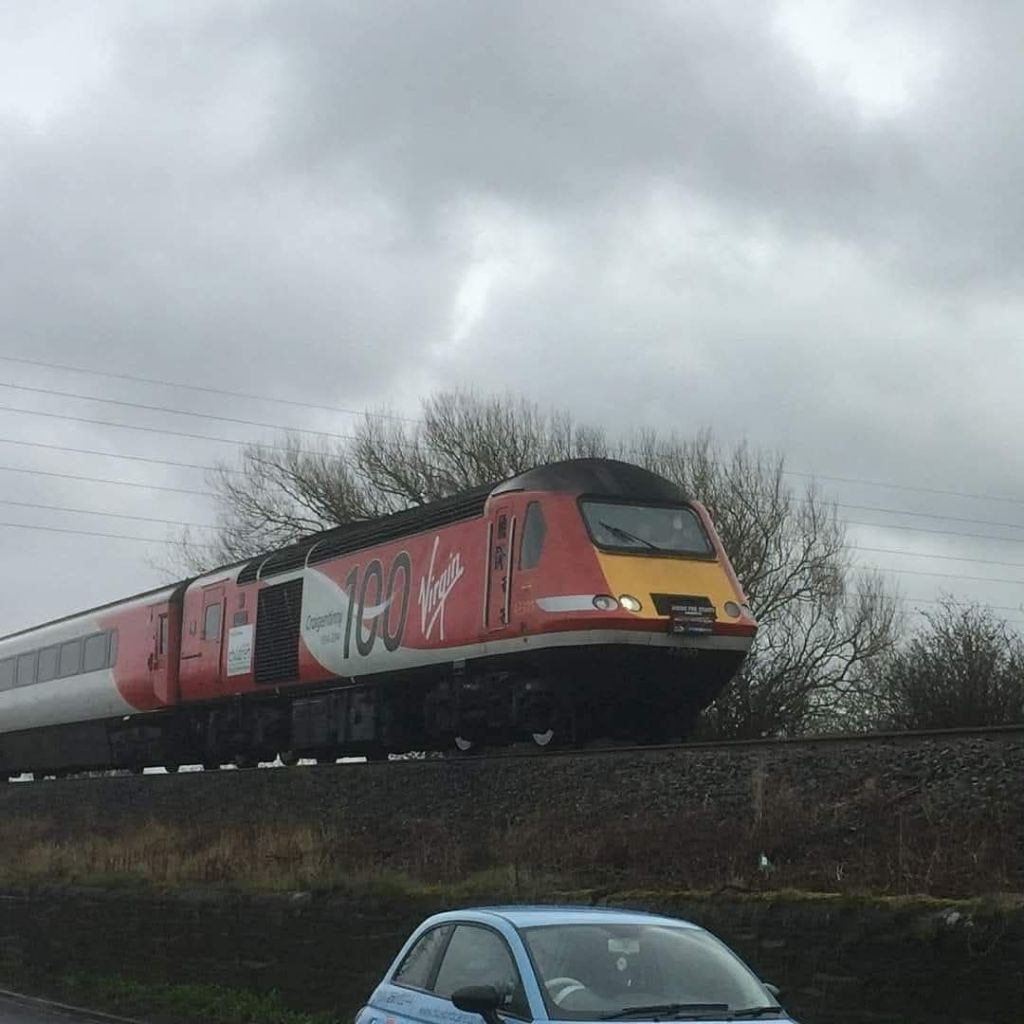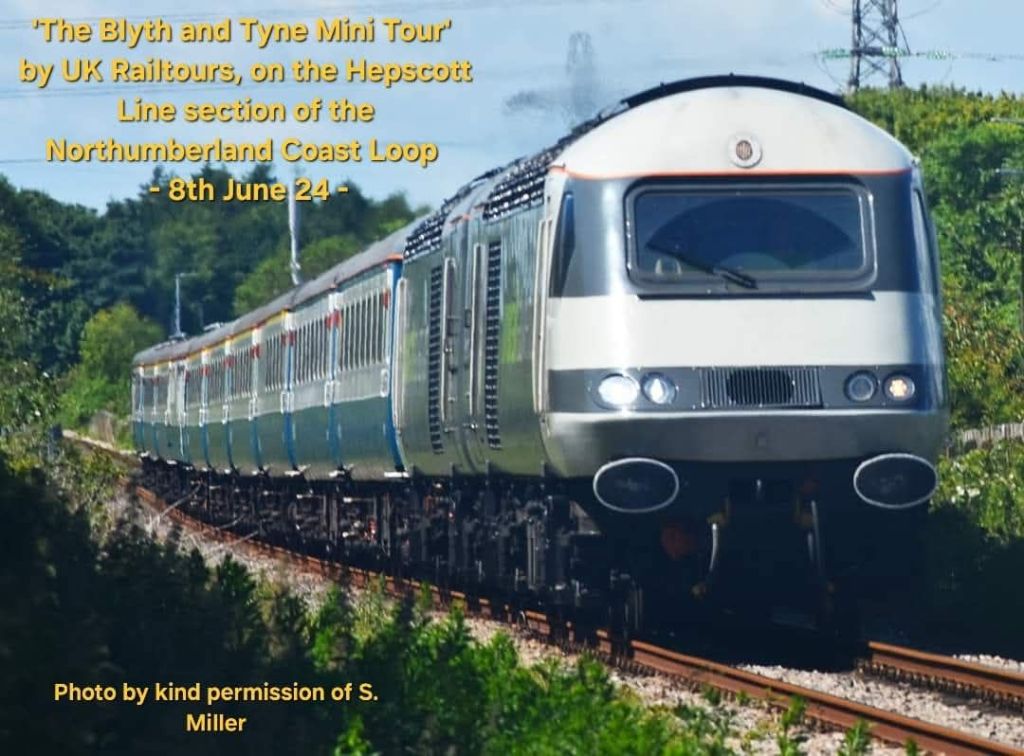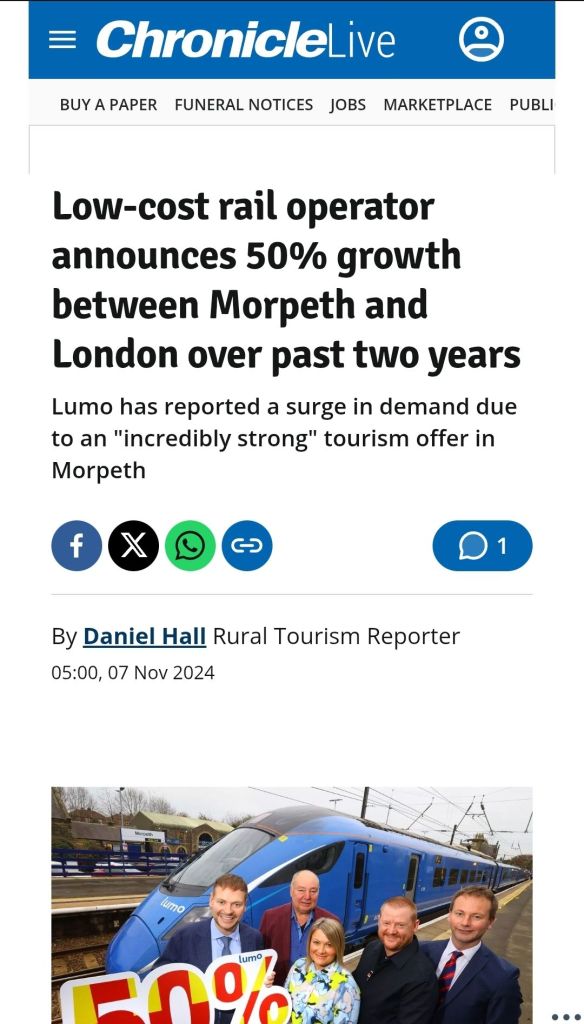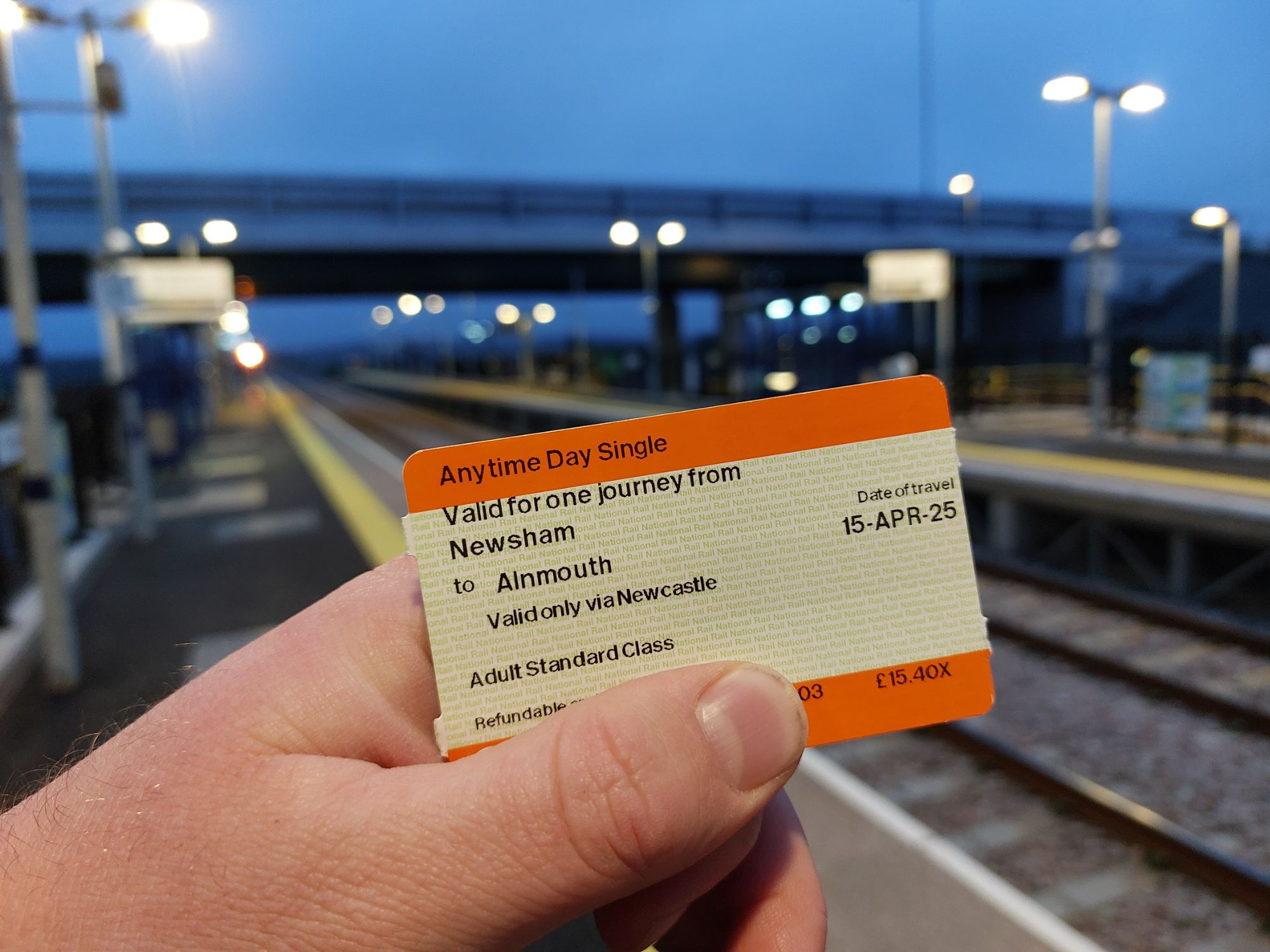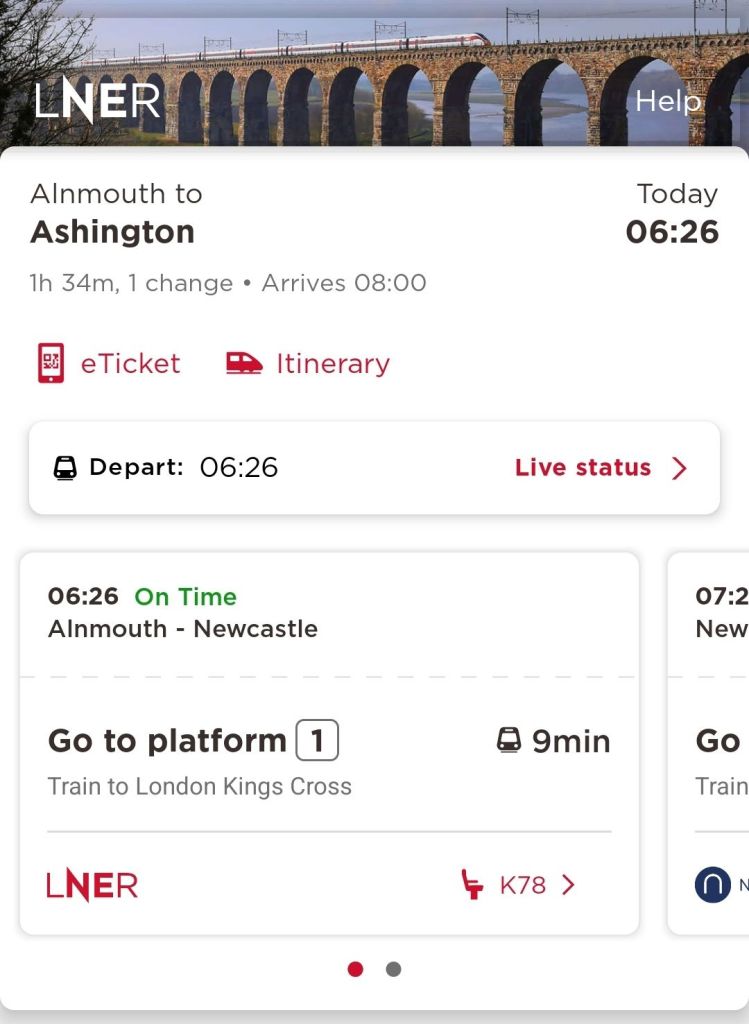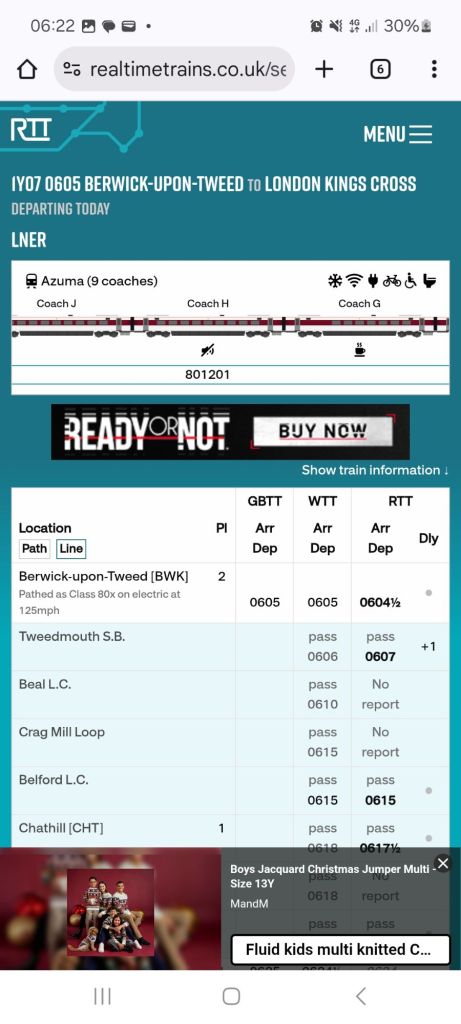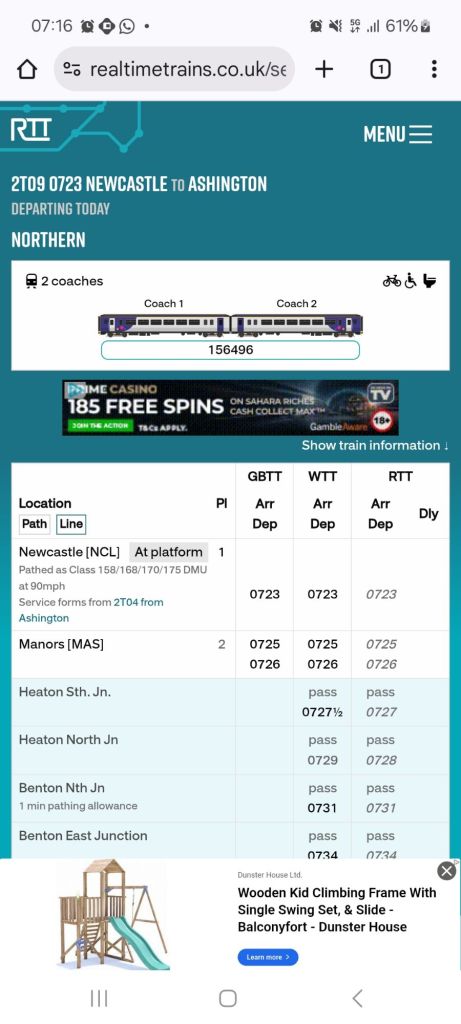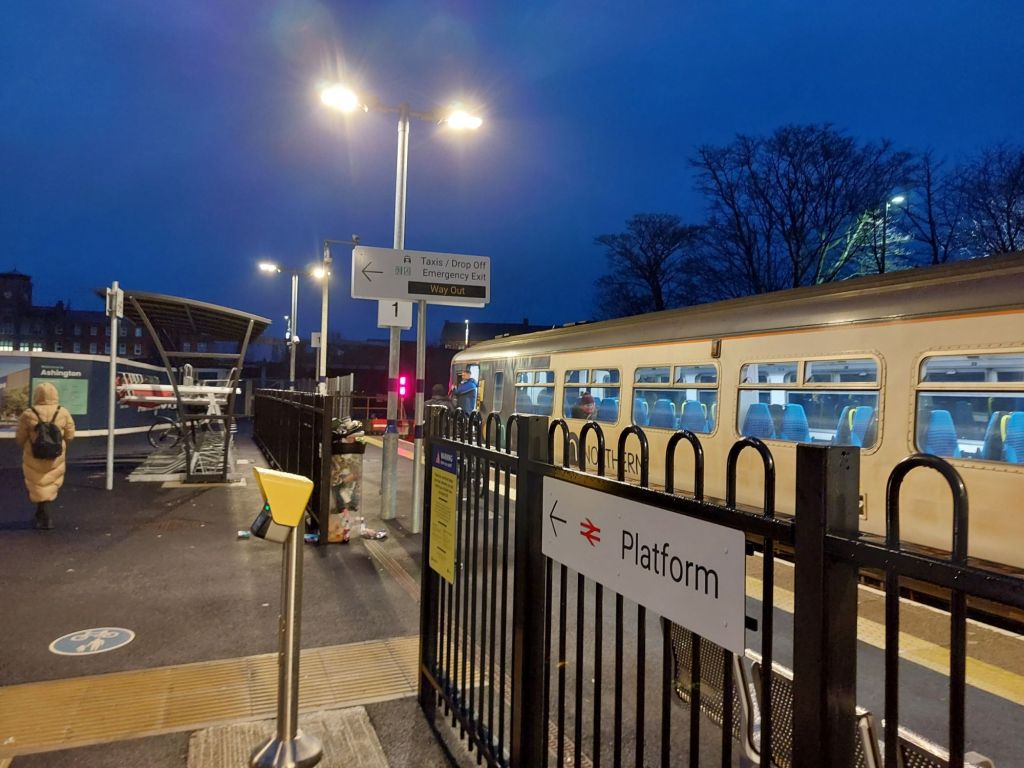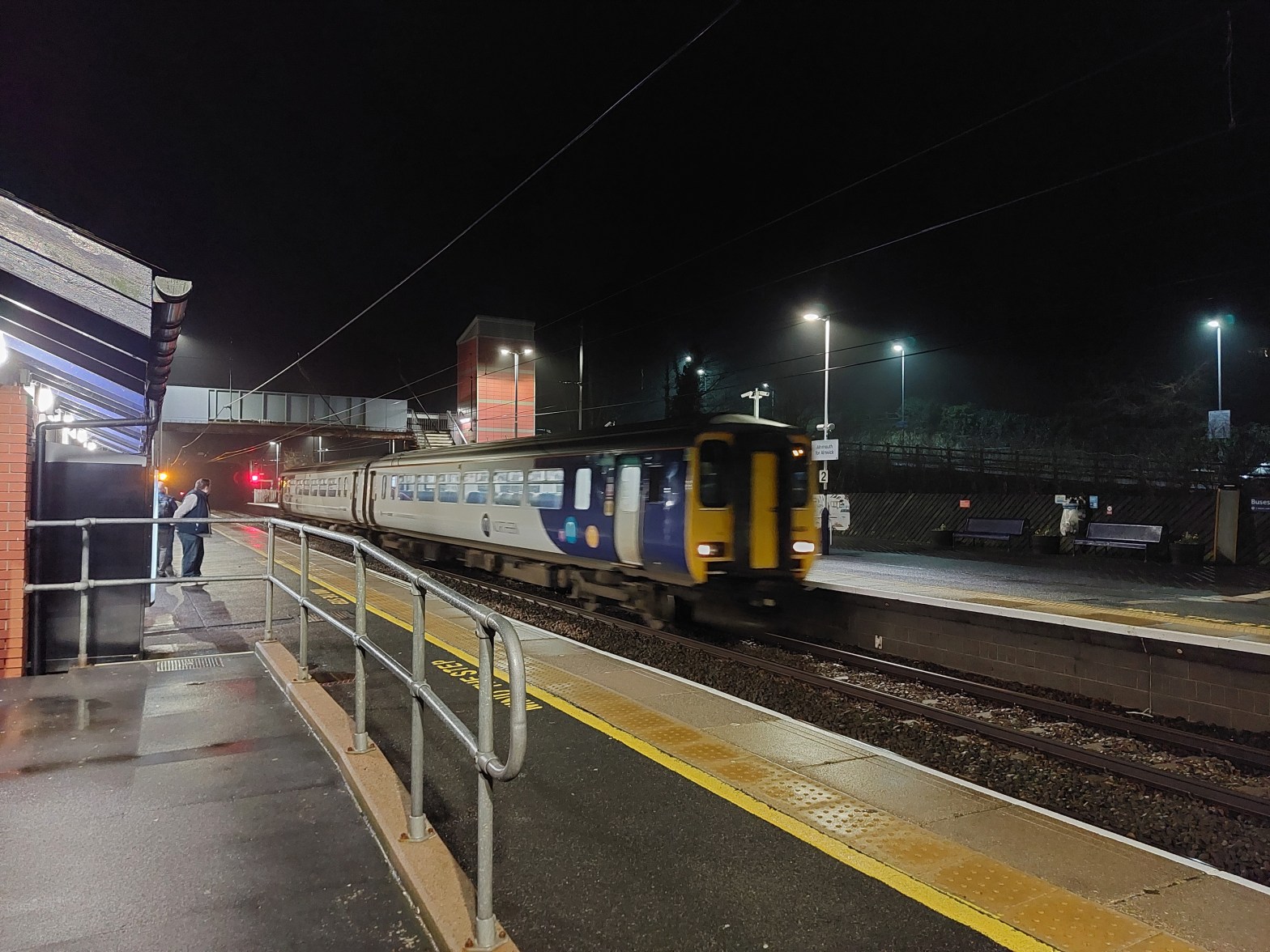
The Northumberland Coast Loop petition reached the milestone of 1000 signatures earlier tonight (approx 18:00 when I briefly looked while at Disney on Ice at the Utilita Arena in Newcastle), but by 21:50 when I arrived home it had thundered on to a thousand and six!
1000 signatures at around 6pm on Saturday 22nd November 2025Visit to Disney on Ice with the family, an excellent show tonight!1006 signatures on arrival home
Thank you to everyone who has signed the petition so far, and helped us achieve this landmark, but the petition and the campaign will keep rolling until trains start running over the proposed route; so if you haven’t signed it yet, please pop your name down here: https://c.org/wbhpn9ffpJ
Thanks again to all of you who’ve taken the time to give your support to the campaign and how fitting to have blasted past this landmark before the first anniversary of the Northumberland Line on 15th November 2025!
Amazing progress on our Northumberland Coast Loop petition today, with just two signatures to go until it reaches 1000 signatures in total!
If you’d like to join the other 998 people who’ve signed it so far, please click this link and follow the instructions! Thank you to all who’ve signed so far and hopefully we’ll reach this next landmark very soon!
Massive thanks to all who’ve signed it already, as well as those who’ve contributed to a promotion too!
Please share this blog post on your social media feeds, or send directly to friends and family if you support direct trains between SE Northumberland & North Tyneside to North Northumberland and Scotland.
The past week has had a number of significant news announcements, and with a number of links between them, it is perhaps the right time to address them together.
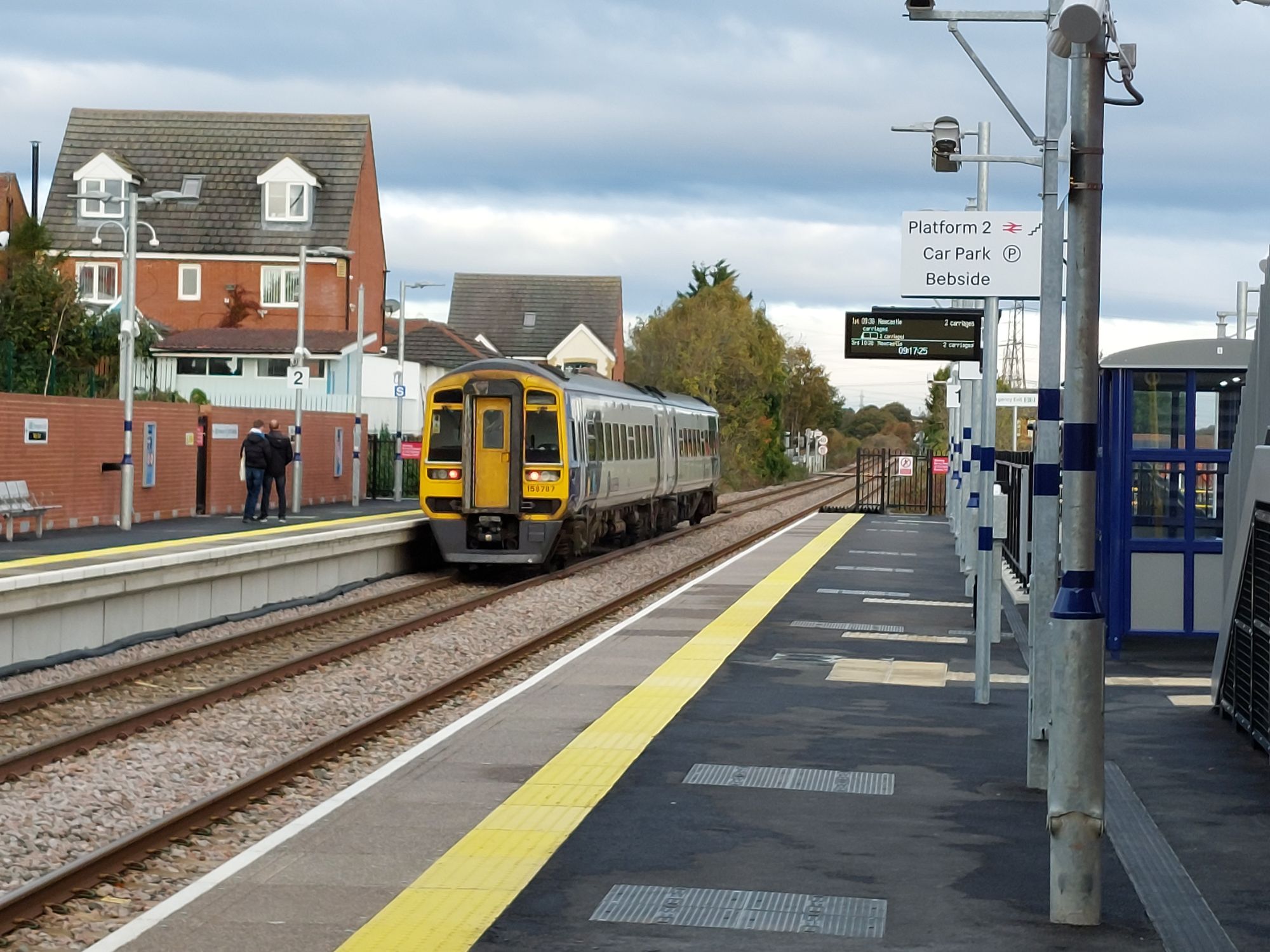
Blyth Bebside station is blossoming; and is boosting overall numbers for the Northumberland Line towards a million passengers!
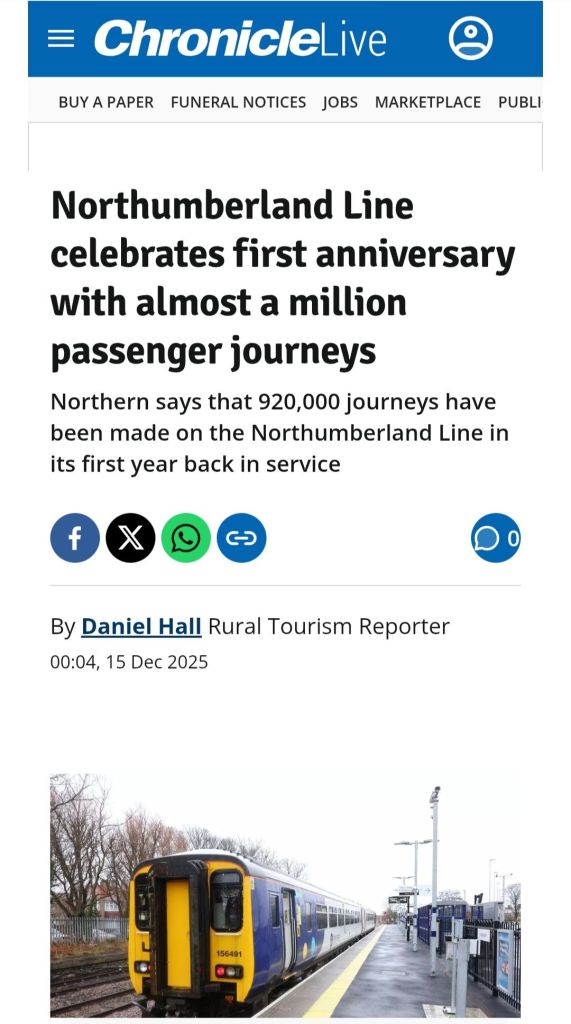
There has been more great news on the Northumberland Line in recent days, with Northern putting out the one month anniversary post for Blyth Bebside station, which opened to passengers on 19th October 2025, and so far has seen a phenomenal 12,000 passengers using the station!
In the same post, the Northumberland Line as a whole has seen over 800,000 passengers since it opened on the 15th December 2025, and could well be looking at 900,000 to one million passengers by the first anniversary of the line on 15th December 2025, it having opened with just two stations on Sunday 15th December 2024.
Northern Facebook post from Wednesday 20th November
The two stations left to open at Bedlington, and Northumberland Park have not yet had an official opening date announced, but like the other stations are likely to prove equally busy, and perhaps especially for Northumberland Park, as an interchange with the Tyne and Wear Metro, could give a massive increase in passenger numbers for people travelling to and from North Tyneside via Northumberland Park.
Hopefully these remaining stations will be opened early in 2026 (now unlikely to open before the New Year), and mark the completion of the first phase of the Northumberland Line.
All in all, the Northumberland Line is continuing to exceed expectations on all fronts, and despite the issues of cost overruns and delays, is very much looking like a no-regrets project; it having far more use than was ever anticipated even by the most ardent advocates for the reopening, and every announcement showing a huge leap in passenger growth on the line too. Long may it continue its huge success!
Woodhorn and Newbiggin Extension
Also in recent news were the plans that Newbiggin by the Sea might soon see an extension of the Northumberland Line into the coastal former mining town, which could see two new stations added beyond Ashington, the first at Woodhorn (likely to be near Woodhorn Museum), and a second station built on the edge of Newbiggin itself.
This would require rebuilding around a mile of track from the bridge carrying the railway over the A189 and dropping down into the town, as the former route was lifted with closure of the station and former colliery in the 1960’s.
This campaign welcomes this proposed expansion further along the Newbiggin branch, as well as potential to also extend the route further along the Lynemouth Branch to more directly serve Lynemouth and Ellington too.
The first option could be to run into Lynefield Park, a large brownfield development site (Lynefield Park, Ashington NE63 9YH) sited on the former Alcan aluminium smelter near Lynemouth. This site has a currently disused rail link, but could be ideally placed as an extension of the Northumberland Line as the trackbed was used until closure of the smelter in 2012, and could help drive industrial developments on the site too. Reopening the link for passenger services could also help reconnect the site for railfreight users too, as the freight link could be added onto the end of the passenger line, reducing the cost of maintaining the entire branch line into the smelter site?
The second option would be to extend the N’land Line to edge of Lynemouth village itself, where the current headshunt for the power station biomass trains ends very close to the Lynemouth Miners Welfare Institute (Bridge Rd, Lynemouth, Morpeth NE61 5YJ). This might perhaps be more complex than the options of going to Newbiggin, or to Lynefield Park as alterations to trackwork within the existing and still active Lynemouth Power Station might be required, but could be borne in mind as a future option, especially when the power station is closed and the site cleared in the future.
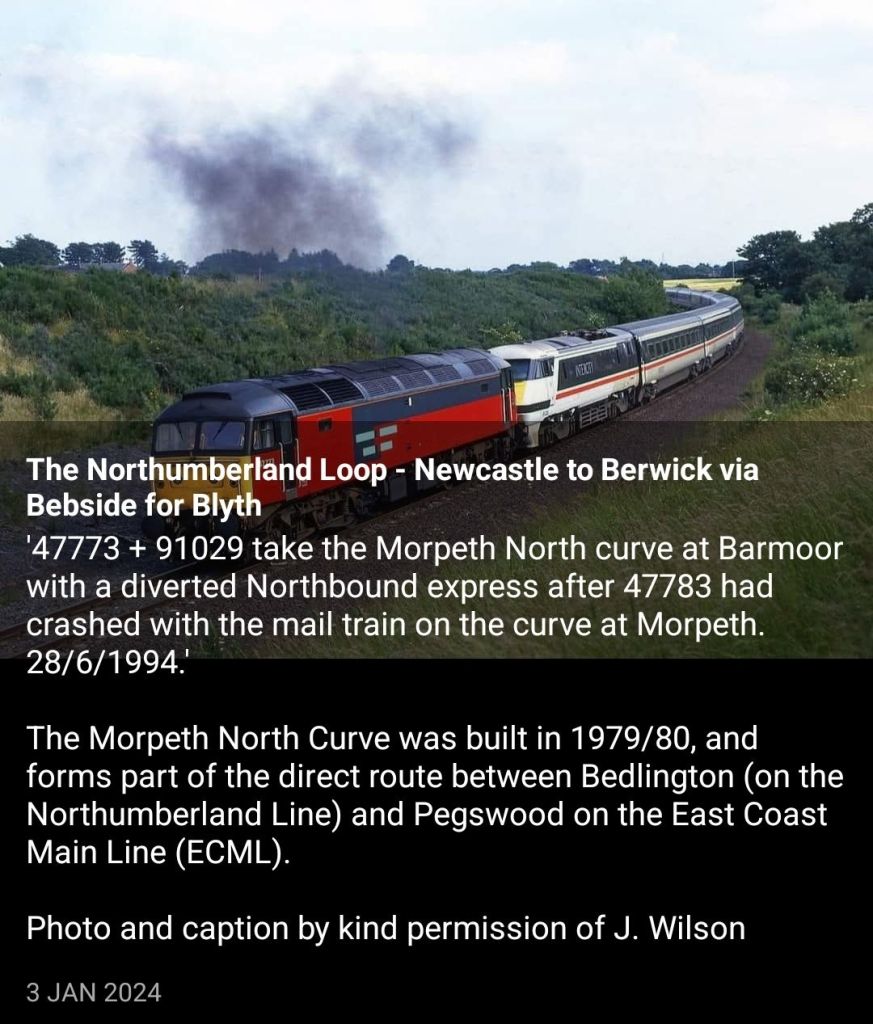
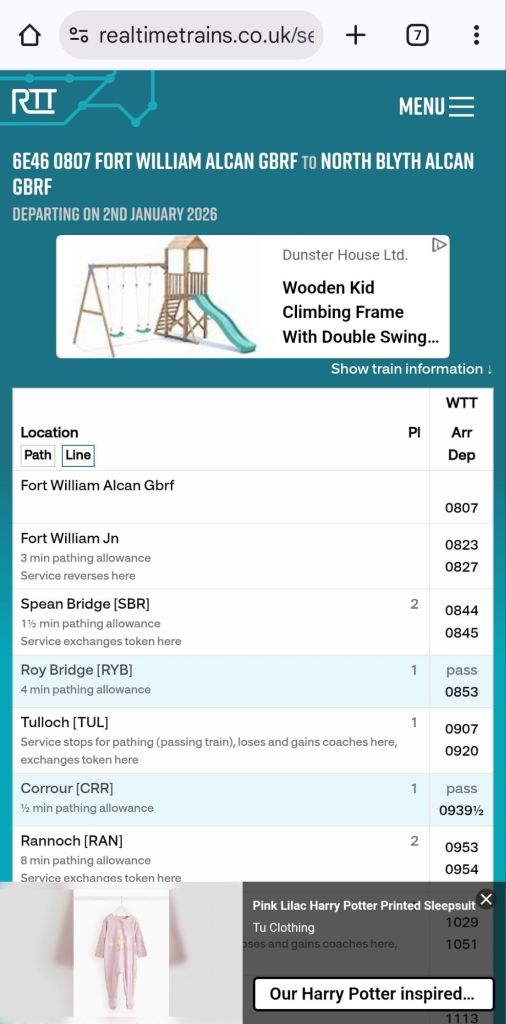
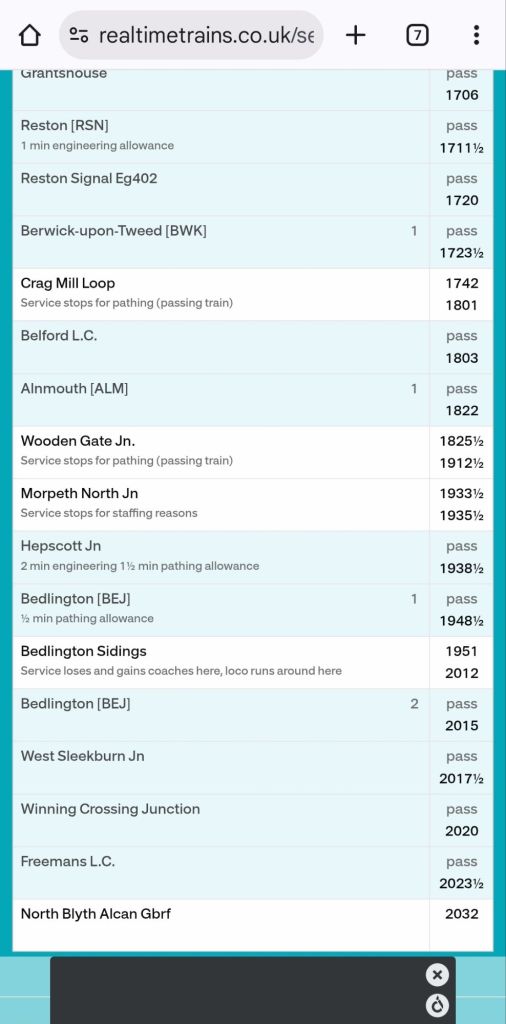
Unlike the extension to Newbiggin, or even that to Lynefield Park or Lynemouth, the route is already wholly in place; the line through the village of Hepscott being used several times a week for railfreight (notably the GBRf operated alumina train between the dock at Port of Blyth to the Lochaber smelter in Fort William on the Scottish west coast), this train coming through Hepscott and using the Morpeth North Curve to head directly to/from Scotland to reach Bedlington.
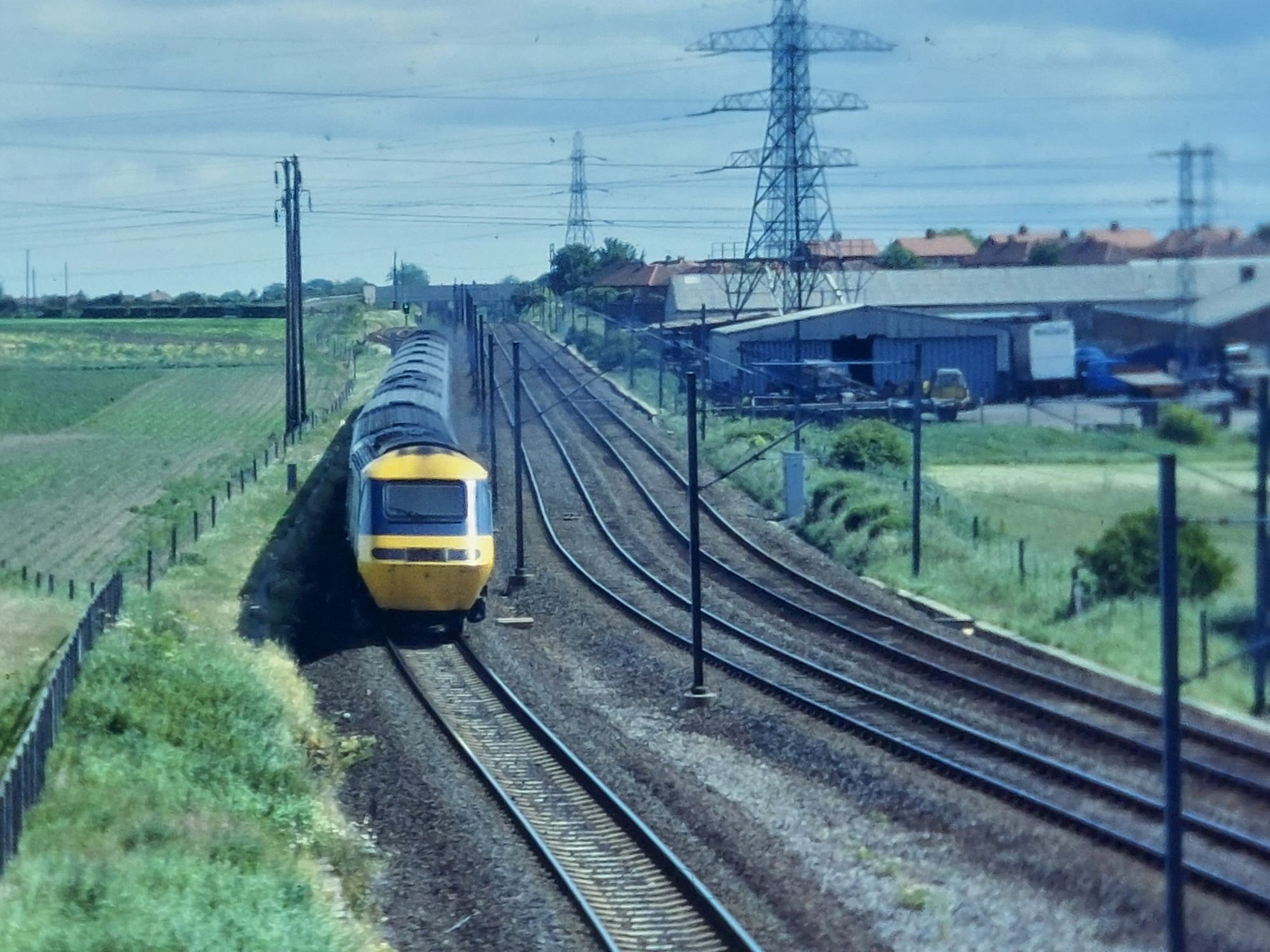
The under construction Morpeth North Curve in the late 1970’s/1980, photo by courtesy of Phil KirklandPhoto of 66301 hauling the now withdrawn ‘Alcan’ PCA waggons around the Morpeth North Curve bound for Scotland on 22nd August 2024.
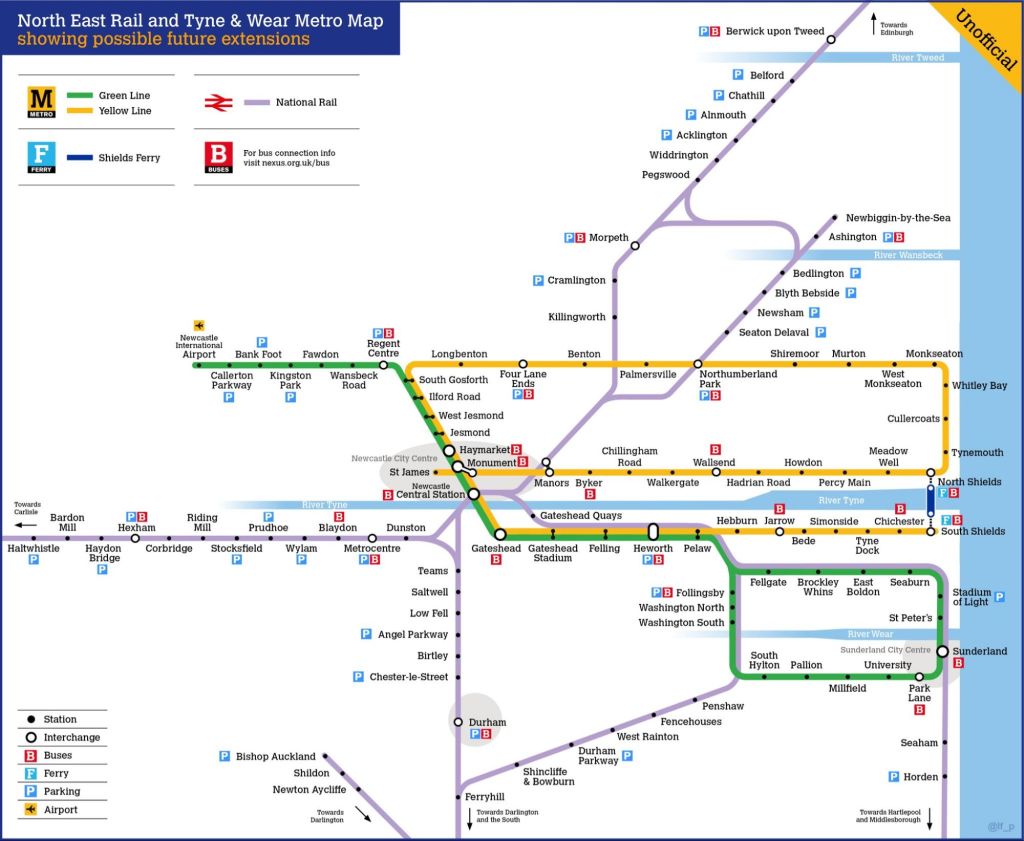
Route maps of this proposed route show the potential of connecting Newcastle and Edinburgh via Blyth alongside the existing route via Morpeth and Cramlington, in effect, the Northumberland Coast Loop is just an alternative route a train can take to travel between the two cities, and whilst slower than the route via Cramlington, a stop at Blyth Bebside station serves the largest population centre in Northumberland (Blyth), with easy access to Blyth Bebside by rail, bus, taxi, car (via A189/A193), and even active travel from the surrounding towns of Ashington, Bedlington, and Cramlington, making it very strategically located and hence its suggestion as a key stop on this Northumberland Coast Loop route.
Once opened, Northumberland Park will be the only conventional railway station in the North Tyneside Metropolitan Borough since the 1970’s, so a long distance service to and from this station would give the area a much wider range of direct connections, and could be a massive boost to business parks such as Cobalt, one of the largest in the UK by offering an InterCity link close by, as well as the close location of the Port of Tyne, especially for connections to the DFDS ferry to Amsterdam, and cruises into the Port of Tyne.
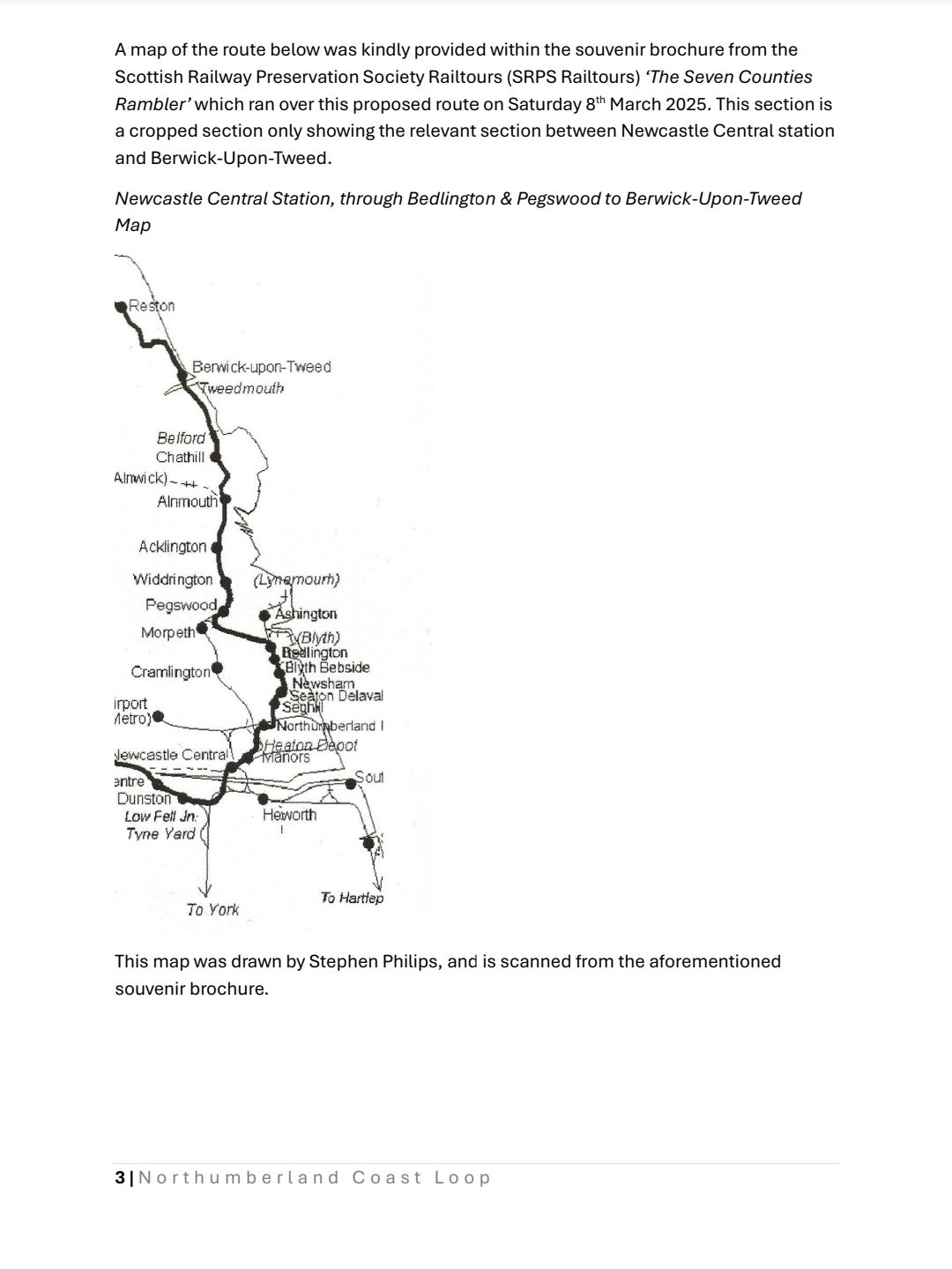
Map of the Northumberland Coast Loop showing the potential to go between Newcastle and Edinburgh via a large part of the Northumberland Line between Bedlington and Newcastle. Ashington is situated on the Newbiggin branch, so is not directly served by the route, as Woodhorn or Newbiggin would also be on this branch of the route)Route map of the Northumberland Coast Loop within Northumberland, showing onward connections both north and south.
Back in March this year, I actually travelled this line on the SRPS Railtour ‘The Seven Counties Rambler‘, which is where the map below is derived from, being taken from the brochure given out on the day, which shows how complete the route is, trains could be using it now to give this connection north into North Northumberland and Scotland given paths and rolling stock being made available.
As also stated in numerous blogs and posts, this route would have the added advantage of adding seating capacity onto the Northumberland Line by adding some additional trains to the route alongside the half-hourly Northumberland Line service, and would also reduce the number travelling into Newcastle purely to back-track north on board other trains via Cramlington, instead, people could simply travel north on a direct service; reducing overall journey times, and making trips easier and more comfortable (time isn’t ‘wasted’ on the train as it is possible to settle down to work, or simply to sit back and relax).
Moor Farm roundabout: End the National Highways ‘veto’, and use of rail to ease congestion issues.
In recent days, the Moor Farm Roundabout (where the A19 and A189 cross each other near the Northumberland border with North Tyneside), as well as that at Seaton Burn (where the northern end of the A19 meets the A1) has again been raised as an issue by local MP Emma Foody, alongside supporting remarks by Ian Lavery MP, as effects ripple far more widely than just the immediate area of the roundabout itself.
On the congestion itself, Moor Farm Roundabout has long been a congestion hotspot, with heavy traffic in all directions almost all of the time, but road congestion is something almost impossible to ‘build your way out of’, as to paraphrase the wise Lewis Mumford, who wrote back in 1955 (70 years ago in The New Yorker) ‘Building more roads to prevent congestion is like a fat man loosening his belt to prevent obesity.’
As can be seen from the Tyne Tunnel, of which a second bore was opened up in 2012, the traffic issues have not really been ‘solved’ at the Tyne Tunnel, or elsewhere as it is still an area very prone to congestion, as despite hundreds of millions of pounds spent on the second Tyne Tunnel, and the rebuilding of Silverlink and Testos roundabouts, driving around there is still likely to have you stationary at peak times; as simply more roads result in more traffic.
Quote from Lewis Mumford, 1955.
The same has happened on the A1 Western Bypass, despite spending again hundreds of millions of pounds, road congestion continues to be an issue as building more lanes results in more traffic using the road, filling up the additional capacity created and returning congestion to how it was before.
No-one enjoys road congestion, and the apparently logical course appears to be widening of roads, or building totally new ones, but it simply allows more traffic onto the road and soon after, any benefit is negated by this additional traffic, as can be seen in the above examples; going around the MetroCentre, or via the Tyne Tunnel isn’t fast or congestion free, despite more and more lanes, roundabout rebuilds, and more.
The reality of widened roads
National Highways ‘veto’ powershould be ended and let building homes and businesses happen.
The real issue is that due to the congestion, National Highways can effectively ‘veto’ planning applications to attempt to throttle back road traffic:
“National Highways can issue holding recommendations on planning applications, in effect preventing them from moving forward. There are at least four holding objections on applications for housing and business development as a direct result of the Moor Farm roundabout.” Emma Foody MP as quoted in the Northumberland Gazette.
The Northumberland Line/Coast Loop to relieve the A189 and release developments from National Highways constraint?
The relevance of this to the Northumberland Coast Loop, and the above celebration of the Northumberland Line continuing to thrive is that the railway provides a great alternative to driving at all; a person riding a train, or goods moving via railfreight doesn’t add anything to road congestion, and if anything actually relieves it via modal shift (changing from a car trip to being a rail passenger, or goods going by rail and not by road).
The effect of the Northumberland Line having over 800,000 passengers is that clearly fewer people are travelling by road; anecdotal evidence from social media and conversations with friends and family shows that many have swapped car trips for rail journeys, which means that rail is taking a much greater share of overall travel now the Northumberland Line is open and moving towards completion.
Therefore, and in my own view, the throttling back of planning applications by National Highways for development of homes and businesses should be ended, with investment instead put into the Northumberland Line and Northumberland Coast Loop to increase train capacity to take more people by rail, rather than road, and allow much needed new homes and businesses to break ground as soon as possible.
The Northumberland Line has cost around £336.4m to develop 18 miles of line from a low freight line to a bustling passenger line with six new stations (Ashington, and Bedlington are really ‘new’ due to large rebuilds of both), and the ‘do minimum’ for Moor Farm and Seaton Burn is £300m, rising to £775m for the largest scheme; putting even a fraction of that sum into the Northumberland Line/Coast Loop for more track, trains or new routes could massively improve local transport and open up developments without the need to pay hundreds of millions to rebuild one or two roundabouts.
Thank you to all who have signed and supported it so far, and please keep sharing via Facebook, WhatsApp or any other means with your friends and family to keep the petition growing!
Please click here for more details on the Festival of Energy, which will be held in Blyth, Northumberland between the 5th and 8th March 2026 as a free four day festival event.
Could the Northumberland Coast Loop rail route be a means to help people reach the event? Given the focus of the festival on Blyth as a global leader in renewable energy, arrival by sustainable transport could be a very fitting solution?
In this article from the Northumberland Gazette, full details are available for the SENRUG meeting on 20th November 2025, in central Morpeth, which will feature two LNER Managers attending as guest speakers to discuss the timetable changes on the ECML, the transition to Great British Railways (GBR), and wider aspects of things to come for LNER.
Please attend the meeting if you can, with members of the public, as well as SENRUG members welcome to attend.
The meeting is at Morpeth Town Hall, Morpeth, Northumberland on 20th November 2025, with tea and coffee available at 19:15, and the meeting starting at 19:30.
Our Change.org petition for the Newcastle to Edinburgh rail service via Northumberland Coast Loop (calling at Blyth Bebside and Northumberland Park) is steadily building again; with only 17 signatures left to go now until we reach the next target of 1000.
Screenshot of the petition as it stands on 12.11.25
Thank you very much to everyone who has signed so far, and please share this post with friends and family, and hopefully they will sign too!
This repair is a promising sign for the future of the station, which currently only sees a very limited service from the ‘Chathill Flyer’, which serves the station twice a day in each direction.
Chathill is the current terminus for this service, the train running empty to a siding at Belford, and then returns later to run back to Newcastle.
The Chathill Rail Action Group (CRAG) intend for the station to be better served by campaigning for the Transpennine Express (TPE) trains that currently roar through the station between Newcastle and Edinburgh to stop there, and better serve major attractions nearby at Seahouses (for the Farne Islands) and Bamburgh (home to Bamburgh Castle, used in the recent 2023 film Indiana Jones and the Dial of Destiny amongst others).
To achieve these extra stopping trains, infrastructure investment into the East Coast Main Line (ECML) is likely to be required, as was outlined in our recent blog post, but was also stated in the article by Coun Martin Gannon, who states that ‘…lay-bys were being pushed for, despite being “not a perfect solution.”.’
In the wise words of Voltaire, however, it can be argued that seeking ‘Perfection is the enemy of the good’; and in terms of rail infrastructure, the relatively modest upgrading of the ECML by the addition of loops (the ‘lay-bys’) would represent a good solution; if Chathill could see even half a dozen trains per day above what it sees now, that would be a massive benefit for a huge surrounding area.
Chathill as more than just a station?
The station could be used for much more than just rail users however, as John Holwell, Chair of CRAG is quoted:
“Ultimately we’d like to see the building developed beyond a waiting room as there are other rooms in the building that aren’t used. People do come, believe it or not, cyclists come along when they use the cycle route, they’re not rail users necessarily, and it’d be nice to have a centre for tourists and other people.”
If the waiting room at Chathill could similarly offer a refreshments facility along the lines of those at Morpeth, and targeted not just to the small number of rail users, but also a wider clientele such as passing cyclists, walkers and even just those stopping for a break whilst holidaying in the area.
The North Sunderland Railway 1898 – 1951
Something that might be worth looking at for the refurbishment of Chathill station might be to have a display or perhaps small museum space dedicated to the quite unique North Sunderland Railway.
This little branchline ran from the junction Chathill to North Sunderland (Seahouses), but was always a private railway company, it hired in locos from the North Eastern Railway, LNER and later British Railways, the line closed in 1951, having never been an economic success; but today, would likely be a busy route given how popular a day out in Seahouses has become!
Armstrong Whitworth was a firm founded by the builder of Cragside, and restorer of Bamburgh Castle, Lord William George Armstrong, 1st Baron of Cragside.
In 1933, this firm built six small diesel locomotives, of which one D25 was named ‘Lady Armstrong’ and worked on the North Sunderland Railway until it was scrapped in 1949.
Happily, of this fleet of six locomotives, two sisters of D25 ‘Lady Armstrong’ survive, one of which, D22, is still highly active on the Tanfield Railway in Gateshead/Co. Durham, running as Reyrolles No. 2 where it spent much of its working life, but at the grand old age of 92, is still active!
Indeed, D22 has sometimes been at the head of ‘The Farne Islander’ trains at the Tanfield Railway.
D21 the other survivor is also on loan to the Tanfield Railway as a static exhibit from the National Railway Museum.
Photo of D22 active at the Tanfield RailwayPhoto of Reyrolles No.2 on the Tanfield Railway and long-time volunteer Bob, who is the same age as the loco!
Perhaps it could be fitting for one of these survivors, given their sister D25’s close tie to North Sunderland, and the founder of the firm that built them, Lord Armstrong of Armstrong Whitworth having such a close tie to Bamburgh Castle, to visit Chathill Station at some point in the future?
It could be a fitting way to celebrate Chathill looking forward to the future, but also highlight an interesting piece of the past too?
This could have a major effect on the proposed upgrade of the present Pegswood station into Pegswood Parkway, and could give it a similar appearance to Sandy station in Bedfordshire, with more details below!
New loop lines at Pegswood?
Section of the report outlining approximate cost ranges for infrastructure builds (in 2020 prices)Option of Stannington or Pegswood Loops, north of Pegswood Viaduct at ‘Medium’ cost (£5m to £50m in 2020 prices)
As can be seen in the extract from the above report, loops at either Stannington or Pegswood are options, but for the Northumberland Coast Loop, the Pegswood option is likely to be the favourable option, as it allows traffic joining the ECML headed north towards Edinburgh, or leaving it headed south to be looped on the ECML if required.
Construction of these loops, without any other upgrades such as Pegswood station, would still bring a capacity benefit to the ECML, but perhaps there is an option to multiply the benefits by rolling in a long-proposed upgrade of Pegswood station with construction of the loops?
Strategic site, and transform Pegswood station into Pegswood Parkway by simply adding a car park, and becoming a ‘hub’ for Ashington, Morpeth and beyond.
Pegswood would be ideally sited to become Pegswood Parkway (a common name for a Park and Ride Railway Station), a notable local example being the MetroCentre station on the Tyne Valley Line.
This strategic location is further bettered due to the close proximity of the A197 Pegswood Bypass, which at its western end connects onto the Whorral Bank Roundabout, offering links over to the A1, A697 and A192 via the Morpeth Northern Bypass, the A197 dropping down into Morpeth parallel to the River Wansbeck, and the B1337 towards Longhirst.
At the eastern end of the A197 Pegswood Bypass, is the link across to Ashington and Newbiggin, with the links to the A1068 and A189 Spine Road placing the station centrally for a wide catchment area, and avoiding the obvious issues of congestion around accessing the stations of both Morpeth and Ashington.
As can be seen on the image above, there is ample land to develop a simple but large car park between the railway and the bypass, with easy potential to access such a car park directly from the A197, and thus not adding any traffic into the village of Pegswood itself, as well as avoiding additional traffic feeding into Morpeth (a town with known congestion issues). Access to and from this car park could be directly from the A197 Pegswood Bypass, just west of the Pegswood Fire Station, therefore not adding to traffic in Pegswood itself, and could easily be linked to the station via a short footpath to the southbound platform just to the north of the Juliet Oakley Childrens Park.
The existing 35 bus service runs through the town of Pegswood, and passes very close to the present station site, offering a great public transport connection to the station too, and the nearby National Cycle Network Route 155 also passes very close to the station too.
Therefore, Pegswood is well sited, not just to serve the community of Pegswood, but could also clearly serve a much wider area, which includes Morpeth and Ashington, which will be outlined below.
Morpeth, whilst the station is on the ECML itself, it could still benefit from an upgraded local service calling at Pegswood to ‘feed’ into Morpeth station, allowing people to park at Pegswood and then travel into Morpeth to meet onward services. This could reduce road congestion within Morpeth itself, and with a regular bus service calling at the station could be a doubled up park and ride for the town.
An upgrade of Pegswood station to service the small number of Northumberland Coast Loop services stopping to serve Morpeth and Ashington, as well as for local services along the ECML is not intended to displace any other services calling at Morpeth; indeed it is intended to complement Morpeth by provision of additional parking away from that station but easily accessible from.
A call at Morpeth station directly is not possible due to the route of the Northumberland Coast Loop (N.C.L.) [see image below] which between Pegswood and Bedlington uses the Morpeth North Curve; this route does not run through Morpeth station, but a short drive/bus ride to Pegswood station would allow easy connection to N.C.L. services by Morpeth residents or visitors should it be required. The primary market for Morpeth residents is likely to be access to the stations and areas served by ‘the loop’; Bedlington, Blyth Bebside, Newsham, Seaton Delaval, and Northumberland Park (for North Tyneside etc).
This station would be useful in the event of disruption occuring that used the Northumberland Coast Loop route for diversions; an example being engineering work, or damage to infrastructure such as occurred at Plessey Viaduct in October 2023; had this been been more severely damaged, diversions via Blyth might have been put in place (as has happened before during rail accidents at Morpeth Curve).
Locomotive ‘Flying Scotsman’ on a detour via Bedlington due to Plessey Viaduct issues in October 2023 (screenshot from a video)Class 91 being ‘dragged’ by a Class 47 around Morpeth North Curve in June 1994 due to the 1994 rail crash at Morpeth Curve near to Morpeth Station.
It is worth noting that if the proposed Ashington – Alnmouth ‘Butterwell Line’ was to be built, this route would also omit serving Morpeth, but the N.C.L. route via Pegswood offers a perhaps more reasonable connection.
Ashington, like Morpeth above is also not served by the N.C.L. route directly, but again this is due to the existing track layout; it is currently, and has never yet been possible to have a direct train from Ashington towards Edinburgh. The previous mineral lines did connect Ashington to the ECML, but in a southfacing direction; meaning trains headed north from Ashington would curve south near Linton Colliery, and head south again towards Pegswood and Morpeth.
The ‘Butterwell Line‘ campaign is seeking to alter the layout of the former, and long disused, colliery lines through Ashington Community Woods and the former Butterwell Disposal Point, and create a new curve and junction onto the ECML near to Ulgham. This is likely to be a long-term project, that will need a considerable investment to create.
The Northumberland Coast Loop route, by contrast uses currently working freight and passenger lines entirely, and would be based upon ‘no regret’ upgrades to routes such as the ECML and newly opened Northumberland Line, so could be implemented more quickly, and at lower up-front cost potentially than the Ashington – Widdrington link ‘Butterwell Line’.
If the Butterwell Line was to be built in the future, then a decision would need to be made if the N.C.L. route may get altered to run via Ashington rather than Pegswood, but as stated, upgrading Pegswood into Pegswood Parkway is likely to still represent a ‘no regrets’ scheme, as enhanced local services would still be able to operate to and from the station.
Conclusion: Pegswood could work as a hub for Morpeth and Ashingtonon the N.C.L. route
Whilst Pegswood is obviously a small settlement between its larger neighbours of Ashington and Morpeth, as outlined above it could act as a ‘hub’ for both, not dissimilar to how Alnmouth station a few miles north acts as a hub for the towns of Alnwick and Amble.
Pegswood Station: Present and Future
Pegswood Station today: Rebuild required for better accessibility.
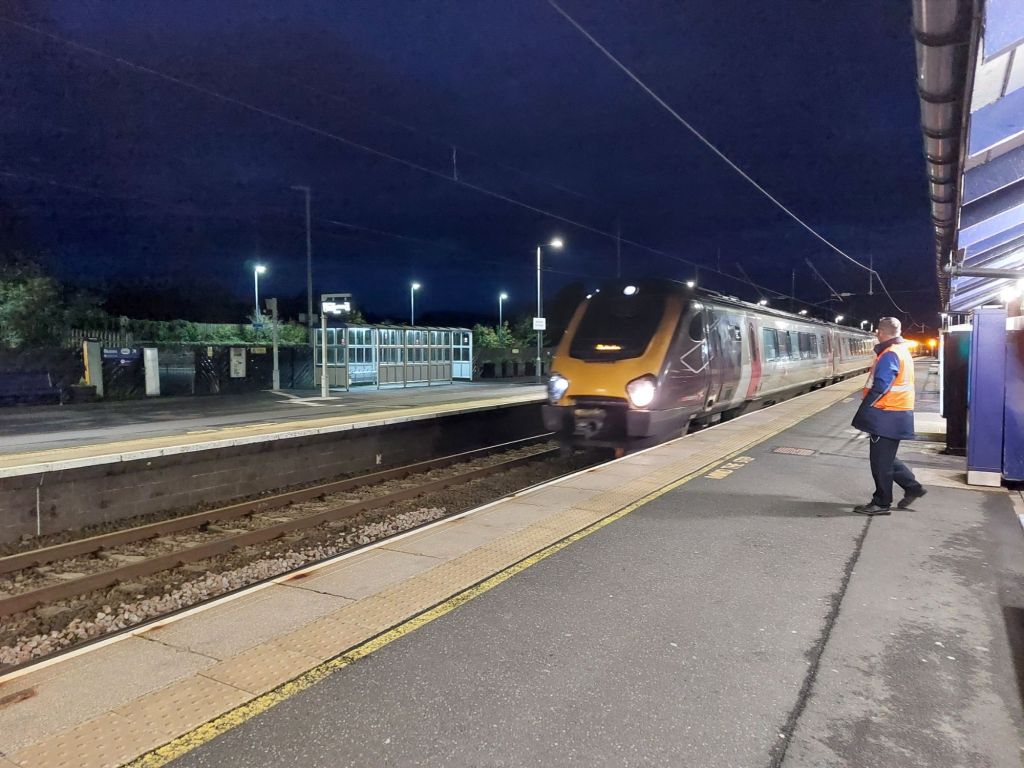
As can be seen from the photos below, Pegswood is an existing station on the ECML, and is currently served by just three trains per day. One issue at Pegswood is the low platform height, especially on the southbound line, evidenced by the ‘Harrington Hump‘ which can be seen in the upper photo, which froms a short raised section for better access to/from trains.
Photos of Pegswood station from the 2021 blog post
This is a good example of a low-cost alteration that has offered a temporary improvement a low platform, but realistically the long term fix is to correct the entire platform for height and offset (making level boarding easier as new units are increasingly designed to meet these standard heights).
Therefore, Pegswood would ideally see both platforms rebuilt to the correct standards, BUT, if loops are also proposed at Pegswood, then both schemes could be linked together; rebuild the platforms alongside the loop lines to allow stopped trains to be overtaken, which is inherently better than the current capacity limitations of a two platform station on a two-track railway.
Pegswood Parkway but Sandy Style?
As the report at the top of the post outlined, there is an option to increase the capacity of the ECML via the addition of loop lines at Pegswood. This would allow stopped trains to be overtaken by non-stop services; increasing the capacity of the ECML.
This presents a further opportunity; if Pegswood needs to be rebuilt anyway to correct the platform heights, then why not also place the platforms on the loops? This would allow stopped trains to be out of the way of fast expresses roaring through Pegswood, as they do at present (see this video as an example), rather than a stopping service having to be squeezed into very limited paths as they are at present.
A very similarly station is proposed at Belford, again a little further north on the ECML, at a proposed £14m cost in November 2024, but at that location the loop lines already exist, so it is platforms only in terms of cost.
Image of Sandy station from Google MapsImage of Sandy station from Google Maps
The track layout at Sandy station, similar to Hitchin and many others, enables fast trains to whizz past other services stopped at the station, and whilst the layout at Pegswood is likely to be loops rather than a full length of four-track layout (effectively like a layby for stopped trains rather than the equivalent of dual carriageway), it will still increase the capacity of the ECML positively and allow more trains to call at Pegswood, both local, and in the case of the Northumberland Coast Loop, long-distance ones too.
Costs
The 2020 price range for new loops at Pegswood was in the £5m to £50m range (Medium cost), which when adjusted to 2025 prices is a range of £6.4m to £64m for loops only.
The price of a new two platform station, essentially the same for a rebuild of Pegswood ‘as is’ or providing a new station built adjacent to the new loops, would be approximately £14m to £20m, based on other stations proposals such as Belford, but allowing for a contingency.
Therefore, an ‘all in’ cost of loops and a new station would likely fall somewhere within a range of £20.4m to £84m, but would need to be properly assessed to gain a more accurate costing, but compared to a route such as the ‘Butterwell Line’, which is highly likely to cost £100m+ (again would need full and professional assessement to ascertain true cost), the upgrade of Pegswood station and loop lines might well prove more cost effective as an option to improve the railways in Northumberland.