Northumberland Line nearing completion; lets see Newbiggin, the N.C.L., and Choppington station next!

On Sunday coming (29th March 2026), the final Northumberland Line station at Bedlington will finally open to passengers and mark the completion of this hugely successful but unfortunately much delayed project.

The opening date of 15th December 2024 was much revised from original forecasts, and only two stations (Ashington, and Seaton Delaval) opened on that date, joined progressively by Newsham (17th March 2025), Blyth Bebside (19th October 2025), and Northumberland Park (22nd February 2026).

Despite only opening with two stations, passenger numbers started very strong, and jumped significantly with each successive station opening; to the point where reputedly people cannot board at stations such as Seaton Delaval as the trains are full upon leaving towns such as Blyth.

There have even been some extraordinary remarks made that stations such as Bedlington ‘shouldn’t be opened until more carriages come’ due to how busy the line is! 

As a lifelong advocate for the line to be reopened, I’ll freely admit to feeling full of joy, and doing a James May style ‘victory dance’ at how successful the line has been over the last 15 months!

James May and his ‘victory dance’ on Top Gear

Anyway, back to trains!

With this astounding start, it is clearly a good time to build on this success and deliver even more:

Newbiggin-by-the-Sea extension

Extending the Northumberland Line north beyond Ashington, and around to Woodhorn and Newbiggin-by-the-Sea has been announced multiple times by Northumberland County Council as their intended next phase, subject to a feasibility study, planning permission, and funding and is much welcomed by myself.

I personally feel that rebuilding the branch into Newbiggin itself might be less preferable than a station at the Church of St. Mary, Woodhorn (where the existing line to Lynemouth Power Station crosses the A197), as this could allow for a terminus station within Lynefield Park (former smelter site) serving this growing business park, as well as a future extension to Lynemouth itself when the power station ceases operation at some point in the future, and a new station could be built nearby to the Lynemouth Miners Welfare Institute, which would serve Lynemouth directly, but also offer a fair connection for Ellington and Cresswell too.

Those are just my own thoughts on the extension, and a feasibility study process might identify which option is the better one.

The Northumberland Coast Loop

This campaign began around nine years ago; long before the Northumberland Line opened in 2024, but was inspired by the long running campaign to reopen the then ‘Ashington, Blyth, and Tyne Line’, coupled with the 2017 ‘Bound for  Craigy’ railtour which ran on 18th March 2017 operated by Virgin Trains East Coast (VTEC) and the Branch Line Society (BLS) for the 40th anniversary of the Class 43 HST sets, and raised £50,000 for The Railway Children charity.

Led by power car 43300, and with 43082 on the rear, this tour took the proposed Northumberland Coast Loop route from Newcastle towards Edinburgh via Bedlington, I took the photo below of it passing Barrington Road, which is between Bedlington railway station and the site of Choppington station.
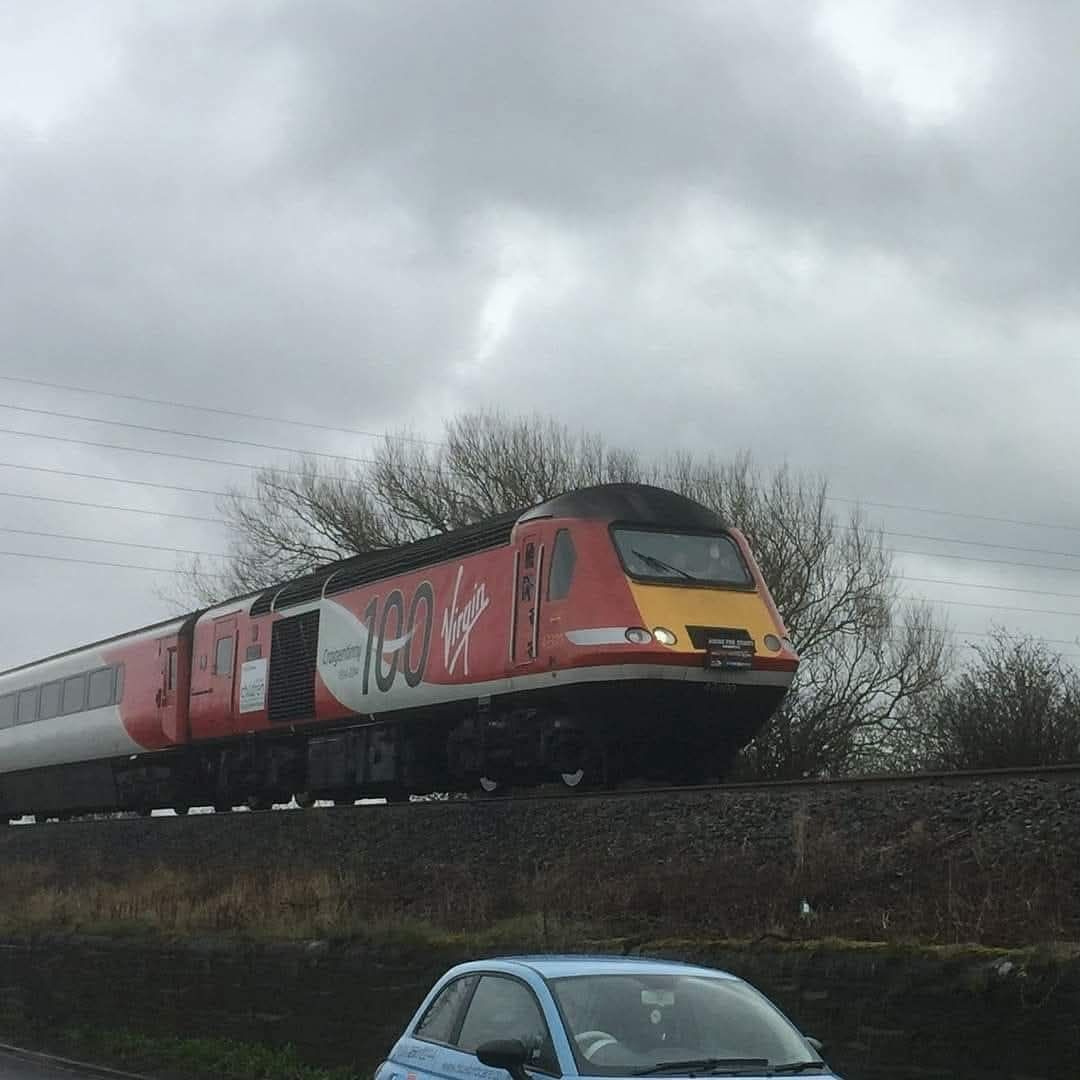
43300 on the ‘Bound for Craigy’ railtour, 18th March 2017

Over the ensuing years, and with the Northumberland Line scheme clearly making progress, the Northumberland Coast Loop proposal started to take shape, as it showed the benefit of using the route to connect SE Northumberland to North Northumberland in a way that wasn’t possible until the 1980’s, well after the stations had closed in 1964.

I travelled the route personally just shy of eight years later aboard ‘The Seven Counties Rambler’ on 8th March 2025.

Morpeth North Curve: A century too late?

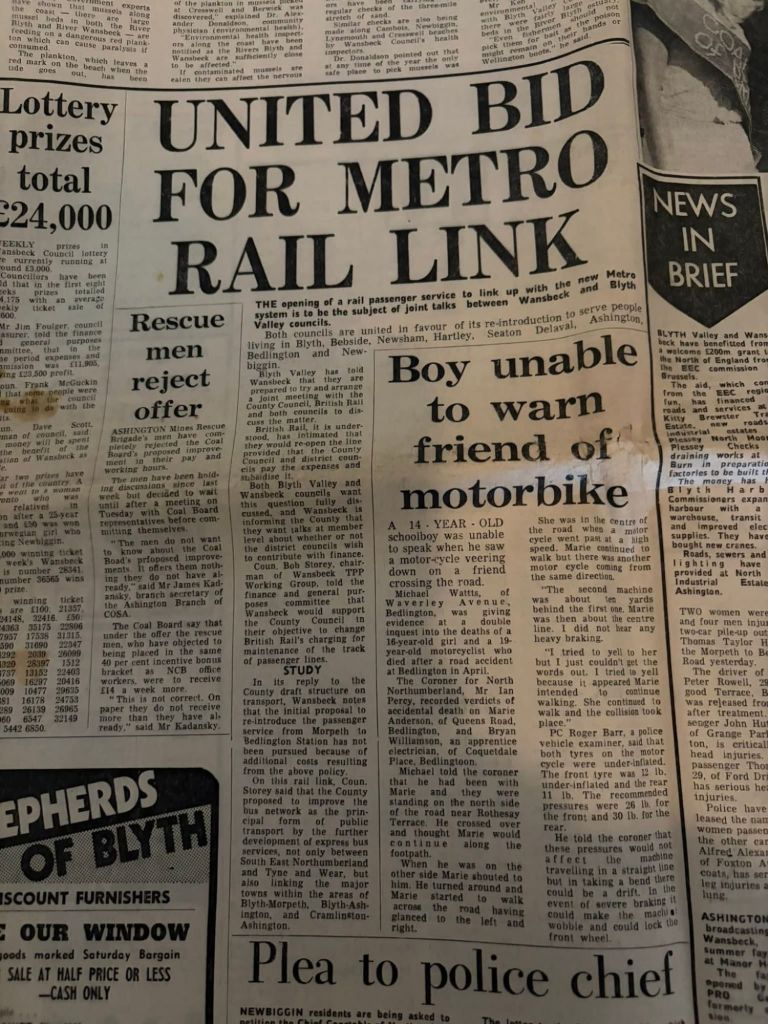
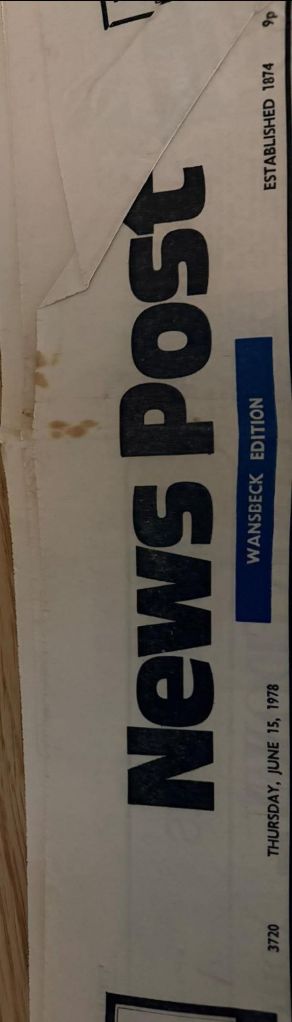
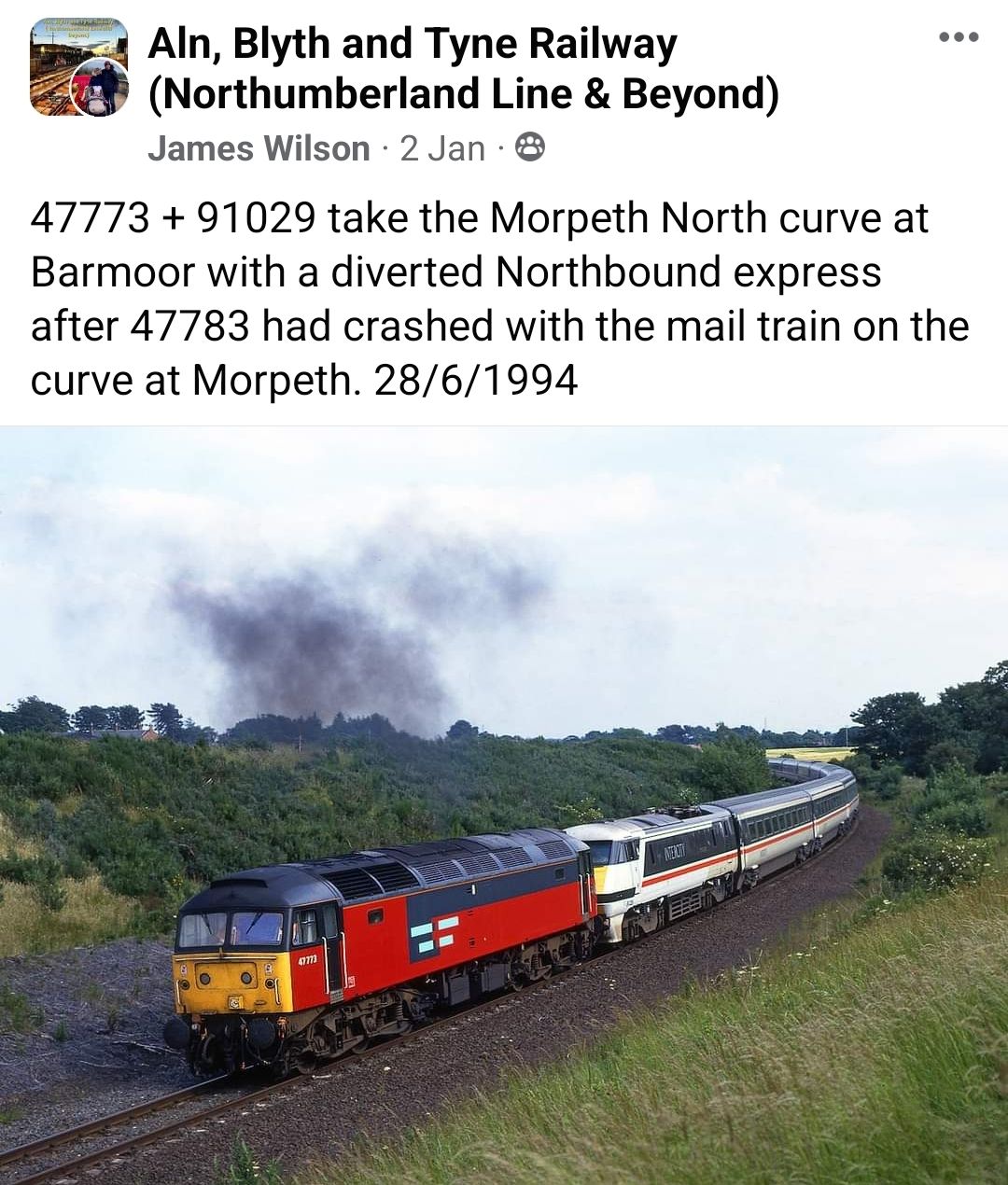
What is now known as the Morpeth North Curve was noted by C.R. Warn (1976 p. 35 & 36 in his book ‘Main Line Railways of Northumberland’, where it was authorised in 1882 ‘to avoid reversing coal trains travelling from Widdrington to Blyth‘ but strangely was not built until almost a century later despite the vast growth of Blyth as a coal shipping port driven by the NER itself, becoming one of the busiest coal exporting ports in Europe in the 1960’s.

Had this curve opened pre-WW1, I would speculate that Blyth, as an important industrial town with coal mining and shipbuilding would almost certainly have commanded a long-distance service to serve the town, and possibly would have retained it even through through the postwar era through to today.

Similarly, areas such as North Tyneside, another thriving industrial area, and the coast from Whitley Bay to Tynemouth as a once major tourism hotspot would similarly have likely commanded enough of a market for long-distance services for passenger trains to have survived and possibly thrived again.

Whitley Bay to Glasgow

An example such as this 1962 special train from Whitley Bay to Glasgow Queen Street might have survived longer if the direct connection from Bedlington towards Scotland had then existed, avoiding the awkward reversal at Morpeth and therefore the potential need for two locomotives (steam & diesel), and thus the reduced costs and operational complexity involved.
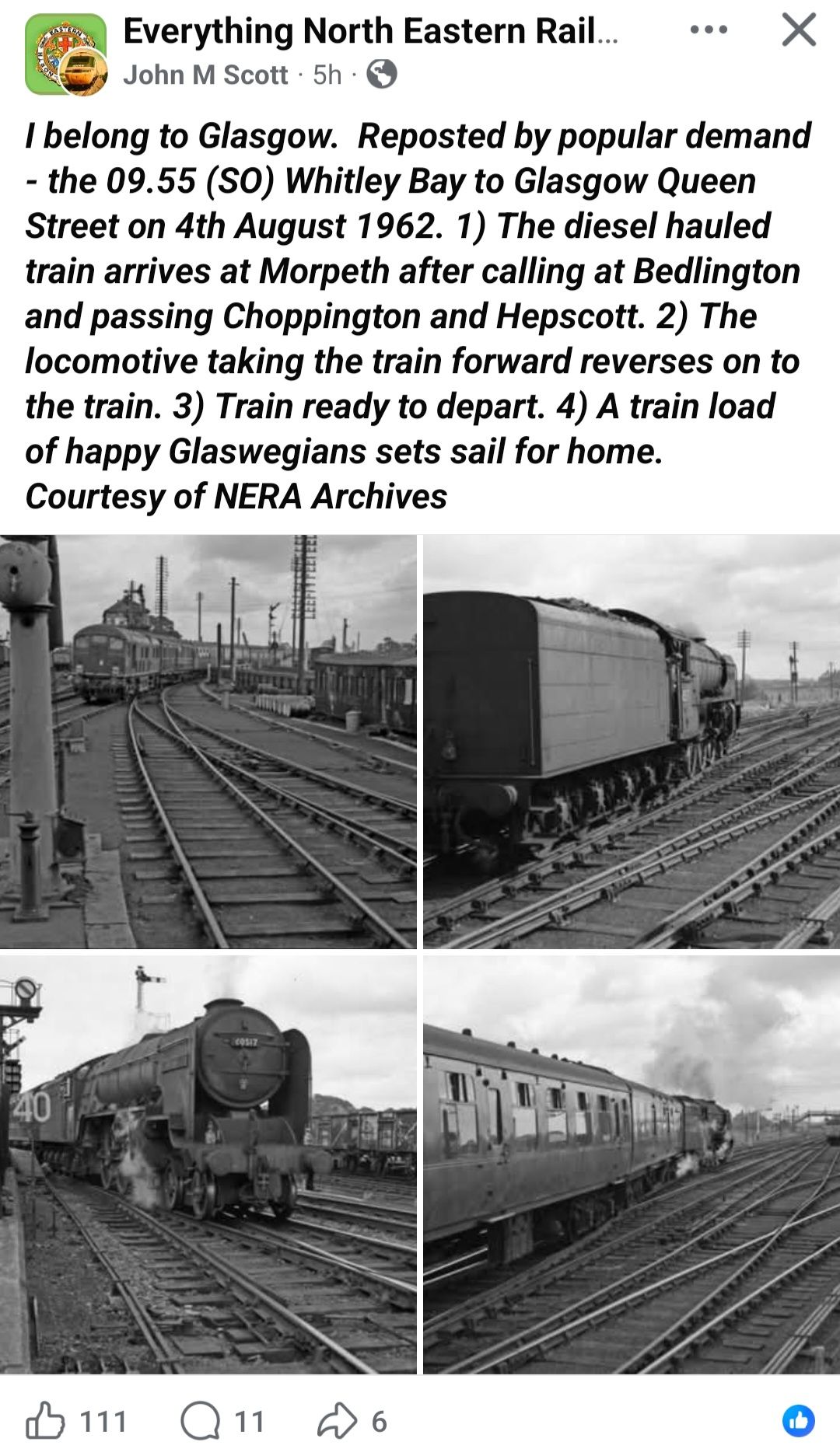
Post shared on ‘Everything North Eastern Railway’ Facebook Group by John M Scott

Sadly, history didn’t happen that way; the curve wasn’t opened until 1980, long after most of the stations on the potential route had closed and been demolished (only Bedlington remained intact) so the opportunities of what might have been were unfortunately lost.

Still an opportunity today.

Blyth does howver, remain as an important industrial town; as despite closures of mines and shipyards, a new future as a major centre for green energy infrastructure beckons; businesses like JDR cables in Cambois for example supplying cables for offshore wind farms for example.

Similarly, while Whitley Bay, Cullercoats, and Tynemouth may not be the ‘resort’ that they once were bring hordes of Glaswegians to the area, they are still popular places to visit from far and wide.

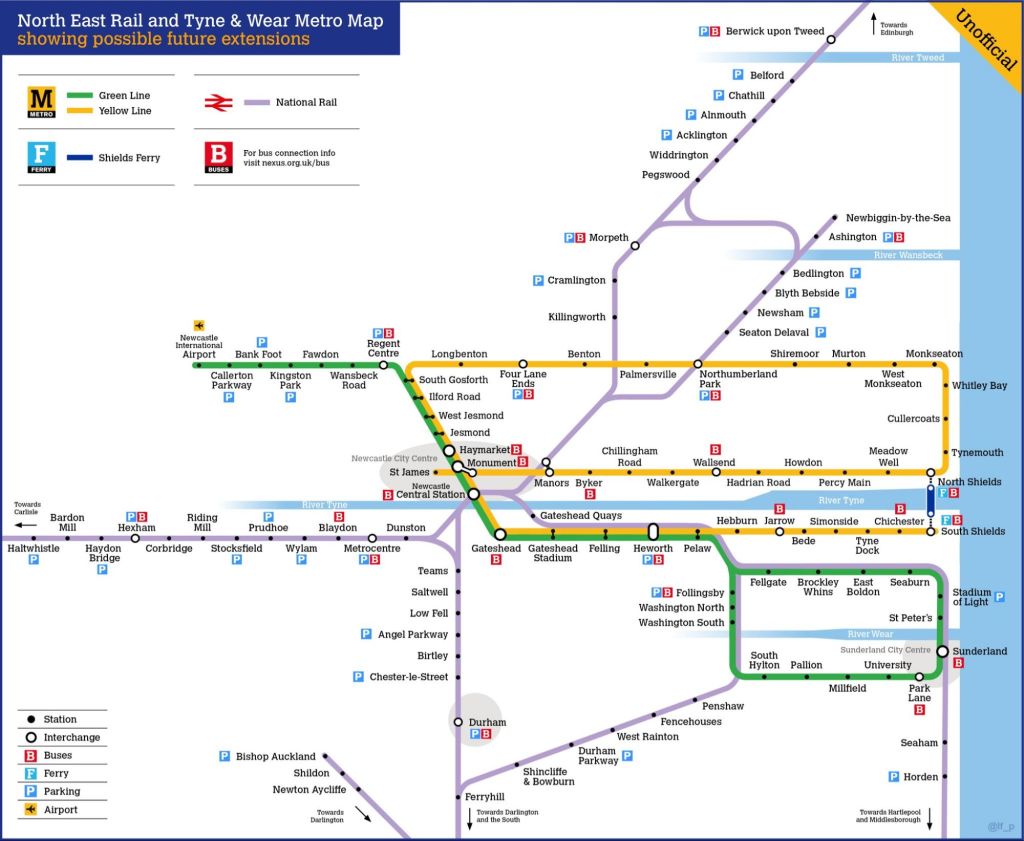
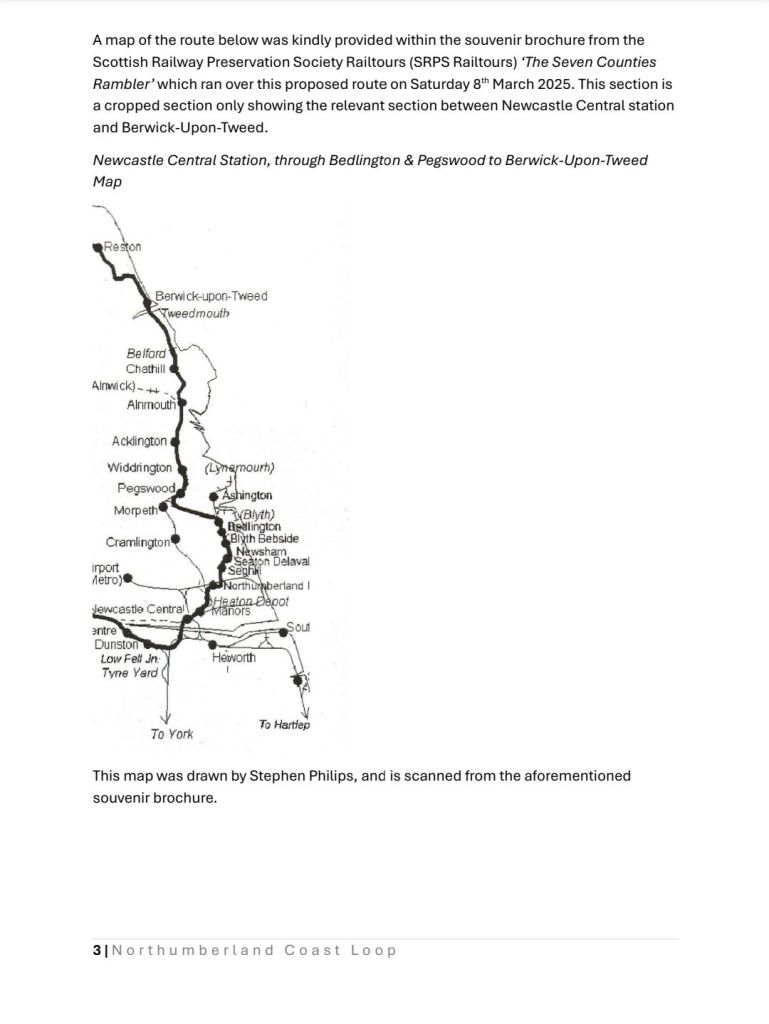
The route map below shows the potential of connections along this route; Northumberland Park, now open as an interchange between trains and the Tunr and Wear Metro is ideally placed to distribute people around North Tyneside wherever their intended final destination is.
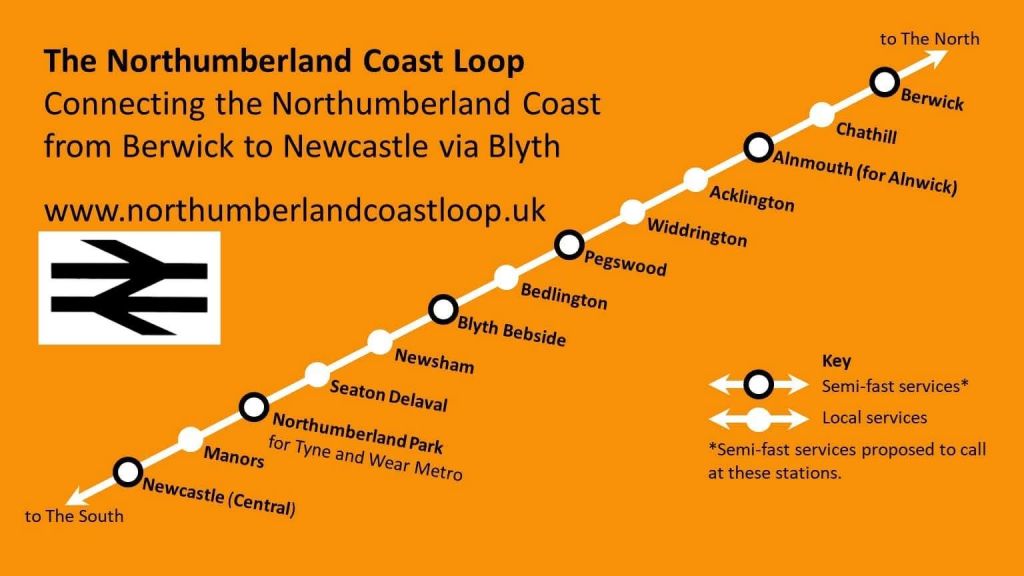
Blyth Bebside would give easy access by rail, bus, car, bike or walking to a wide area of SE Northumberland, boosting the local economy by making access to education, training, employment and leisure easier.

For example, students from Berwick wishing to access Ashington College would only need to change train at Blyth Bebside and travel up to Ashington then have a short walk to campus, whereas currently it is a bus transfer from Morpeth (with notable problems of reliability on the 35 bus), or travelling into Newcastle and back again which adds unnecessary time to journeys when a shorter link is possible.

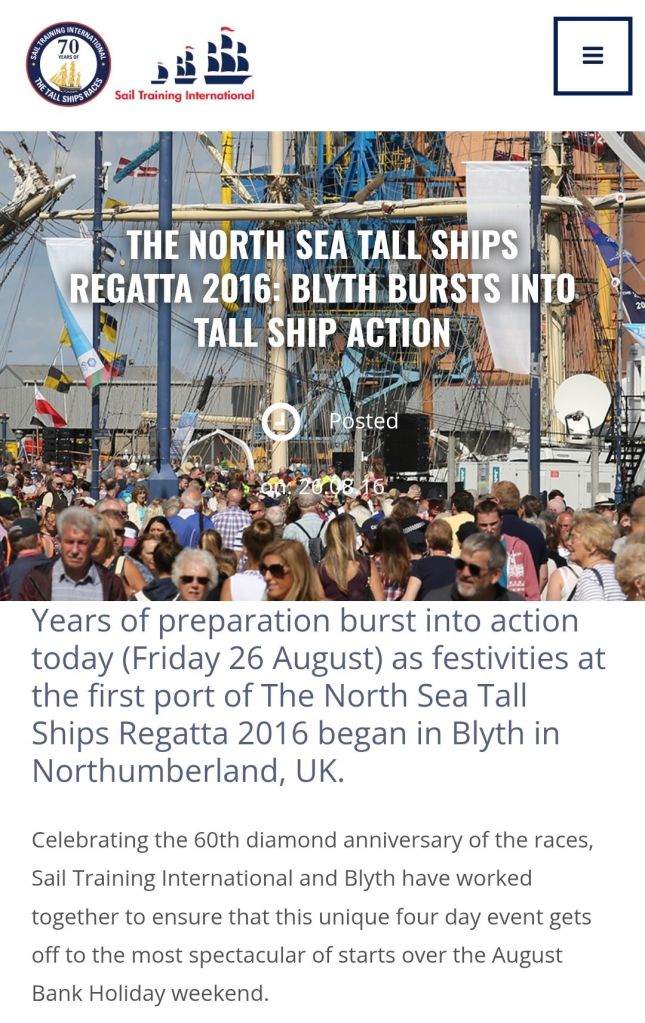
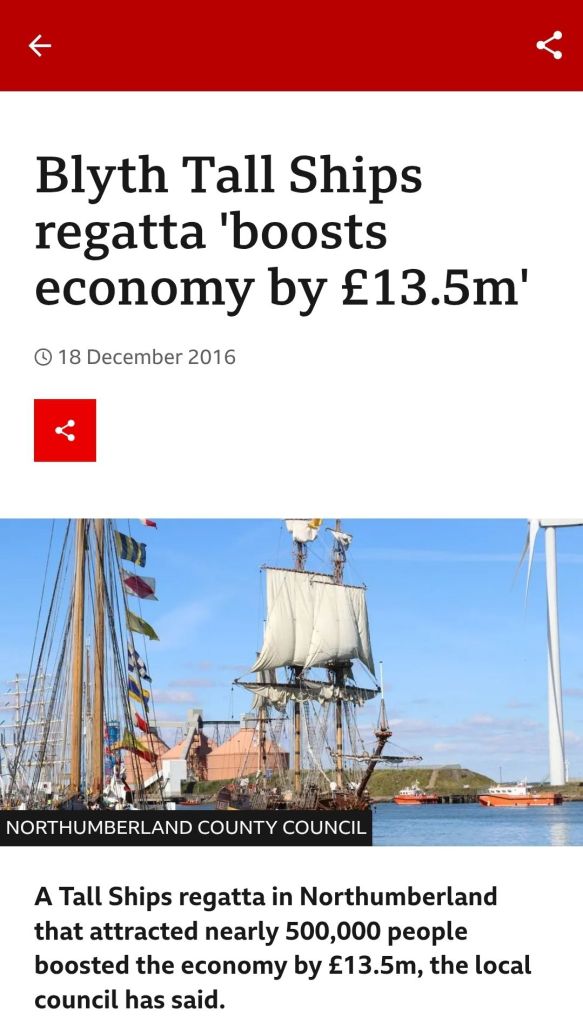
Leisure opportuntities are also significant; year round attractions like Seaton Delaval Hall or seasonal ones like Blyth Battery (World War 1 and 2 coastal fortification) have significant tourist draw, and major but short events such as the highly successful Tall Ships Regatta of 2016, which brought an estimated 500,000 visitors to the town, and £13.5m boost to the local economy could be made even greater with a long distance rail link to make reaching Blyth even easier should the event be repeated or something similar be hosted again in the port.
All of the above is a strong economic case to go beyond ‘just’ the Northumberland Line as it stands today, and use the existing link from Bedlington back to the East Coast Main Line (ECML) as soon as possible.
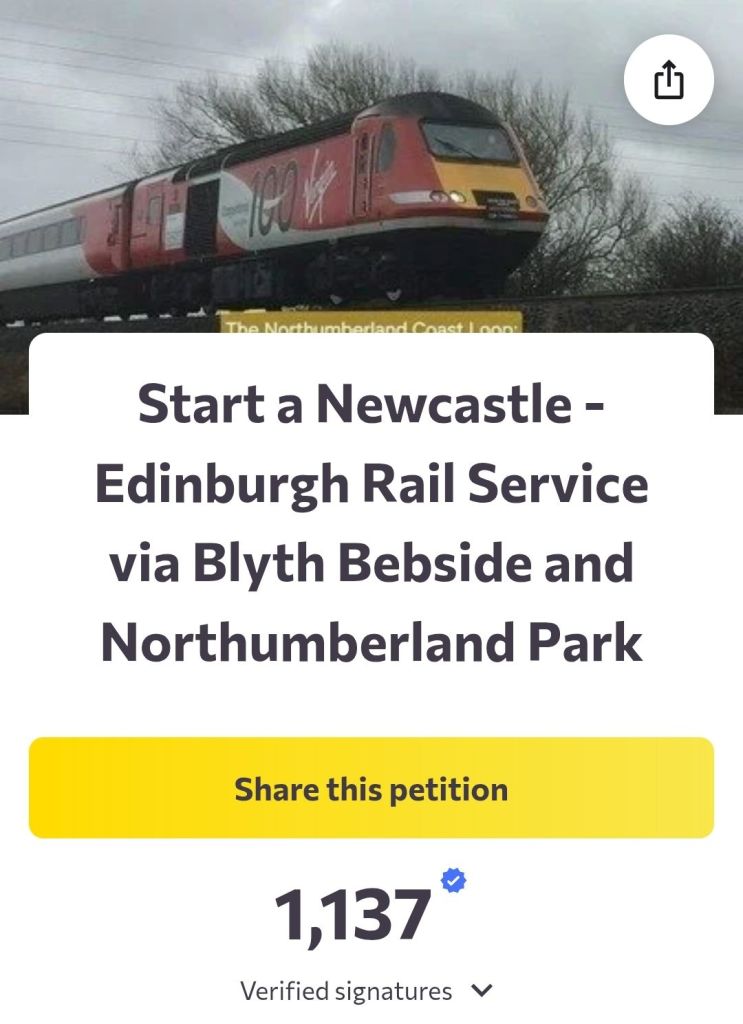
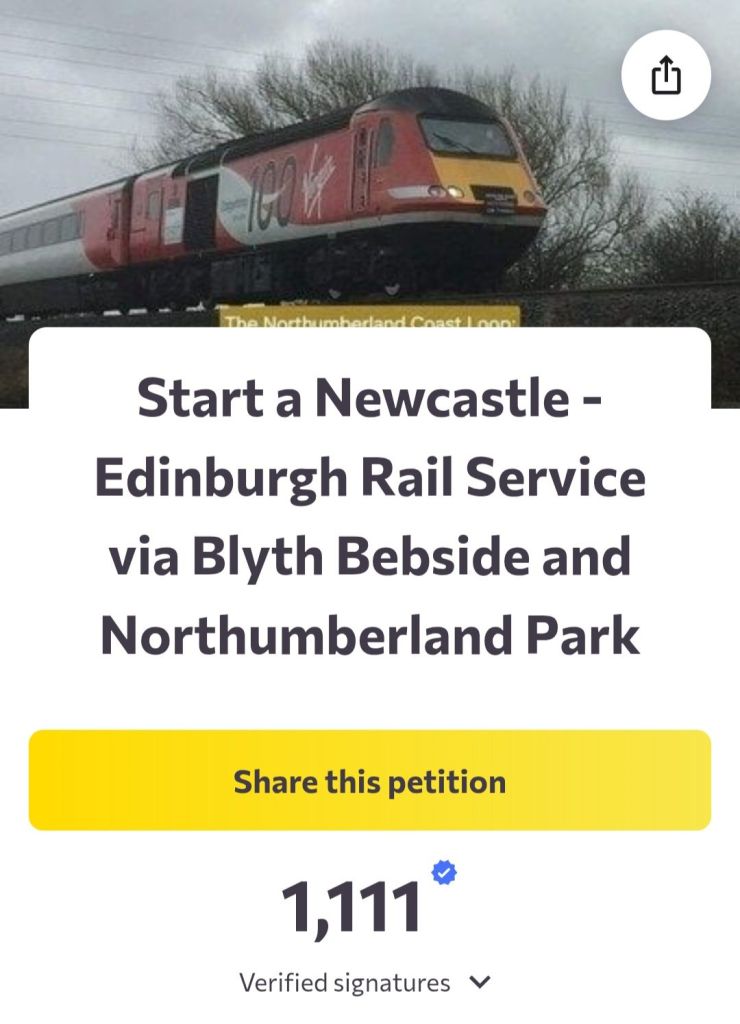
Petition for the Northumberland Coast Loop

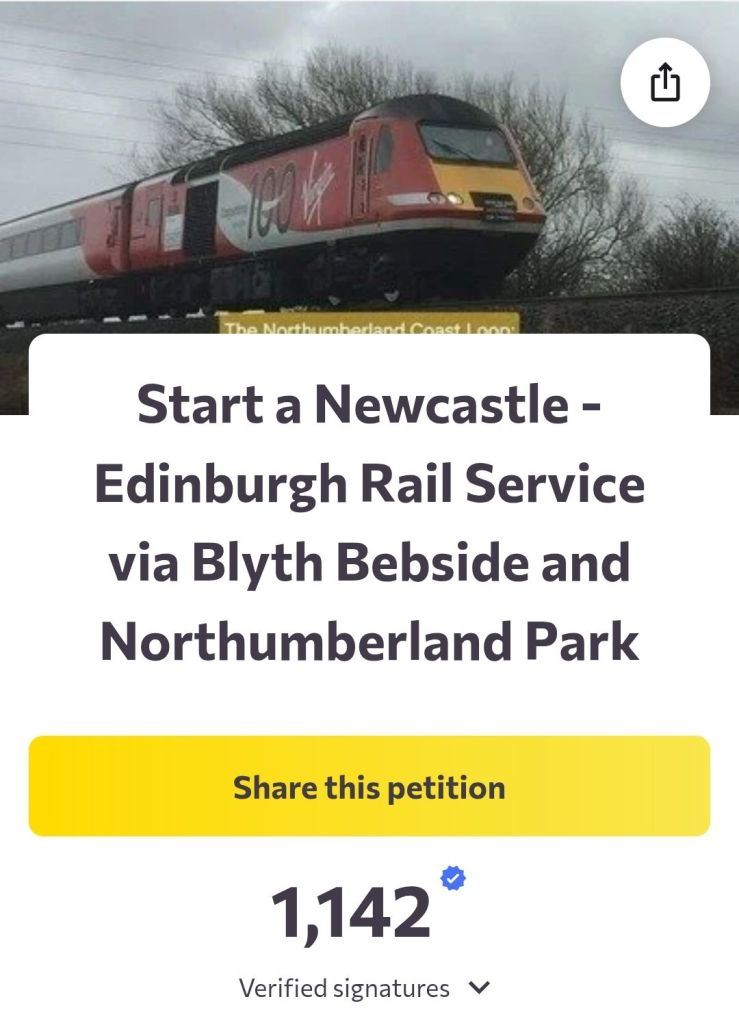
At the time of writing, the petition to support a rail service between Newcastle to Edinburgh via Blyth Bebside and Northumberland Park stands at 1,149 signatures.

Choppington Station: A clear candidate for reopening
Petition for reopening Choppington Station

With the huge success of the Northumberland Line, a clear candidate to be reopened would be Choppington station, which sits on two potential routes; the Northumberland Coast Loop route between Newcastle and Edinburgh via Bedlington, as well as the Bedlington to Newcastle via Morpeth route as advocated for by SENRUG.
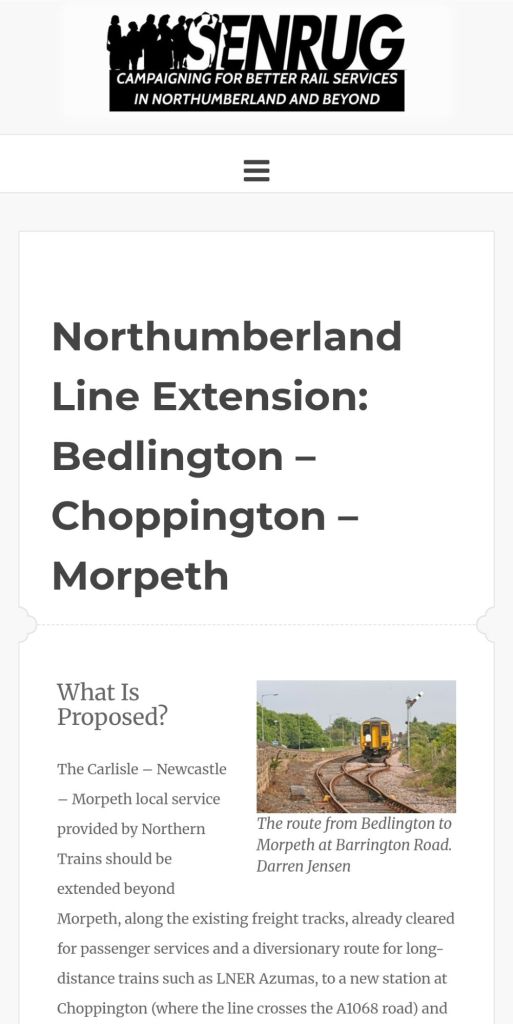
SENRUG webpage

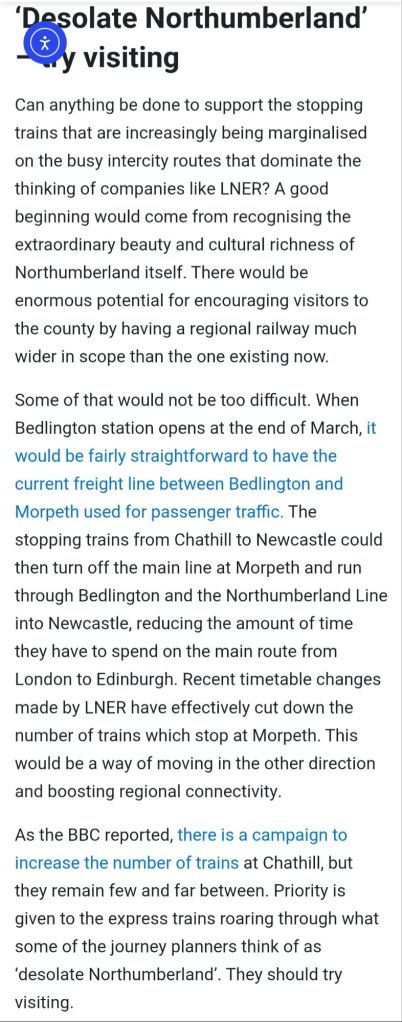
As stated on the SENRUG page, the route appears to be already cleared for passenger use, and rolling stock such as the LNER Azumas for diversionary purposes, so the barriers to both the InterCity N.C.L. route and Newcastle to Bedlington local trains would appear to be minimal.

A new station at Choppington, if sited close to the A1068 would provide a great interchange between rail and local buses using that road, and is within easy walking/cycling distance from large parts of Bedlington, Scotland Gate, Guide Post, and Choppington.

If you can, please support both the N.C.L route plus the new station at Choppington by signing both petitions!
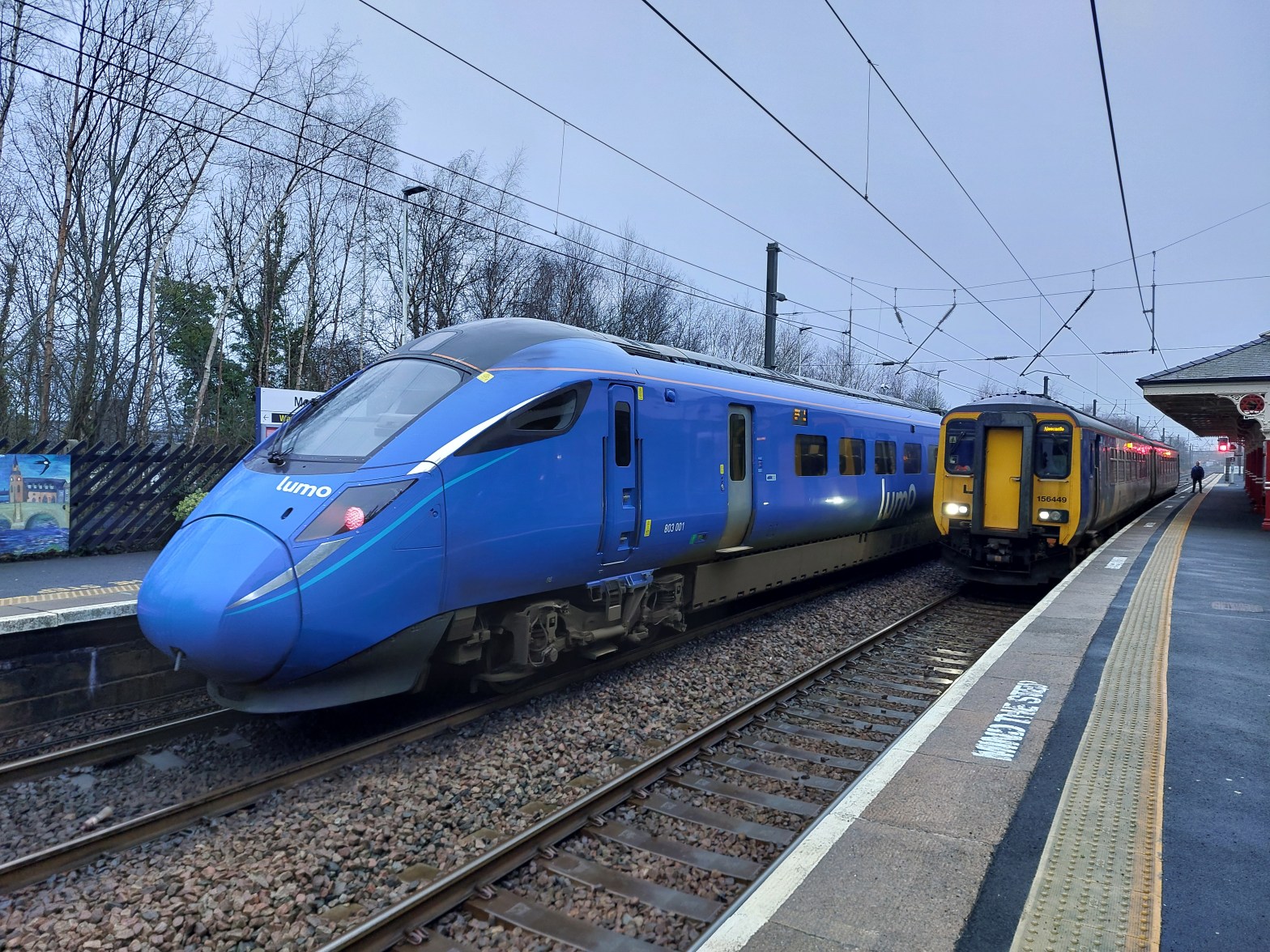
The Forth, Blyth and Tyne rail route update 21.3.26

A little update on the campaign to date!

Petition progress to date

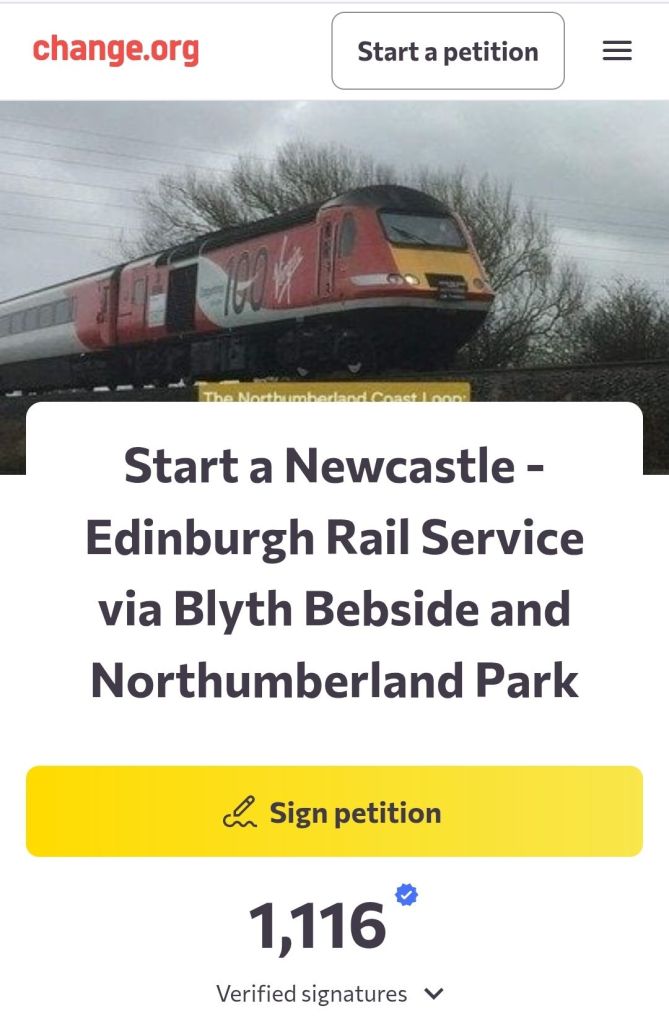
As of 21.3.26, the petition for the route (Start a Newcastle – Edinburgh Rail Service via Blyth Bebside and Northumberland Park on Change.org) now stands at an amazing 1,142 signatures, and steadily continues to grow. Please click the link above if you haven’t already done so.

The above petition is now well ahead of the 2008 SENRUG petition for the passenger reopening of the ‘Ashington, Blyth and Tyne Line’ submitted to 10 Downing Street which attracted 1094 signatures. Whilst now styled as the ‘Northumberland Line’, this route has to date seen over 1.2million passenger journeys, meaning one signature on a rail petition may represent around 1000 real railway journeys (1094×1000=1.09m).

Email correspondence with Cllr Glen Sanderson, Leader of Northumberland County Council

On New Years Eve 2025 (31.12.25) I again wrote to Cllr H.G.H Sanderson, following a previous email on 8th October 2024 which I received a same day response from, with both emails putting forward the progressing campaign for the Northumberland Coast Loop.

To date, I have unfortunately not yet received a reply from my email that was sent on the 31st December 2025, but with Bedlington station due to open on the 29th March 2026, marking the completion of the current scheme, I will once again raise the Northumberland Coast Loop with Cllr Sanderson with a few to taking the proposal forward.

Extra carriages and Newbiggin by the Sea extension announcement? 

In a recent video shared on Facebook by Cllr Daniel Carr, Leader of NCC Cllr Glen Sanderson referred to a recent North East Combined Authority (NECA) cabinet meeting that long-sought-after extra carriages were to arrive ‘very soon’ on the Northumberland Line (no actual date confirmed in video clip) and that £450,000 has been made available for a feasibility study into an extension to the Northumberland Line, and that a planning application could be submitted in 2028. It doesn’t refer specifically to Newbiggin by the Sea, but presumably this is the extension being referred to?

That is unless the feasibility study looks into both the Northumberland Coast Loop and Newbiggin by the Sea routes for expansion?

Confirmation on this would be good to see, but the Northumberland Coast Loop has a clear advantage in being a working, but fairly little used freight line through Hepscott connecting two very busy passenger railways (Northumberland Line and the ECML (East Coast Main Line) between Newcastle and Edinburgh together from Bedlington at the east end on the Northumberland Line to Morpeth and Pegswood on the ECML. This line has existed in the current layout since c.1980 when Morpeth North Curve was completed.

In contrast, the Newbiggin extension presumably relies on rebuilding a section of railway into the village, with a branch off the current line to Lynemouth Power Station in the region of where this line passes over the A189; this would need fairly significant earthworks to bring the old alignment to a suitable height to join the existing railway east of the A189 bridge, or even more so to clear the road (including a new bridge span) if the rail junction is placed on the west side of the A189 nearer to Woodhorn Museum?

As stated in many previous blog posts, trains have run on the Northumberland Coast Loop route for decades (as diversions or as railtours, with the last to my knowledge being ‘The Seven Counties Rambler’ to successfully run the route on 8th March 2025, just over a year ago.

To me, using ‘the loop’ route first to boost train capacity, and also to give new direct links perhaps makes the most sense over extending the line beyond Ashington; more trains on the ‘core’ section from Bedlington to Newcastle would add more seating capacity both in absolute terms, of the seats in each direction per hour, but also in terms of released capacity; a passenger starting from Ashington could transfer onto a northbound train via Hepscott at Blyth Bebside, which would then free up the seat on the route into Newcastle. Similarly, a person bound for Blyth on the ‘loop’ train would alight at Blyth Bebside, their seat being taken by the passenger from Ashington heading north.

Lets use the existing network to full advantage alongside the reopening long closed routes?

Thanks for reading, RH.

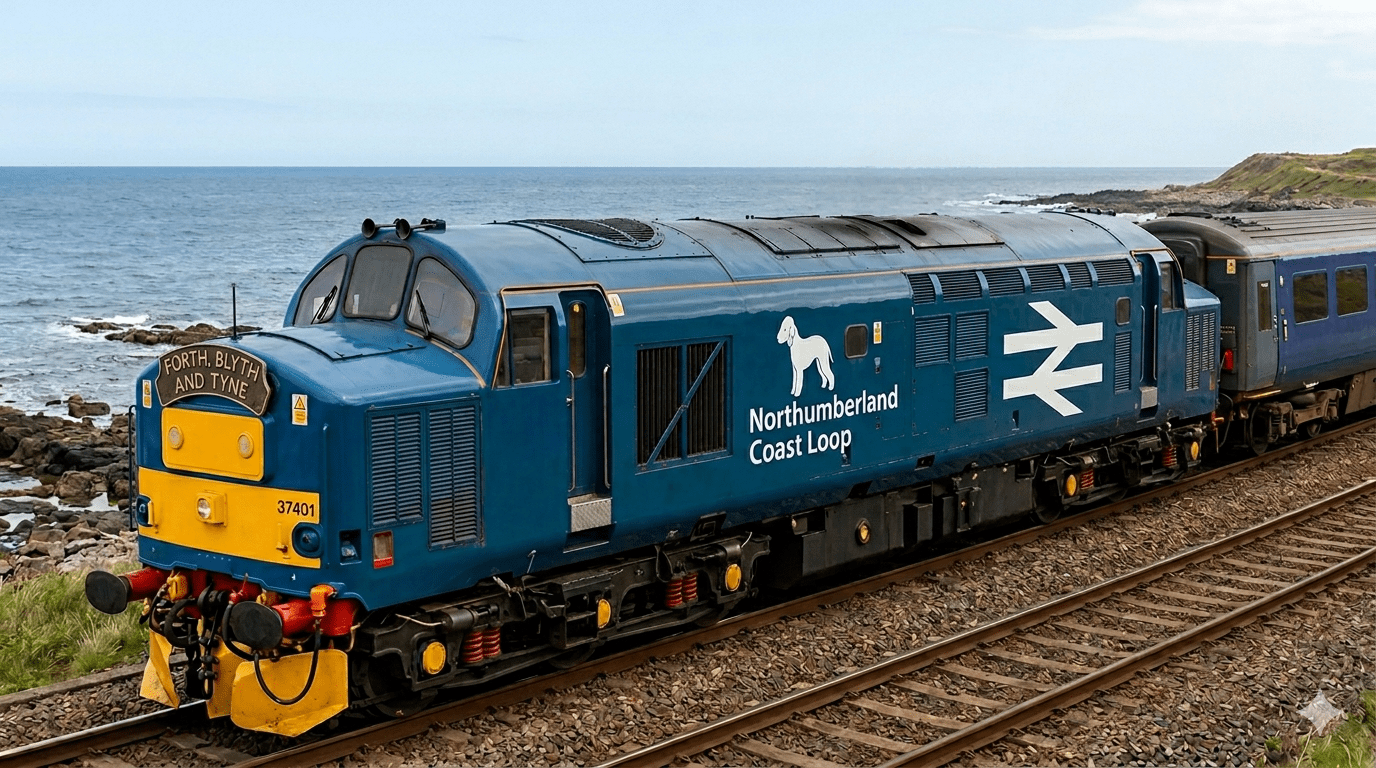
Please note: Header image created by GeminiAI, not a real locomotive/rolling stock/location.

NEWS: CRAG proposes more trains to stop at Chathill.

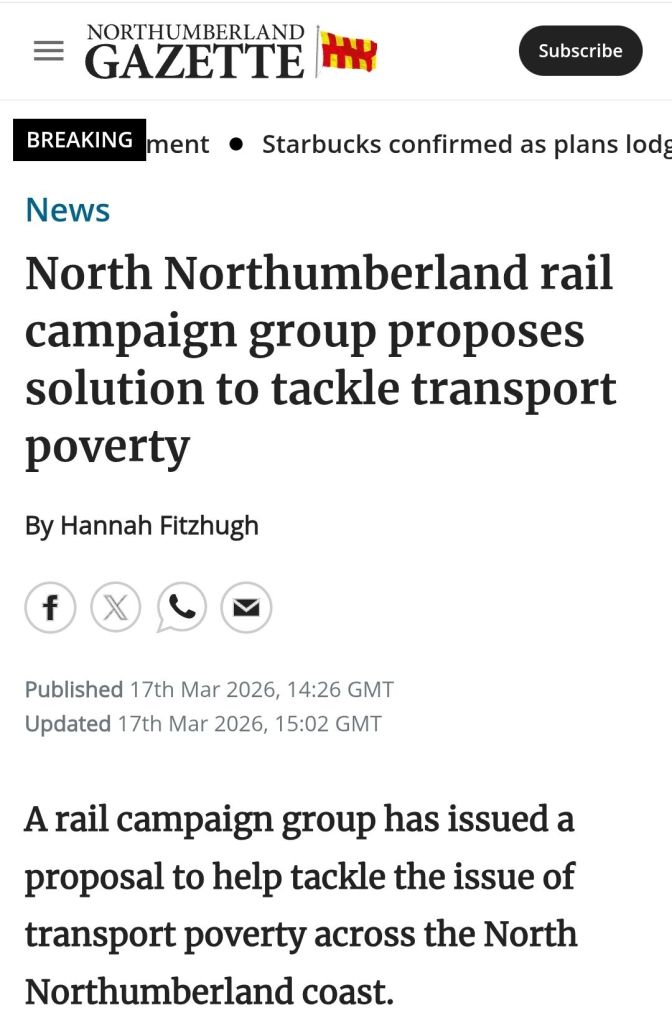
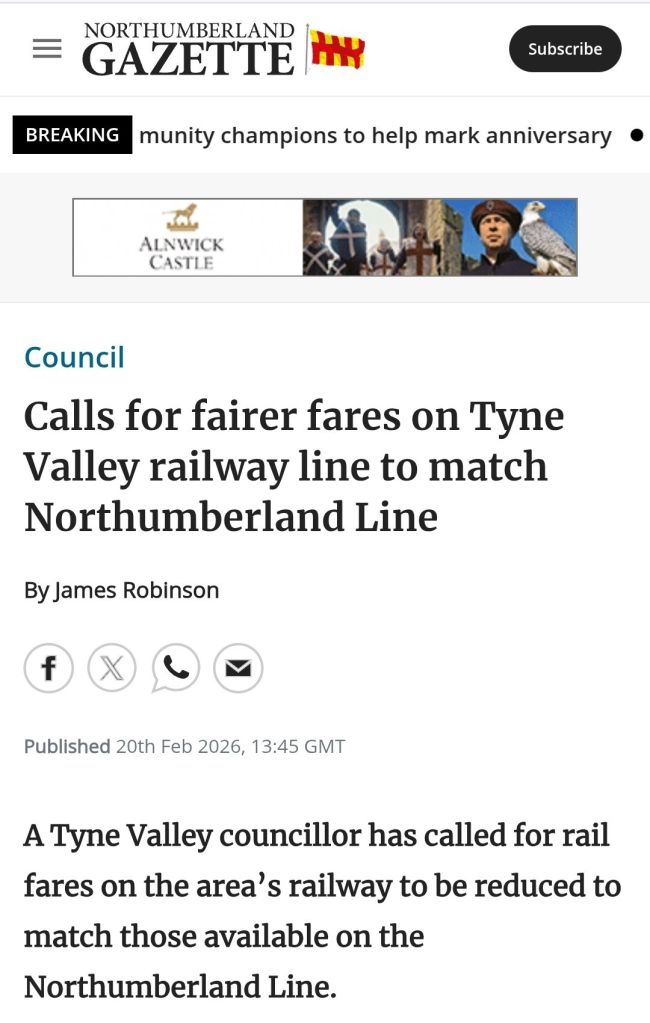
An article today in the Northumberland Gazette: ‘North Northumberland rail campaign group proposes solution to tackle transport poverty‘ discusses the proposal put forward by the Chathill Rail Action Group (CRAG) to help ease the transport poverty problem in North Northumberland, many residents of which don’t have access to a private car, but also places many at a huge connectivity disadvantage, which is covered in a separate article by the Northumberland Gazette below.

The currently underused station at Chathill only sees four trains each day, made up of two in each direction; comprising a morning and evening service, which comes from and returns to Newcastle Central operated by Northern, locally nicknamed the ‘Chathill Flyer’.

There are some hurdles (though not impossible ones) to overcome for a true local service (all stations between Newcastle and Berwick), but a potentially quick fix is put forward by CRAG to use other services.

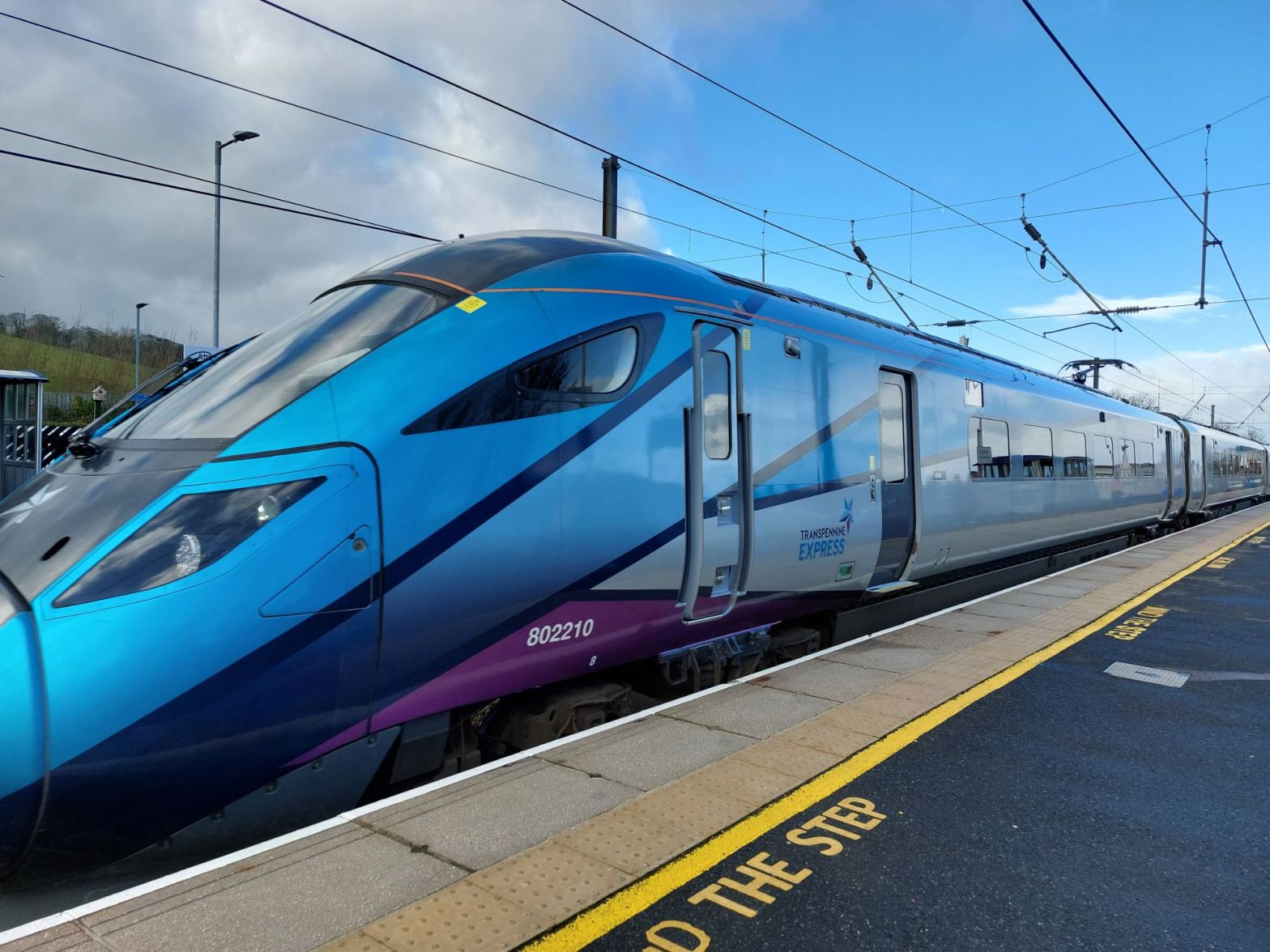
The CRAG proposals centre around stopping some of the TransPennine Express services that currently race through the station to give Chathill a more frequent and fast service, and serve this area of Northumberland which is located quite a distance from the other stations at Alnmouth and Berwick with a faster rail connection to both Newcastle, but also presumably all the way to Edinburgh too; reinstating a long lost northward connection from Chathill.

Small change for a big reward

The approach by CRAG is a reasonable one; using a small timetable alteration to an existing service to massively upgrade the service pattern at Chathill.

This service would be relatively modest compared to the services calling at Alnmouth or Berwick, but would put Chathill into a similar service pattern that is seen at Reston station just over the border in Scotland, and due to this better rail service, Reston station had 29,896 recorded passenger journeys in the 2024/25 ticketing year, compared to Chathill which in the same time period had just 1,580 passengers, 5.3% of the number travelling to and from Reston.

Reston railway station reopened in May 2022 after a £20m investment on the Scottish side of the border, but on the English side, a station open since 29th March 1847 (almost 179 years at time of writing) and never closed sees far fewer trains each day, despite being an asset that is arguably worth tens of millions of pounds when considered against a new station being built elsewhere, and being better utilised could be a massive economic boost to the North Northumberland economy.

Lets hope that CRAG sees success with their campaign, and TPE begins to call at Chathill sooner rather than later?

North Northumberland Students struggling financially to get to Newcastle by rail

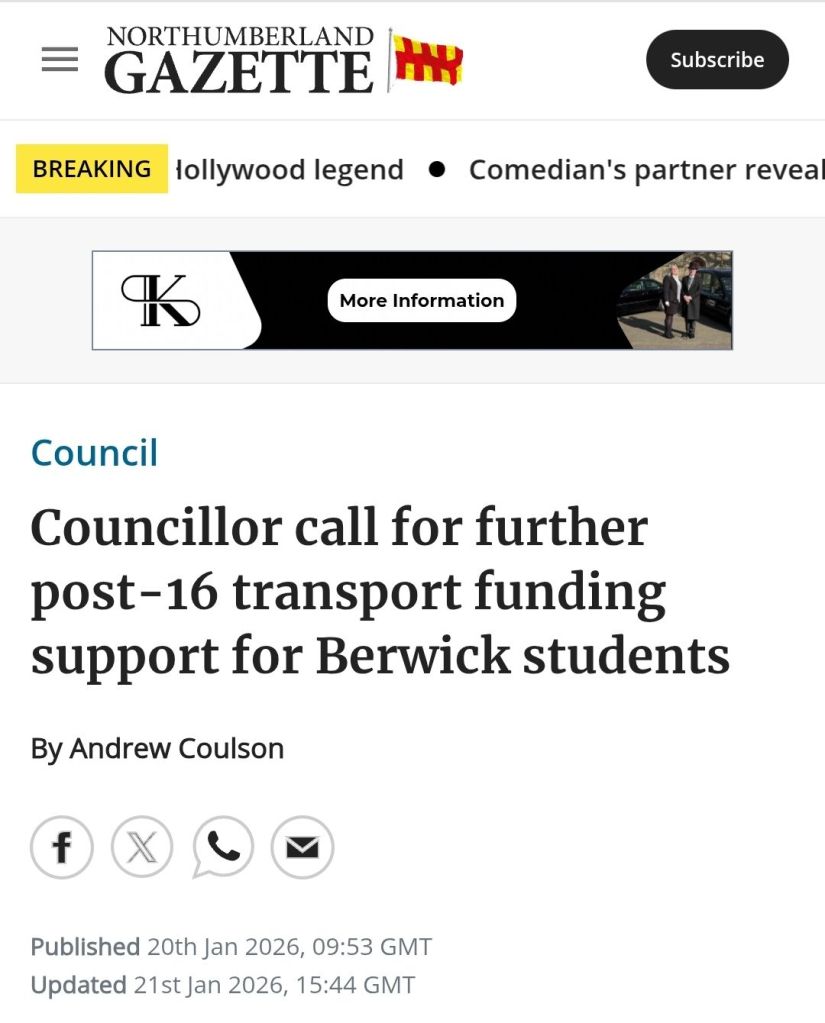
In a very similar vein to the CRAG post above, is this one from January 2026 and calls by Cllr Georgina Hill of Berwick for greater support for Northumbrian post-16 students in Berwick to have support to reach Newcastle to study.

Like the CRAG post above it highlights the important part the ECML plays in getting students (most of whom are too young to drive, and even if holding a licence are inexperienced and at higher risk than other drivers) to colleges such as those in Newcastle and to a lesser extent Ashington given the large distances involved in this very large county. 

At Berwick, the issue is more financially based due to the wider range of potential rail services already available, the issue being railcards changing from a larger discount of 50% to only ⅓ off after the students 18th birthday, meaning a much larger financial gap needing to be made up by parents or the students themselves.

In an ideal world, the brilliant value of the Northumberland Line fares might be extended onto other routes; this has already been called for along the Tyne Valley Line by Cllr Derek Kennedy of Hexham West Ward, but could also be extended north to Berwick along the ECML too.

Northumberland Coast Loop to reach College or University?

The issue of reaching colleges is also one that the Northumberland Coast Loop route could contribute to making easier; a direct link from Berwick, Chathill, and Alnmouth to Blyth Bebside would put Ashington within very easy reach by a short train trip from Blyth Bebside to Ashington, just one change of train and a much shorter journey.

In addition, colleges such as Tyne Metropolitan College in Wallsend could perhaps be more easily reached from Northumberland Park, as could Coach Lane campus of Northumbria University.

Better and cheaper rail connections for Northumberland

Taken together, it can be seen that Northumberland as a whole would clearly benefit from both a wide range of rail services into Newcastle direct, but also taking in the proposed ‘loop’ route via Blyth, which if extended beyond Newcastle onto the Tyne Valley Line to Hexham or beyond could offer an excellent ‘colleges connection’ service linking not only to Newcastle, but also those in North Tyneside and Ashington too.

As of 17th March 2026, the petition for the Northumberland Coast Loop stands at 1,137 signatures, but it is still open for even more signatures if you’d like to add yours!
NEWS: Arriva Service 3 starting soon!
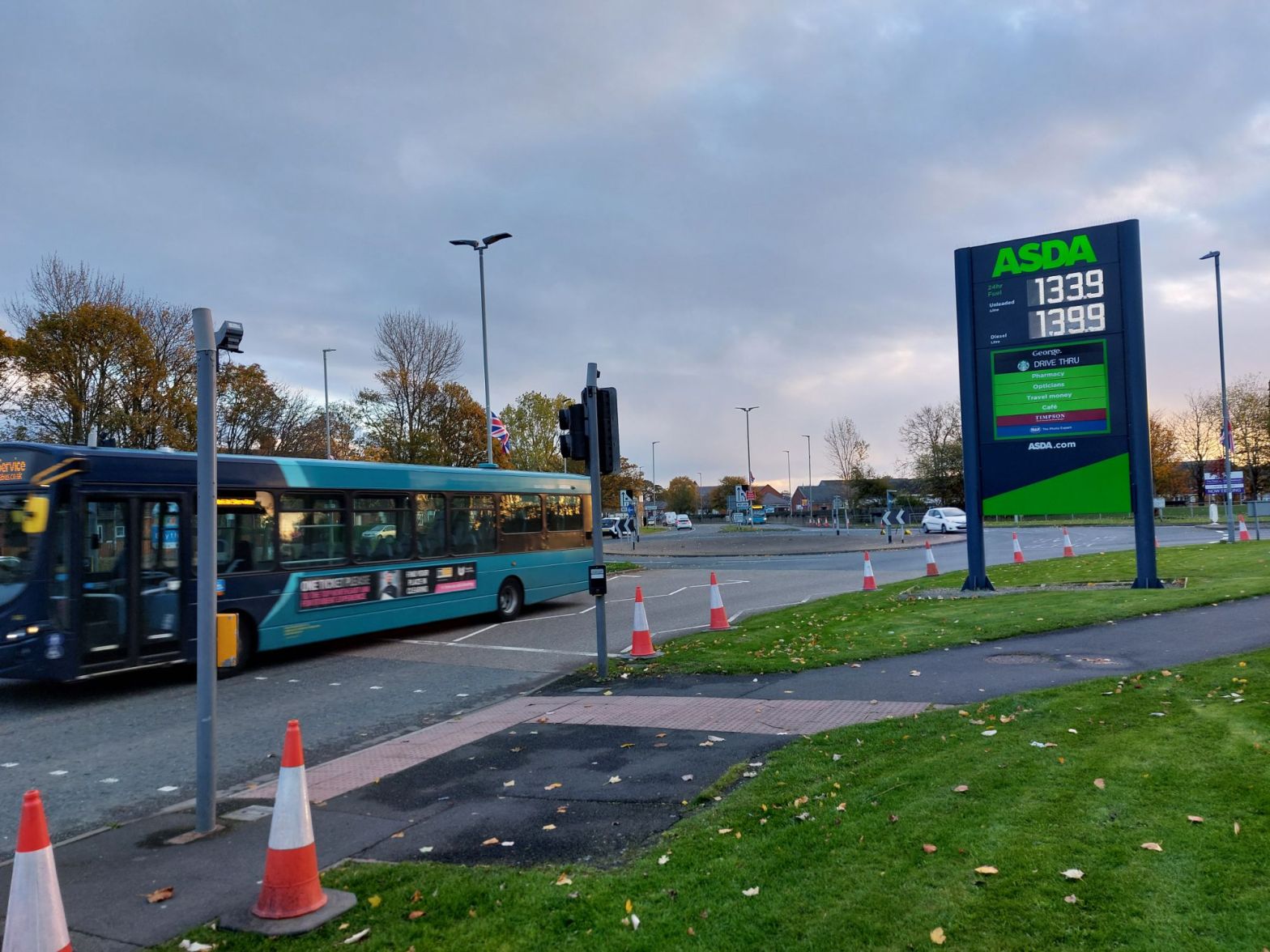
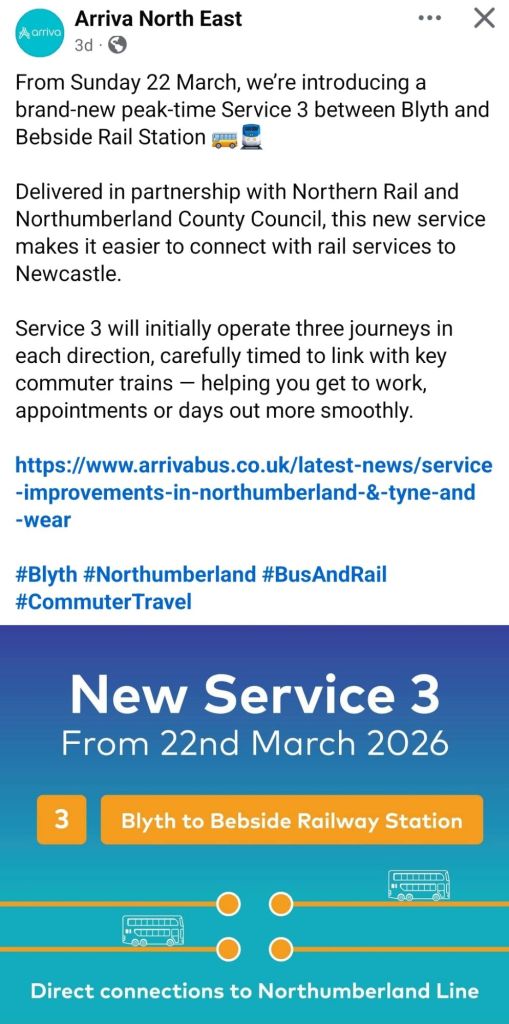
Please note that the new Blyth Bus Station to Blyth Bebside Railway Station direct bus service 3 starts on 22nd March 2026.

For more information, please click here: https://www.arrivabus.co.uk/latest-news/service-improvements-in-northumberland-%26-tyne-and-wear?fbclid=IwdGRzaAQl2o1jbGNrBCXaeGV4dG4DYWVtAjExAHNydGMGYXBwX2lkDDM1MDY4NTUzMTcyOAABHrcX9SZWtZYRjpg_At_LExalDEHG8X70h5TJMVq-9usTz-PvrR8ZbIEgCgYT_aem_5BbwtB-Nw-mdU7sspZPuiA

NEWS: NEPTUG Northumberland Branch

It was a delight yesterday (Wednesday 4th March 2026) to be a part of establishing the Northumberland Branch of the North East Public Transport Users Group (NEPTUG).

There are branches for most parts of the North East active, with the branches covering local authority areas, so there is a Newcastle Branch and North Tyneside Branch respectively for those council areas.

More info will be coming soon from NEPTUG itself, but if you’re interested in being part of it, which will cover rail, buses, and any other public transport in Northumberland, please take a look at their website here: https://neptug.org.uk/

NEWS: Arriva Service 3: Blyth Bus Station to Blyth Bebside Railway Station

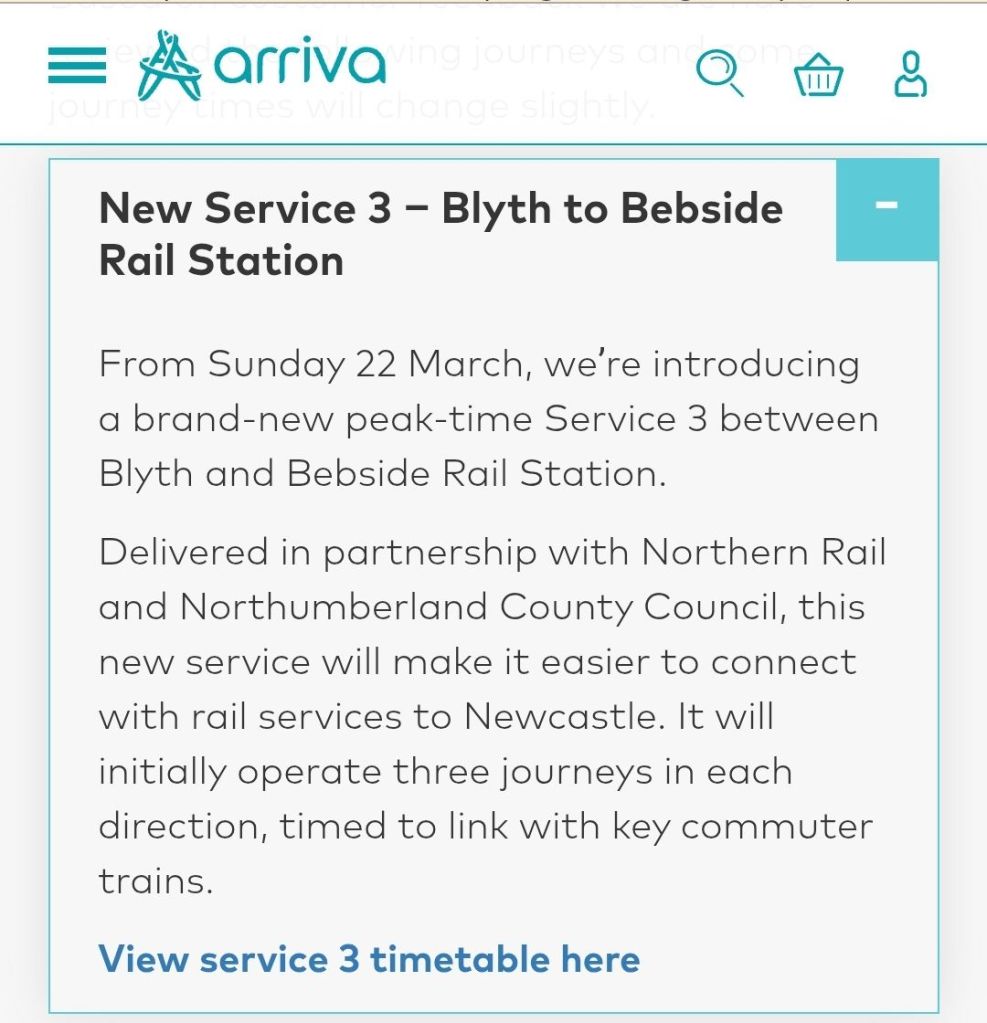
In recent news from Arriva, the major local bus operator in Blyth, Northumberland; there will be starting on Sunday 22nd March between Blyth Bus Station in the Town Centre and Blyth Bebside railway station on the Northumberland Line.

Announcement on the Arriva bus website 4.3.26

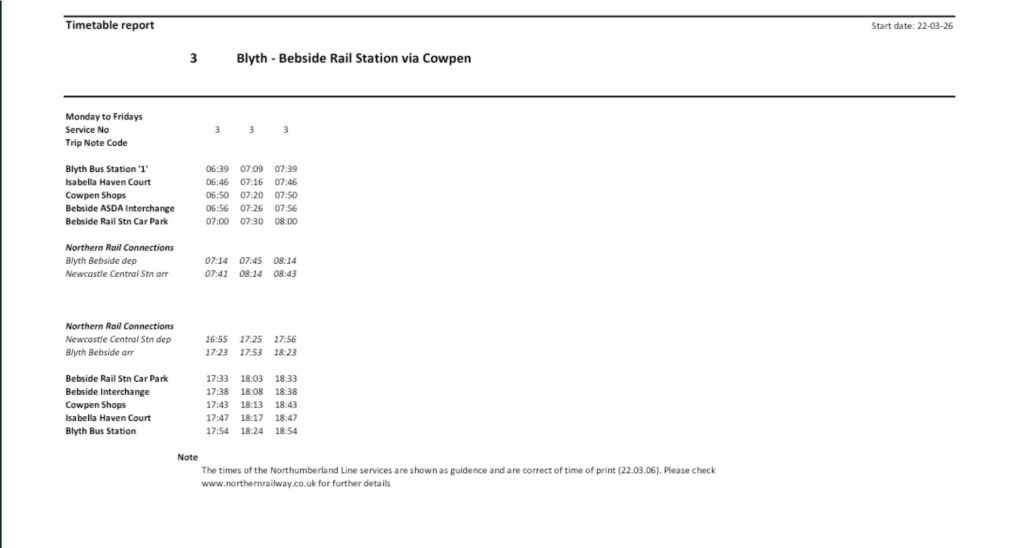
This bus will work three morning buses in each direction leaving the bus station at 06:39, 07:09, and 07:39, arriving at Blyth Bebside station at 07:00, 07:30, and 08:00 respectively, with a decent 14-15 minute margin to meet the 07:14, 07:45, and 08:14 Northern trains towards Newcastle.

Timetable for the No. 3 bus as of 4.5.26

In the evenings; the No. 3 bus will depart Blyth Bebside railway station at 17:33, 18:03, and 18:33, having met the 16:55, 17:25, and 17:56 Northumberland Line trains leaving Newcastle. These three buses will arrive back to Blyth Bus Station at 17:54, 18:24, and finally 18:54.

A great sign of bus and rail intergration between the Northumberland Line and local buses at Blyth Bebside, and hopefully a good starting point for this link to be made more frequent throughout the day and with a greater service span (first bus to last bus on the route).

Please click the link below for further information direct from Arriva.

https://www.arrivabus.co.uk/latest-news/service-improvements-in-northumberland-&-tyne-and-wear#:~:text=From%20Sunday%2022%20March%20and,link%20with%20key%20commuter%20trains.

Almost a year on since ‘The Seven Counties Rambler’; need for the Northumberland Coast Loop and six years of Northern being in the DfT.

Today, the 1st of March 2026, is just a week ahead of the first anniversary of ‘The Seven Counties Rambler’ operated by the SRPS (the Scottish Railway Preservation Society) which ran on the 8th March 2025.

Circular Tour: Linlithgow to Linlithgow via Carlisle, Preston, Newcastle, Bedlington, and Edinburgh

A huge circular route around Scotland and Northern England, ‘The Rambler’ began and ended at Linlithgow, heading to Edinburgh, before turning around via some less used lines in Edinburgh, towards Glasgow, then south to Carlisle, and down to Preston via the beautiful Settle and Carlisle Line, before going back to Carlisle up the West Coast Mainline, then along the Tyne Valley Line to Newcastle.

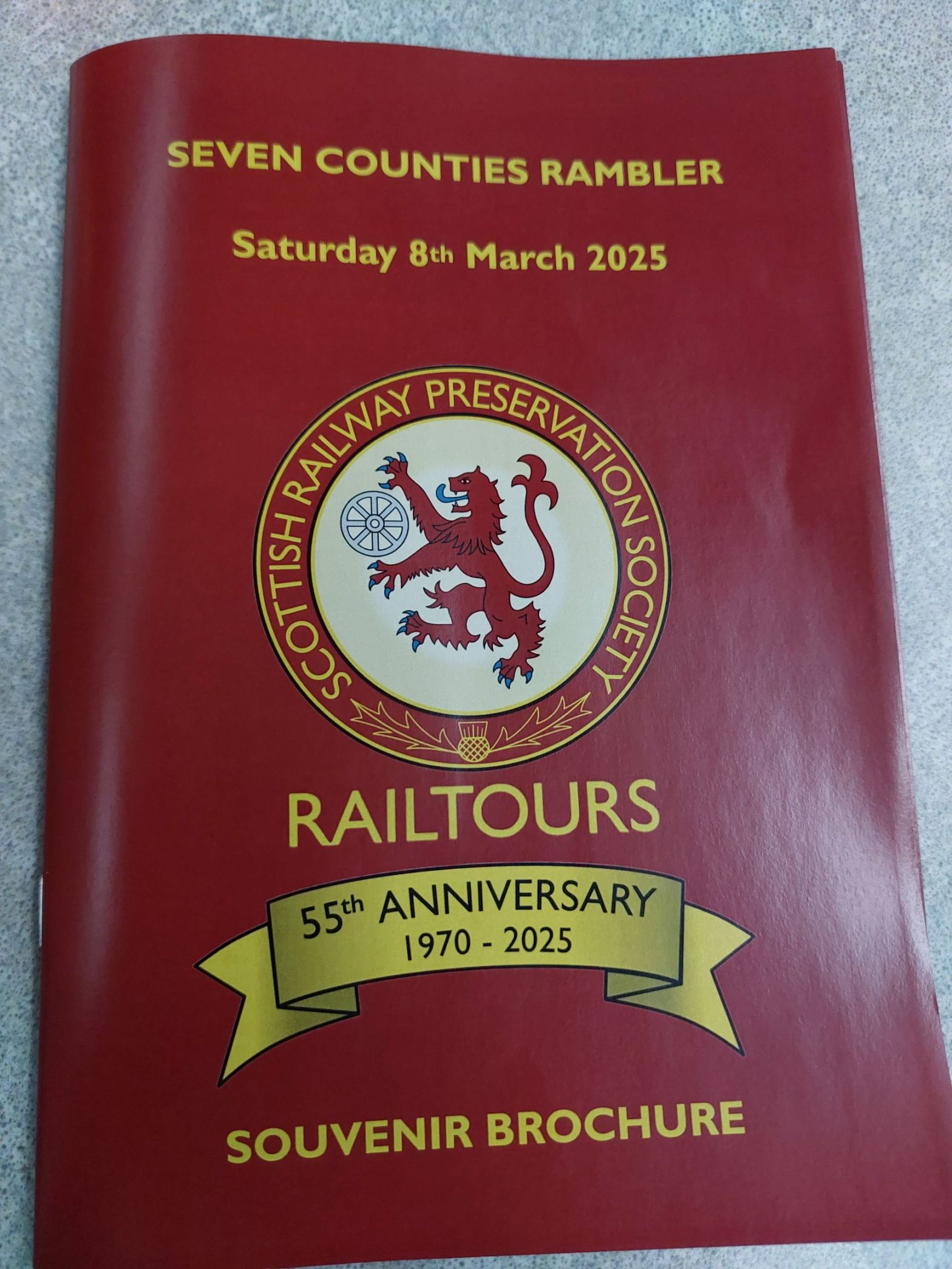
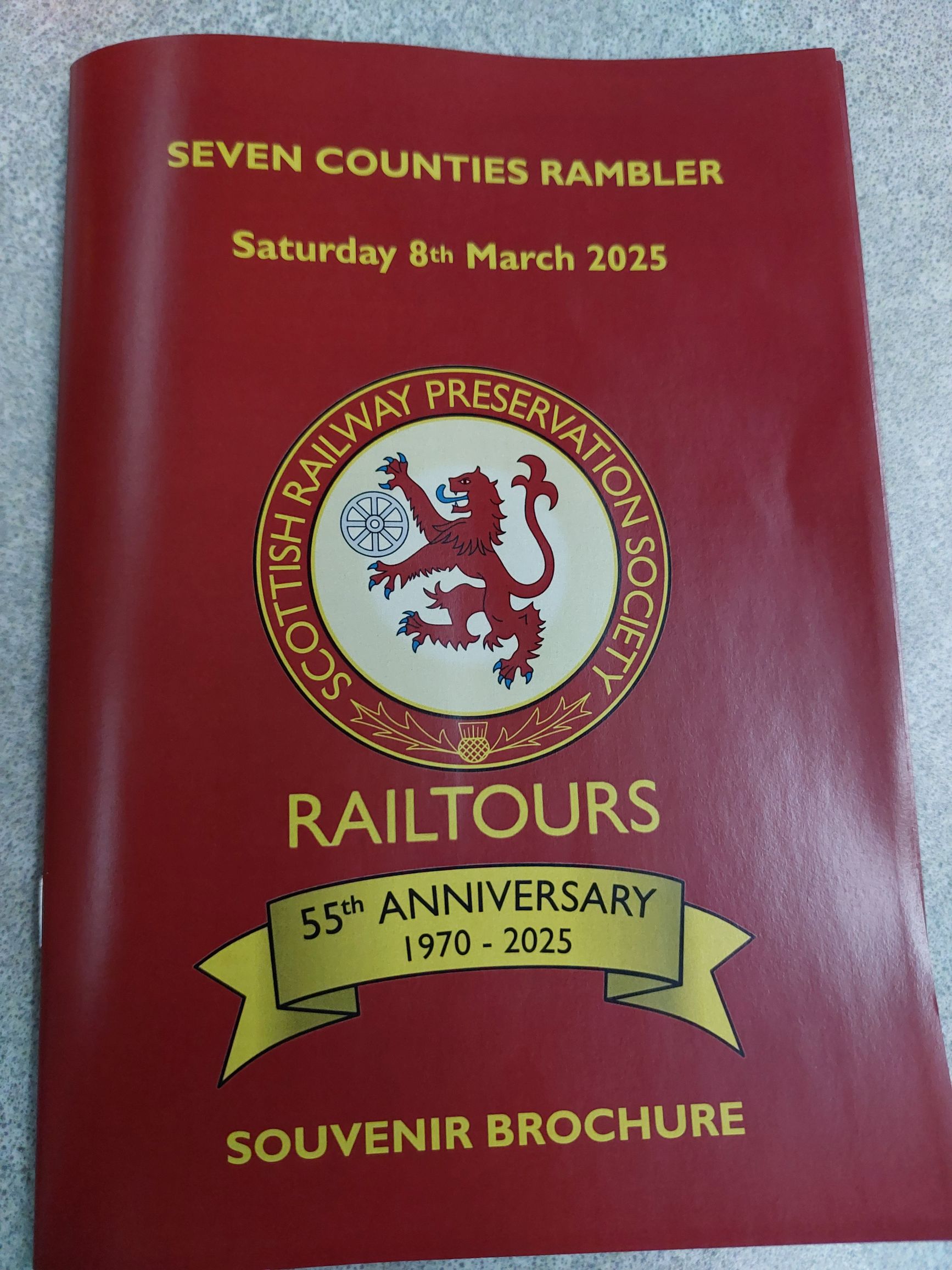
My copy of the Souvenir Brochure from the SRPS ‘The Seven Counties Rambler’.

The final leg; Newcastle, Bedlington, and Edinburgh back to Linlithgow

The final leg back to Linlithgow was the interesting part for me, and its relationship to this campaign; as from Newcastle Central, it took then then very recently reopened Northumberland Line to Bedlington, which at the time had only Seaton Delaval station open between Newcastle and Bedlington (Ashington is not on the route, it sitting on the former Newbiggin Branch, itself morphed today into a branchline to Lynemouth Power Station), then using the still freight only line headed west from Bedlington towards the village of Hepscott, just outside of Morpeth.

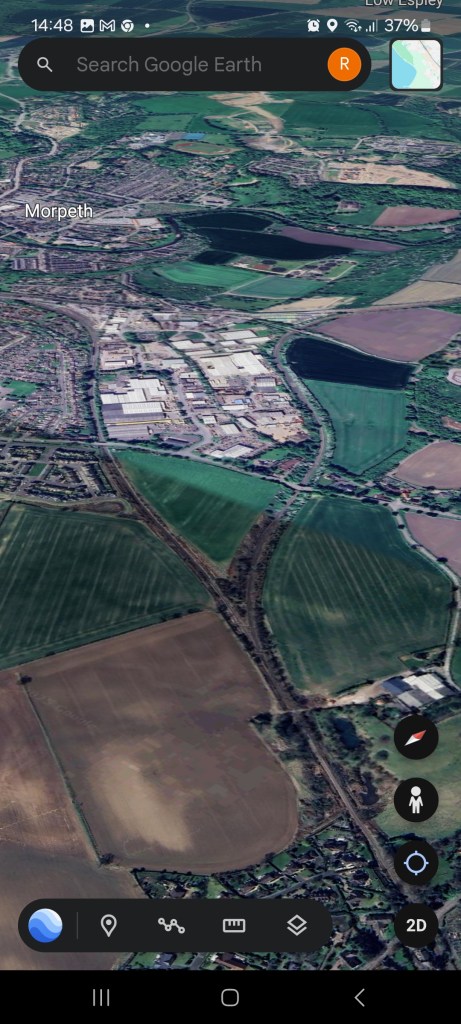
Google Maps aerial view of Hepscott (bottom of image) showing the two routes, left to Morpeth Station and direct towards Newcastle, or right towards Pegswood, Alnmouth, Berwick, and Edinburgh.

At Hepscott, at the junction that quite logically is called ‘Hepscott Junction’, allows a further choice; the left hand route from Bedlington heads towards Morpeth station, and if taken would have routed the train back toward Newcastle Central, but instead the train took the right hand route, which curves north towards Pegswood Viaduct over the River Wansbeck towards the village of Pegswood and then north along the East Coast Main Line (ECML) back to Edinburgh, and then the conclusion of this epic day trip back in Linlithgow where it had started in the wee hours on the morning!

Route map of The Seven Counties Rambler showing section from MetroCentre to Reston via Bedlington and Pegswood in a report prepared for North Northumberland MP David Smith.

The Northumberland Line a year on; and the need for the Northumberland Coast Loop is clear.

Almost a year on, the vast majority of the then incomplete stations that the railtour passed through are now open, only Bedlington is still awaited, but is due to open at the end of this month on Sunday the 29th March 2026.

The line has, despite delays in opening the route initially with only Ashington, and Seaton Delaval stations in December 2024, the other stations at Newsham, Blyth Bebside opening during 2025, and now Northumberland Park and Bedlington opening and the latter due to open in 2026. 

Despite the delays, the line has been a HUGE success in terms of passenger numbers, with well over a million passengers now having used the line, and potential to reach two million by the end of 2026, with the line compete in just a few weeks once Bedlington is finally opened to the public.

While many people such as myself were very optimistic for the success of the line ahead of it being opened; I wouldn’t have even dreamt of the volume of passengers (over a million to date) using the line so early after opening, and especially when the scheme has been beset by delays and more delays.

No extra Northern trains until new units arrive in the 2030’s.

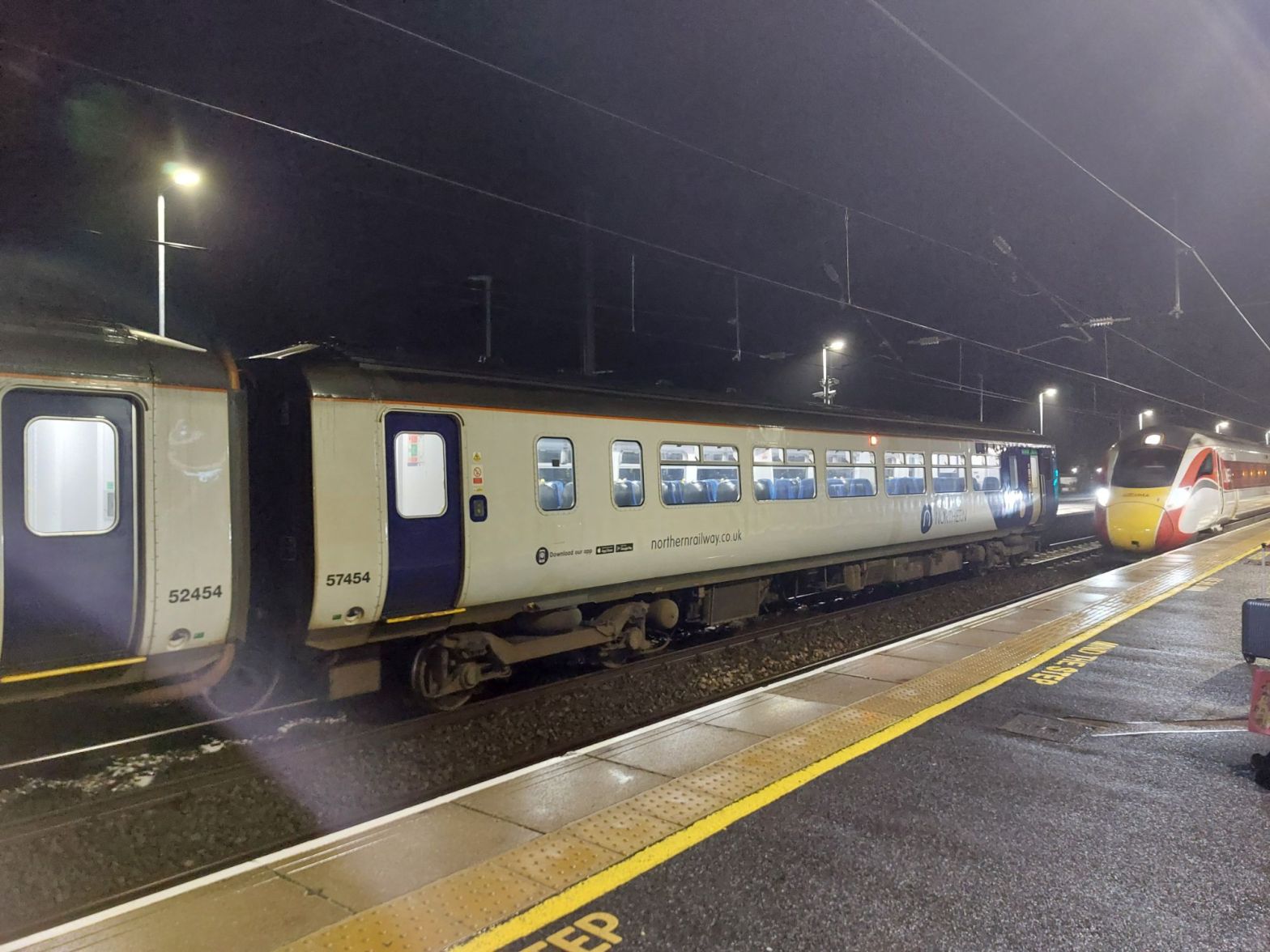
The busy line presenting itself as an issue for Northern, the Government run train operator (was taken back in-house from Arriva and has been run directly by the Department for Transport Operator since 1st March 2020, so six years today) which is the exclusive operator of passenger trains at present but has a shortage of Class 156 and Class 158 trains that are used on the line, meaning services are just two carriages rather than four, leading to trains being very crowded and complaints arising from people not being able to find a seat.

Northern is in the process of beginning procurement of new trains (which hopefully might be a minimum of four carriages in length as standard, avoiding having any two car trains at all), but there will be some years between ordering new trains and them being built, delivered, and entering service.

Diverting existing trains between Newcastle and Edinburgh via Bedlington

The solution this campaign is putting forward is to instead pull some of the wider range of rolling stock available that currently plies between Newcastle and Edinburgh via Cramlington and Morpeth to instead run a handful of services via the ‘loop’ between Pegswood and Manors via Bedlington.

This would mean that extra trains could serve the ‘core’ part of the Northumberland Line from Blyth, the largest town in Northumberland into Newcastle, bringing extra seats onto the line and easing the overcrowding of the existing services.

Some other branded trains, like TransPennine Express (TPE) are, like Northern, run by the DfT Operator (DfTO), effectively one ‘company’ with separate branding, much like British Rail had trains in different branding for different services being operated. LNER is another train operator that is directly run by the DfTO, it is just a coat of paint and different colour scheme within the train and on staff uniforms, but the same back office staff all three of these train services north of Newcastle, and as time goes on, more train operators are being brought into the DfTO.

This means that if decided by the DfTO, there shouldn’t be any great barrier to running some TPE, or LNER trains via Bedlington rather than Morpeth or Cramlington, if desired.

The lack of overhead wires isn’t a major issue, as many of those running on the ECML are bi-modes, able to run on both electric overhead power at 25kV AC, or use their fitted diesel engines when ‘off the wires’, as can be seen below from diverted LNER trains going along the Tyne Valley Line (Newcastle to Carlisle via Hexham) below.

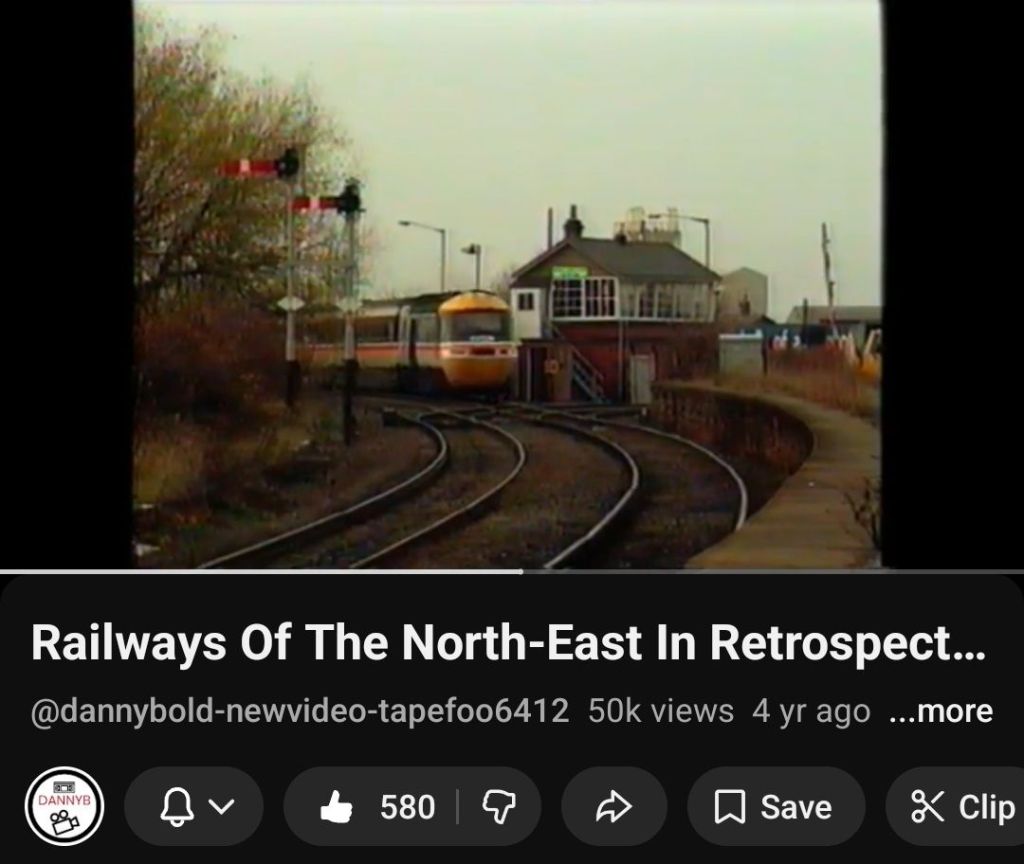
LNER diverts at Dunston station (video found on YouTube)

In the longer term, this route is one that would benefit from electrification at 25kV AC so that 100% electric trains could be used on this route too, but for now bi-modes are practical proposition for a very quick way to get more trains running and boost the capacity of the Northumberland Line into Newcastle. 

This route also offers a direct route northwards from towns like Blyth into North Northumberland and Scotland, using an existing line, which would cut journey times and the need to change trains by going via Newcastle, and could further boost the positive economic impact of the Northumberland Line for very little if any additional investment.

The line from Bedlington to Morpeth North Junction, where the freight only line joins the East Coast Main Line (ECML) has existed since 1980 (the opening of Morpeth North Curve, most of the route existed for over a century before that linking Morpeth station to Bedlington), yet today it only sees a handful of trains each week at most.

Using this arguably underused link to boost the capacity of the Northumberland Line, as well as bring new direct routes into play would be a massive economic opportunity for very little extra expenditure; the track and junctions are all there and used regularly if infrequently and the stations are complete and open, with Bedlington due to open in a matter of a few weeks.

Petition and put a call to Parliament

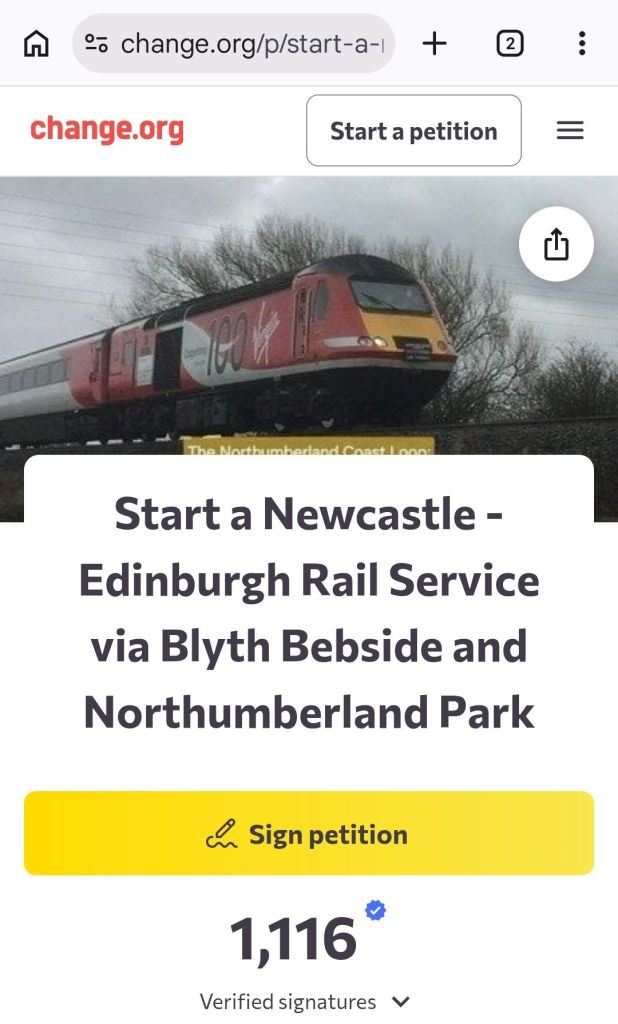
If you support this route being opened up, please sign the petition: https://www.change.org/p/start-a-newcastle-edinburgh-rail-service-via-blyth-bebside-and-northumberland-park, which has already received 1,116 signatures to date, and if you live locally in the consituencies along the route, represented in Northumberland by:

David Smith MP (Berwick Upon Tweed, Chathill, Alnmouth, Acklington, Widdrington, and Pegswood stations)

Ian Lavery MP (Bedlington, Blyth Bebside, and Newsham stations)

Emma Foody MP (Seaton Delaval, and Northumberland Park stations)

Please write by post or by email to them, and ask for their support for the ‘Northumberland Coast Loop’, and explain why you feel it would be useful to you, the more support the proposal gets, the more likely it’ll be made a reality.

Please also reach out to your local Northumberland County Councillors to also raise this route with the council for its support.

Response to Cllr Hunter: The real safety solution to the A1 could be better use of the ECML in Northumberland for passengers and freight.

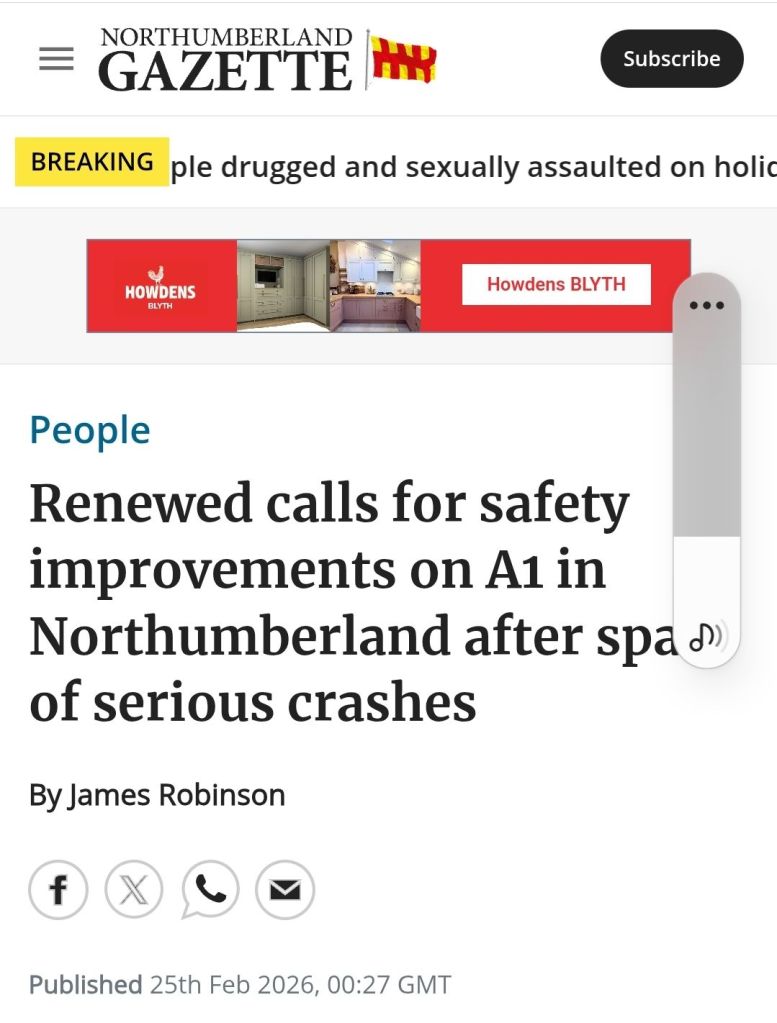
A recent article in the Northumberland Gazette states ‘Renewed calls for safety improvements on A1 in Northumberland after spate of serious crashes’ by local Councillor Isobel Hunter (Cllr Hunter) who represents Berwick West with Ord area in Berwick Upon Tweed, who has raised that the dualling scheme for the A1 between Morpeth and Berwick ‘should not be forgotten’.

Headline from the Northumberland Gazette article quoting Cllr Hunter.

To quote Cllr Hunter from the article, ‘The Government has said it will do minor improvements, but that won’t stop all of these crashes. We need to have the A1 dualled.‘

The dualling of 13 miles of the A1 between Morpeth and Ellingham was officially cancelled quite some time ago, and was announced to be expected cost in the region of £500m, in my view, as as the case is outlined below, if safety is the main target, then transferring traffic to trains from the road is potentially the best way to deliver that outcome.

£500m being spent on the ECML between Newcastle and Edinburgh to carry out known capacity interventions could be truly transformative, and even if a sum of money in that order of magnitude was to be split between A1 safety interventions and rail capacity enhancements, it could result in great benefits for Northumberland as outlined below.

Tourism by train

Another aspect is the tourist volumes who visit North Northumberland, which puts added strain onto the A1 and importantly many of the rural roads connected to it, and the excessive volumes of cars are a separate but equally important issue for Northumberland, which is heading down the same route as the Lake District in terms of access by car bringing a huge set of issues with it.

If more tourism by rail can be encouraged, it is a clear win-win for Northumberland; tourists still visit, yet they are coming without their cars, meaning our towns and villages will be much less congested, but will still thrive from visitors coming and spending in the local economy.

If dualling is taken forward as ‘the solution’, then it puts further pressure onto rural and urban roads that cannot cope now, only exacerbating current problems with parking and traffic congestion.

If public transport is instead put at the heart of planning for the area, and rail is coordinated with buses for onward travel to places away from the railway stations and getting back again, then it can be a much more viable option.

For many establishments such as our many great pubs and bars, there is further advantages in public transport that visitors can enjoy locally brewed beers or other drinks without one in a couple of group having to be the ‘designated driver’, that responsibilty handed to the bus and train drivers, and itself a potential market for pub businesses on a circuit.

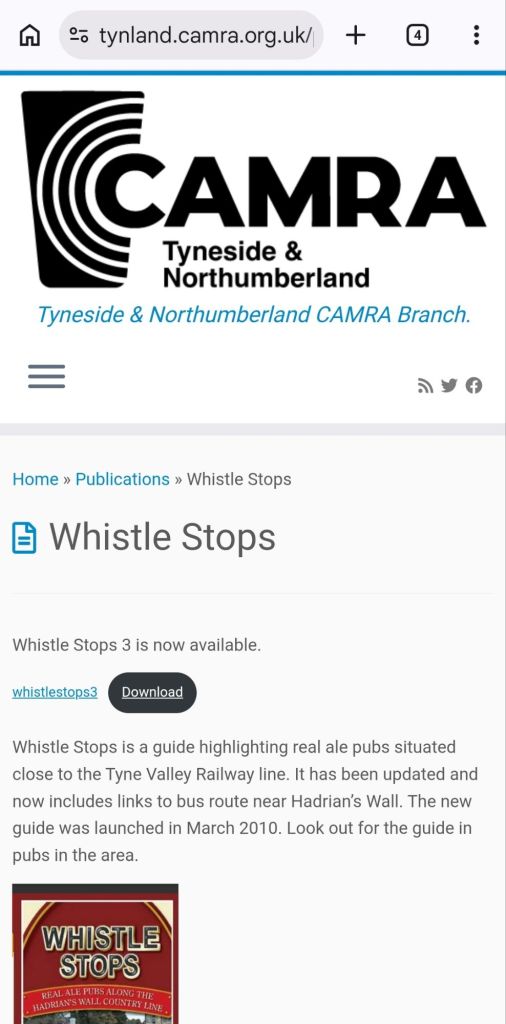
An example of this is the CAMRA ‘Whistle Stops’ guide for the nearby Tyne Valley Line, highlighting real ale pubs within easy reach of the stations on that line.

‘Ale by Rail’ on the Tyne Valley Line between Newcastle and Carlisle, a similar promotion could be applied between Newcastle and Berwick (via Morpeth and/or via Blyth) with better rail services for the area.

Drink and driving a car is a clear example of two things that are incompatible, and rightly shunned by society due to the devastating consequences of alcohol related road accidents.

Public transport is, however, an elegant solution to this, as punters going for pints or a Piña Coladas (other drinks are available) they can travel out to enjoy them, and importantly travel back safely for themselves and others. It would keep our fantastic venues open and thriving, whilst keeping people safe, again, a win-win surely? 

Dualled roads are still deadly and dangerous

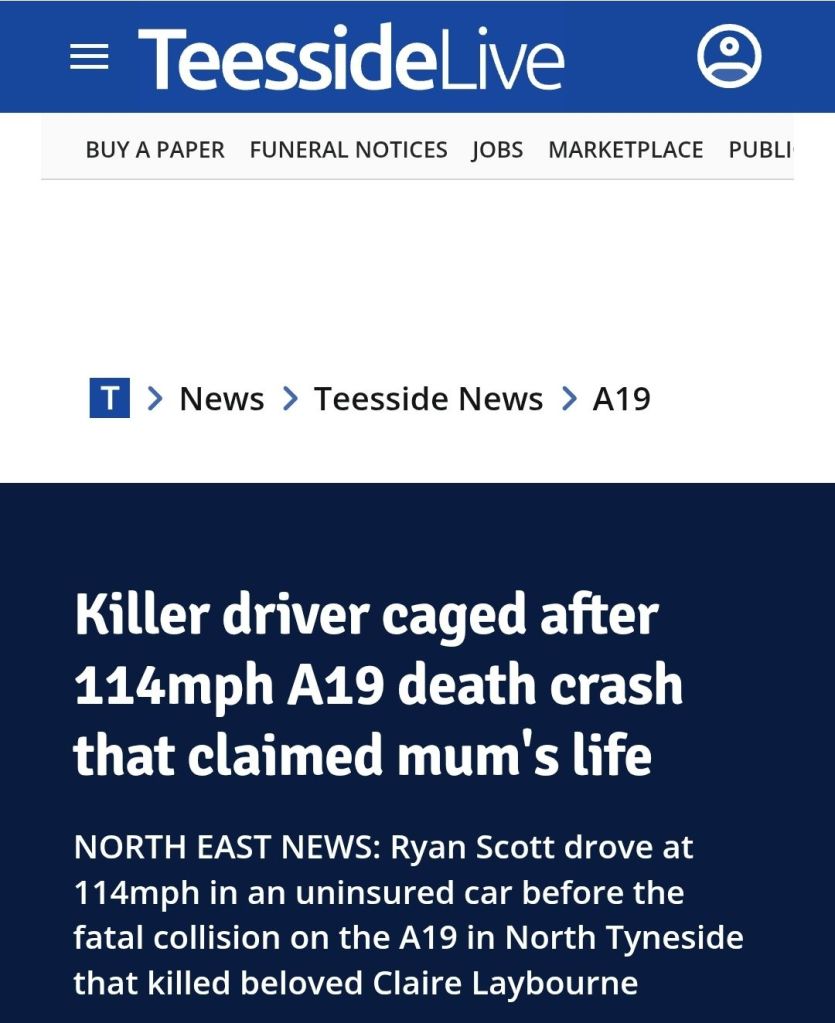
A harsh reality is that dualling alone does NOT guarantee a road becoming ‘safe’, and does not prevent serious and fatal accidents from occuring. A shocking example of this (5th December 2025) is recent tragic incident on the fully dualled A19 near Holystone in North Tyneside, caused by excessive speed, but illustrating clearly that road accidents and loss of life are sadly not prevented by dualling alone.

Teesside Live article about the tragic death of C. Laybourne caused by R. Scott driving at 114mph on the A19.

Every loss of life, or serious injury is a tragedy for the person involved, as well as for family and friends, and we as a society should surely always strive for the accident rate to be ZERO. Perhaps modal shift away from road transport could well be part of the toolkit to make that target a reality.

Whilst we need interventions to make roads like the A1 safer, moving more people and goods via the ECML would reduce traffic on the road, and therefore would reduce risk and road accidents.

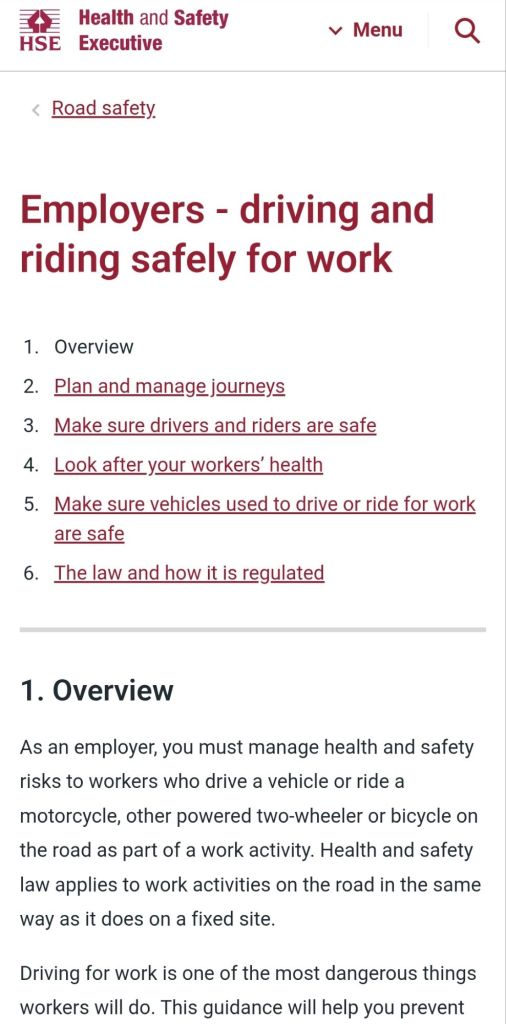
HSE: Driving for work is dangerous.

Indeed, it is recognised by the Health and Safety Executive itself that ‘Driving for work is one of the most dangerous things workers will do.’. Showing that being on the road is a dangerous place to be.

HSE webpage, ‘Driving for Work’

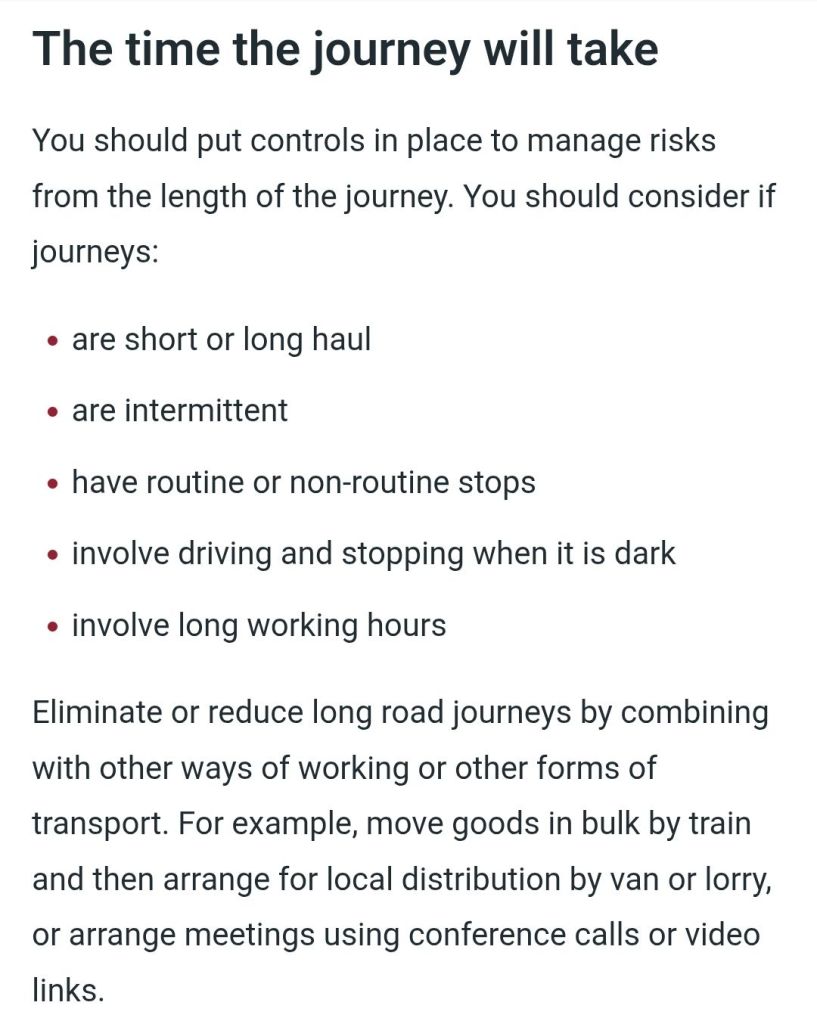
The HSE website goes further on the following webpage, and suggests that modal shift to other modes of transport could eliminate or reduce driving risks, and the hazards faced such as driving/stopping in darkness (Northumberland being a county notable for long winter nights and very dark roads due to fewer streetlights).

The HSE suggesting modal shift away from driving where possible, or to communicate online rather than travelling by road.

If the HSE suggests modal shift for greater safety, perhaps we should give it a very serious consideration?

Smaller safety schemes are welcome, but put the big money into modal shift?

There has been a lot of criticism of the decision not to dual the A1 in Northumberland from Morpeth to Ellingham, but at a cost stated as £500m, and one that doesn’t deliver much in the way of economic growth, and is unlikely to totally stop the serious accidents causing life changing injuries and tragic deaths, could there be a better case to invest in the parallel East Coast Main Line (ECML) instead?

There is still a clear need to invest some money into the A1 to redesign and replace some current flat junctions with grade-separated ones and tackle some bad sections of road layout, and cost-effective solutions such as average speed cameras that have proven themselves on other routes by reducing fatalities and serious accidents should also be employed, but expanding the capacity of rail routes like the ECML to carry more passengers and freight both locally and long-distance would perhaps be the best investment for the bulk of the money. 

Rail transport has a great safety record, and modal shift away from road transport would save lives.

One of the safest ways to travel in the UK is taking the train; in modern times, passenger train accidents are exceedingly rare events, and fatal ones even rarer; for example the last at Stonehaven in Scotland was in August 2020 when an HST hit a landslip, and before that was the February 2007 derailment at Grayrigg in Cumbria. That these accidents are noteworthy, yet they are 13½ years apart shows how safe the railway system is in the UK.

In Northumberland, you would need to go back as far as 1969 and the crash at Morpeth of ‘The Aberdonian’ sleeper train on 7th May that year, almost 57 years ago for the last fatal rail accident involving passengers (sadly a nearby accident in 1992 killed a train driver due to mis-communication).

Since 1969, the East Coast Main Line between Edinburgh and Newcastle has carried many millions of passengers safely and swiftly, having had a very good safety record since this accident, and even when further accidents have re-occurred at Morpeth, improved train and carriage designs have meant that injuries were much less serious and no fatalities resulted from it.

The Northumberland Line has now also moved well over a million people safely, and allows people to avoid the A189 Spine Road which itself has a poor reputation for accidents, many of which have also tragically been fatal or serious with life changing consequences, but is largely dualled and has grade-separated junctions mostly (aside from roundabouts such as Moor Farm).

New routes for rail to make modal shift easier.

Creating new rail routes such as the Northumberland Coast Loop (Newcastle to Edinburgh via Blyth Bebside and Northumberland Park would go even further to help make rail a viable option for more journeys; making them faster by being more direct, and with fewer changes to make them easier and more convenient for potential passengers too.

This is a passenger route that would be likely to carry many thousands, if hundreds of thousands of people each year if implemented, reducing car trips and improving road safety as a result.

N.C.L. Petition page for the proposed new route

Whilst no mode of transport will ever be 100% ‘safe’ and it would be a Titanic mistake to claim so (the so-called ‘unsinkable’ ship now on the bottom of the Atlantic sprung to mind), the evidence shows that railways are a fundamentally much safer way to transport people and goods; professional staff who are highly trained, working in a very tightly controlled failsafe system of systems means that accidents are incredibly rare and even when they do happen, modern rail vehicles are also extremely well designed to protect their occupants.

Rail won’t replace all road journeys, but more people and goods moving by train the better.

Rail cannot replace every car or lorry trip, but a significant modal shift from busy roads like the A1, A19, and the A189 would have clear safety benefits by reducing overall traffic volumes, and enabling travel on a much safer mode of transport, meaning a real reduction in injuries and fatalities on the road network.

Hopefully Cllr Hunter and others will help to push for railways and public transport more broadly to be part of reducing road fatalities and injuries in Northumberland, with the additional benefits of supporting businesses such as pubs, reducing road congestion and parking problems in our picturesque paradise that is Northumberland?