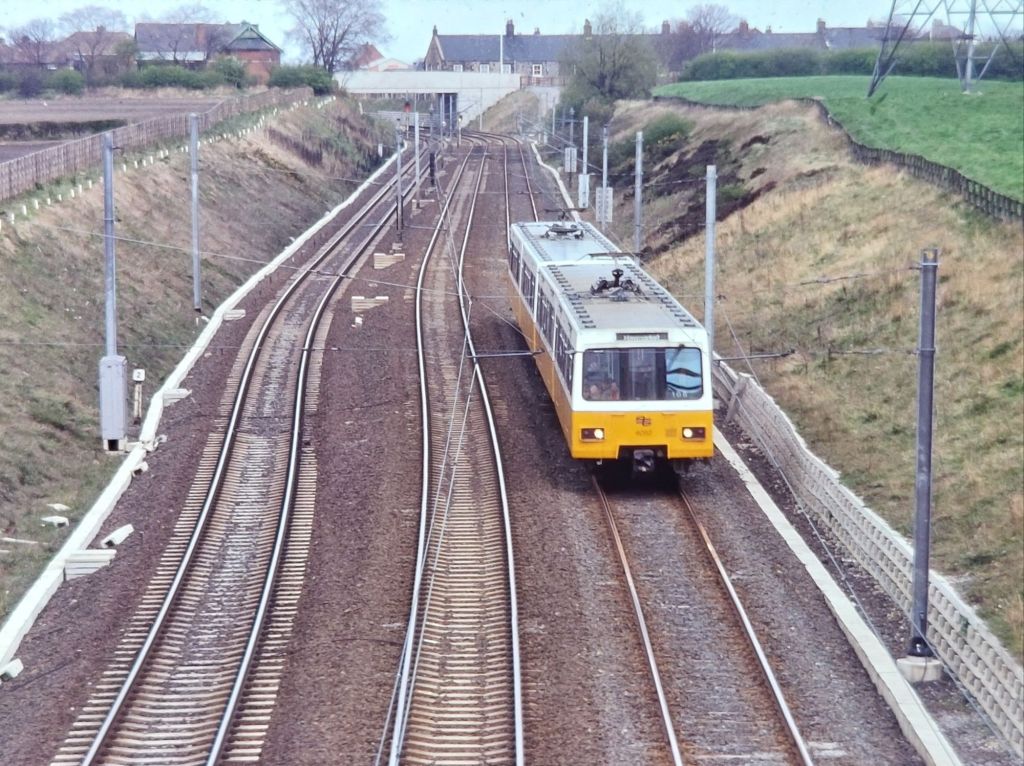
Phenomenal First Month of 2025

As January 2025 draws towards it’s end in a few hours, it has been an amazing month of progress!

The last post before this one, Edinburgh by direct train from Blyth Bebside and Northumberland Park? Has almost gone viral, as can be seen above having over 3000 views over the course of two days, with the proposal being very well received on local Facebook groups.

Hopefully, and as suggested at the bottom of the above post, people living in the constituencies that the route passes through will contact the MP for their constituency, mentioning their support for the Northumberland Coast Loop too!

The Northumberland Coast Loop Facebook Page has also experienced some very strong growth in recent days, with 370 likes and 614 followers.

In other news, any readers wishing to lend their support to the Northumberland Coast Loop can now do so via ko-fi.com/northumberlandcoastloop

Thank you all for such amazing support!

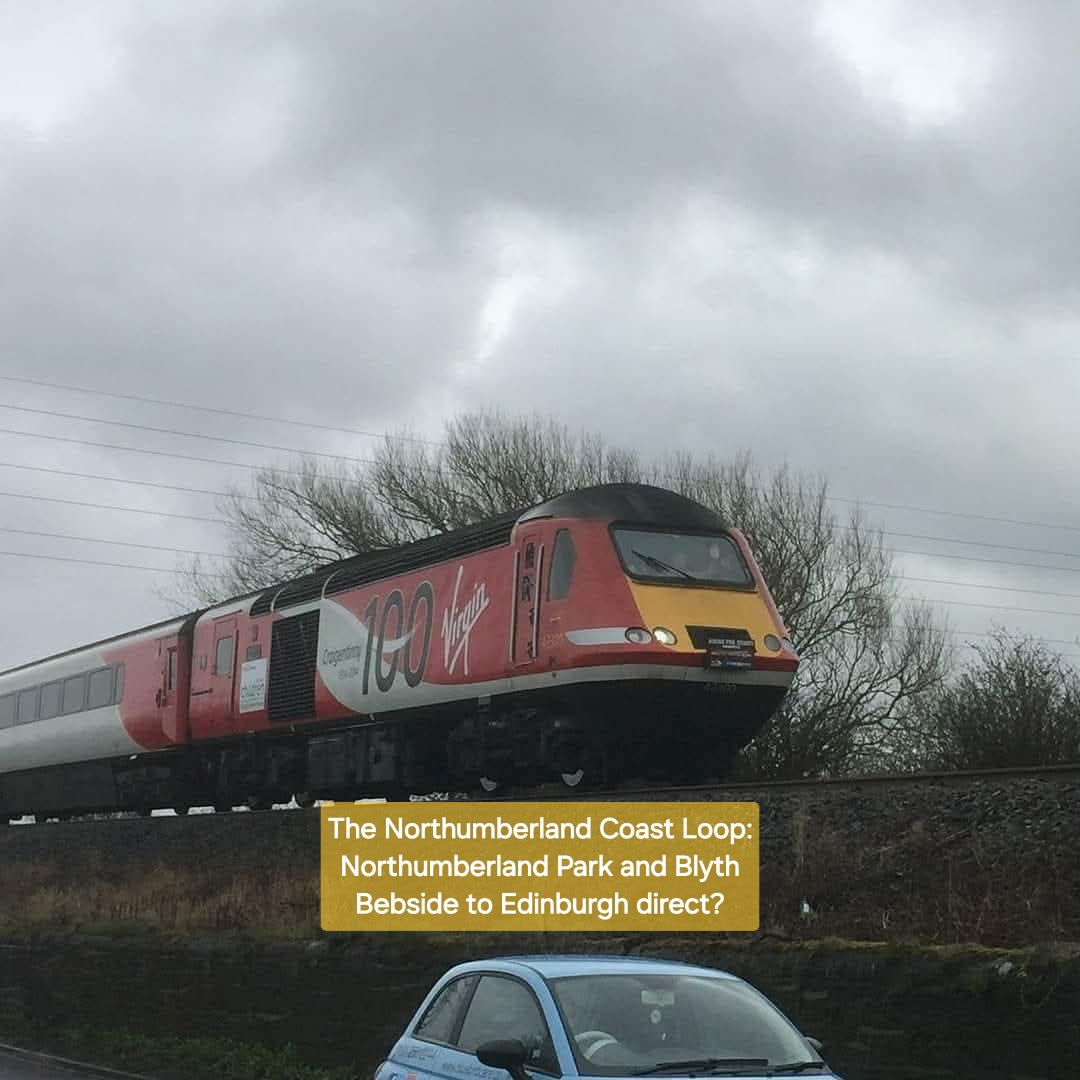
Edinburgh by direct train from Blyth Bebside and Northumberland Park?

Edinburgh could be reached by rail in two hours or less from soon to open Northumberland Park, and Blyth Bebside stations by using an existing direct route via Hepscott and Pegswood. Please read below to find out more!

Please see our ko-fi here

The Northumberland Coast Loop is a proposal to use the existing connecting line (The Hepscott Line) between the Northumberland Line at Bedlington Station, and the East Coast Main Line (ECML) at Morpeth North Junction.

This forms an alternative through route between Newcastle and Edinburgh, with a coastal loop via Blyth, Northumberland, hence the name ‘The Northumberland Coast Loop’.

This would give up to five of the six newly opened Northumberland Line stations (with the sole exception of Ashington, which is situated on a dead-ended branch to Lynemouth Power Station).

Services serving all stations are likely to be ‘within Northumberland’ local trains, operating from Newcastle to Berwick and return, but the same route could also be used for longer distance services connecting Newcastle to Edinburgh too, running a semi-fast (limited stop) service.

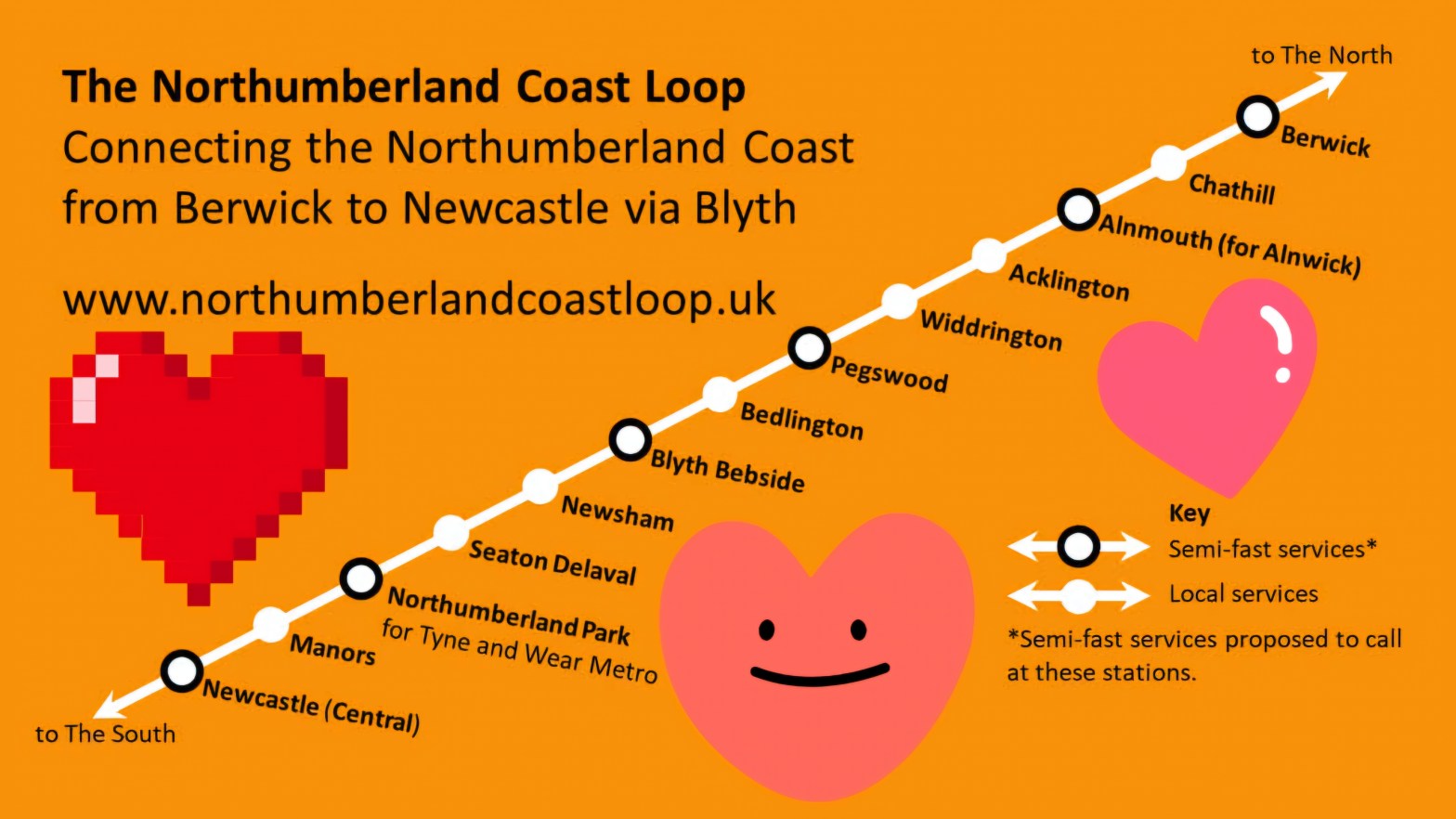
Route diagram of the Northumberland Coast Loop

As can be seen on the above route diagram, each station is shown as a white dot along the line starting at Newcastle at the bottom left, and Berwick in the top right. The stations selected as semi-fast and local stops are ringed in black, with local only in plain white.

Starting with a Semi-Fast Service

The focus of this blog post is on the semi-fast service, which is perhaps the most likely service to begin on the route, due to capacity constraints for additional local services on the ECML.

The other benefit of a semi-fast service is that the number of trains per day can be lower but still viable, for example Grand Central serves stations such as Hartlepool five times per day in each direction, a similar level of service through SE Northumberland, either via an extended Great Central service to Edinburgh, or a separate operator could hopefully offer a similar service level.

Journey Times

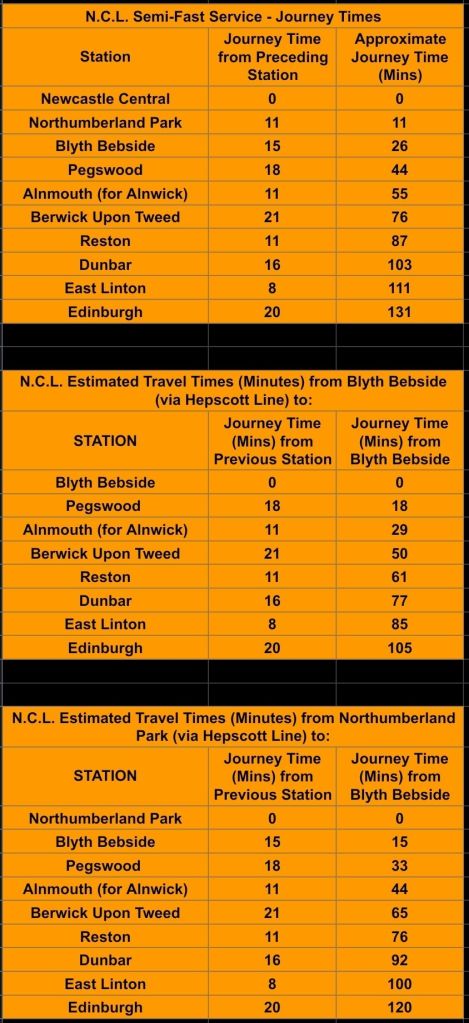
The table below shows an estimation of journey times along the Northumberland Coast Loop for a semi-fast service, based upon known timetables for the Northumberland Line, ECML, and using the timings of the North Blyth – Fort William ‘Alcan’ freight to establish the running time between Pegswood and Bedlington.

Use of the latter goods service, as a 400t, 60mph limited freight train that pauses en-route for crew changes at Morpeth North means that timings are likely to be longer than a passenger service, meaning a properly planned passenger service might be faster than the timings set out below.

Table of N.C.L. journey times between Newcastle and Edinburgh, the overall trip in the top table, Blyth Bebside to Edinburgh in the middle table, and Northumberland Park to Edinburgh in the bottom table.

As can be seen from the above tables, a trip from Newcastle to Edinburgh via Northumberland Park and Blyth Bebside could be completed overall in around 2 hours and 11 minutes; only modestly longer than a comparable Transpennine Express service via Cramlington (shown below), which takes one hour and forty-eight minutes, meaning trip around the Northumberland Coast Loop is only around 21 minutes slower overall.

Compared to some routes such as the Durham Coast, which adds around an hour to diverted rail services, a route via Blyth Bebside would be very modest in terms of additional time for trains using that route, making it potentially attractive for commercial open access operators like Grand Central to consider extension of their North Eastern route into Scotland via Blyth, or for DfT operated services such as Transpennine Express to offer a secondary route via Blyth.

Blyth Bebside to Edinburgh could be achieved in 105 minutes (one hour, 45 min), which again compares reasonably with the above TPE service at Morpeth, which takes 1hr 31min to reach Edinburgh.

Presently, driving/taxi from Bebside Inn to Morpeth could possibly be done in 14 minutes (bearing in mind an early morning Google Maps search of the route will be far quieter traffic than during the daytime), but to catch the 07:25 from Morpeth to Edinburgh, allowing 14 minutes from Blyth would be very optimistic.

The other additional benefit to direct rail services via Blyth would be to reduce road traffic through towns such as Bedlington or Choppington, which are known to suffer from sometimes heavy congestion, so catching trains direct at Blyth Bebside could be useful to non-rail users too.

It is also possible to see how fast other connections could be, Alnmouth for example could be reached in just 29 minutes, meaning for those without a car (either non-drivers or electing to go car-free) could reach destinations such as Alnwick Castle, The Alnwick Garden, Lilidorei, Barter Books etc more more easily by reducing the first leg of the journey by road (either by driving or by taxi, the latter reducing significantly potential expenses on taxi trips).

Northumberland Park to Edinburgh could be achieved in two hours flat by calculations in the above table; which could offer some savings on journey times compared to travelling into Newcastle Central station, which from a starting point such as Tynemouth could be significant, as seen below, the option to change from Metro to rail at Northumberland Park, to then travel north could offer a significant time saving, alongside transferring at a smaller, less complex station (one mainline platform compared to 12 at Newcastle Central) being potentially attractive to less confident rail users.

As can be seen from the map below, the direct Metro route from Tynemouth to Central Station passes through Northumberland Park station anyway, so a transfer between Metro and Rail there, rather than at Central Station would make a lot of sense for many North Tynesiders.

Northumberland Park could also be very well sited to offer a rail connection for DFDS Ferries between Tyneside and Continental Europe, as well as serving connections to/from Cruise ships using Port of Tyne, being closer than Central Station, and allowing a very quick bus shuttle to operate to connect both sites, being less than 5 miles apart by road, compared to eight or more for Central Station.

Cobalt Business Park, as one of the largest parks of it’s kind in the UK, could also be given added advantage by being located to a regionally/nationally served railway station alongside present access to the T&W Metro.

Long distance rail services to Northumberland Park would arguably complement the ‘prime location’ of Cobalt Business Park, and direct links to more cities, such as Edinburgh (York and even London are possible if part of a wider route such as extended GC service) would presumably help attract more businesses to the site?

Station Selection

The stations selected as the semi-fast stops, starting from Newcastle are:

Northumberland Park: As the first proposed stop after departing Newcastle, this station is only mainline one serving North Tyneside, and offering an excellent interchange with the Tyne and Wear Metro (rail and Metro will be co-located at essentially the same site), this station is an obvious one to include as a semi-fast stop.

Not only that, but it’s relatively close proximity ( to the DFDS Ferry Terminal and Cruise Terminal at Northumbrian Quay would allow those connecting to/from international ferries and cruises to connect easily to the national network, offering a near direct link from ferries and cruise ships to North Northumberland, the Scottish Borders, and Edinburgh, and compares favourably with present travel into Newcastle Central Station which takes substantially longer.

Distance between Northumbrian Quay (DFDS Ferries and Cruise Terminal) and Northumberland Park Metro is only 4.7mi, a 15minute drive.
Which compares favourably with travelling to Newcastle Central Station, 8.1mi away and often subject to heavy congestion.

Blyth Bebside: This station has been selected due to it’s strategic location; it is one of two stations that will serve the largest town in Northumberland of Blyth.

It’s location near to the junction of the A189 Spine Road and A193 (Cowpen Road) means it is easily accessible from not only Blyth, but also large towns such as Cramlington (itself being the second largest town in Northumberland with relatively limited northbound rail service), Bedlington (fourth largest town) and via the rail, bus and road networks even areas such as Ashington, Newbiggin and further afield, making Blyth Bebside a well placed station to serve a very wide area around it.

This station would offer a few advantages over nearby Morpeth, with it’s closer proximity allowing many people to use active travel to reach the station, it also has a much less constrained site, potentially allowing for easier expansion of facilities like car parking (which if highly successful, might allow for a future direct connection to/from the A189, reducing road traffic in Bebside itself.

Pegswood: This would be the first station back on the ECML after travelling ‘around the loop’ through Blyth.

It has been chosen as the route doesn’t pass through Morpeth (the Morpeth North Curve marks the north eastern edge of Coopies Lane Industrial Estate, passing under the A196 to the east of Hepscott Care Centre and Storage 24, rejoining the ECML about ¼ mile away from Pegswood Railway Viaduct).

As an existing station sat between Morpeth and Ashington, it’s location just off the A197 Pegswood Bypass, this again is a very strategic, being easily accessed from a wide area by bus, car, or active travel (just off National Cycle Network Route 155), and if the station is enhanced in future with the simple addition of a car park, it could easily become a Pegswood Parkway. This could allow the station to serve the large rural area to the west of Morpeth, and easy access from the A197 would mean that road traffic could avoid needing to enter the town of Morpeth to reach Morpeth Station, either catching trains directly from Pegswood, or using upgraded rail/bus links to reach Morpeth.

Note that platform lengths at Northumberland Park, Blyth Bebside, and Pegswood stations may be an initial constraint, with short trains, or the use of on-train features such as selective door opening potentially being a requirement initially. In the longer term, lengthening platforms could be considered to resolve this fully and allow maximum length trains to service these stops.

Alnmouth (for Alnwick [and Amble]): Alnmouth station is already a well established hub for the middle of Northumberland, with both Alnwick and Amble within relatively easy reach by bus or even walking cycling from these two towns. Therefore N.C.L. services would reasonably stop at this station to allow connection to these two towns and the surrounding area. Both towns are also popular tourism destinations for residents in SE Northumberland, with travel also common in the opposite direction for events, such as those at Blyth Battery, the Tall Ships etc drawing people into areas such as Blyth from a great distance.

Berwick-Upon-Tweed: As with Alnmouth, it is again a known hub for North Northumberland, and offers connections between the port towns of Blyth and Berwick.

As with Alnwick and Amble, Berwick is a popular ‘day out’ venue, but also for short holidays at the nearby Haven caravan site (as is Haggerston Castle between Berwick and Alnmouth), and direct rail connections could make Berwick, as well as these two sites much easier to reach.

The Scottish Stations of Reston, Dunbar, and East Linton: Again these have been selected as already commonly served stations by operators such as TPE, so a basing the N.C.L. service with a similar stopping pattern would allow direct links between these places too.

People Power to Push for Passenger Services

If you live near to one of the stations mentioned above, please reach out to your local MP and mention the Northumberland Coast Loop in your email/letter. With 742 signatures on our recent petition, hopefully some of you may also take the time to write to your MP in support of the route? The more who write, the more action will hopefully be seen!

For Northumberland/North Tyneside, please find below which MP covers each station on the route.

David Smith MP covers the three ECML stations at Berwick Upon Tweed, Alnmouth, and Pegswood. I have, as a constituent, already raised this route with him, but if you also live in the constituency, please also send him an email.

Ian Lavery MP covers Blyth Bebside, as well as Ashington, Bedlington, and Newsham stations. Although I am now a former constituent, now represented by David Smith above, I reached out to Ian by email, and received a very welcome response, even though he is not obliged to do so; so if you do live in his constituency, please send him a letter/email in support of the route.

Emma Foody MP covers Northumberland Park, as well as Seaton Delaval, and Cramlington stations, so please reach out to her and send a letter/email in support of the route.

Northumberland County Councillor Elections 2025.

With time for the NCC elections fast approaching in May 2025, please also reach out to your local county councillor candidates to seek their support for the route too. 

Kim McGuinness, North East Mayor

As mayor of the North East, please also reach out to Kim McGuinness by letter/email in support of the Northumberland Coast Loop.

Six Weeks To Go Until The Seven Counties Rambler

Writing this in the late evening of 25th Jan 2025, it’ll be around this time that The Seven Counties Rambler will be returning to Linlithgow after an extensive trip around southern Scotland and Northern England.

Screenshot from the SRPS Railtours website

This circular tour starting and ending at Linlithgow station will take in places like Kilmarnock and Dumfries, before arriving at Carlisle; from there taking in the Ribblehead Viaduct on the S&C. Heading through Hellifield, Clitheroe, and Preston, the railtour returns to Carlisle over Shap on the West Coast Main Line.

This first portion of the tour is planned to use Class 20 haulage, with four locomotives in total being used, a first pair from Linlithgow to Carlisle, and a second pair from Carlisle, over the S&C, WCML and back to Carlisle.

Leaving Carlisle on the leg back to Linlithgow via Newcastle, the locomotives are changed again for a pair of Class 37’s, which will take the train towards Newcastle along the Tyne Valley Line.

Taking The Northumberland Coast Loop Route

Where The Rambler will rejoin the ECML at Morpeth – Temples Bridge

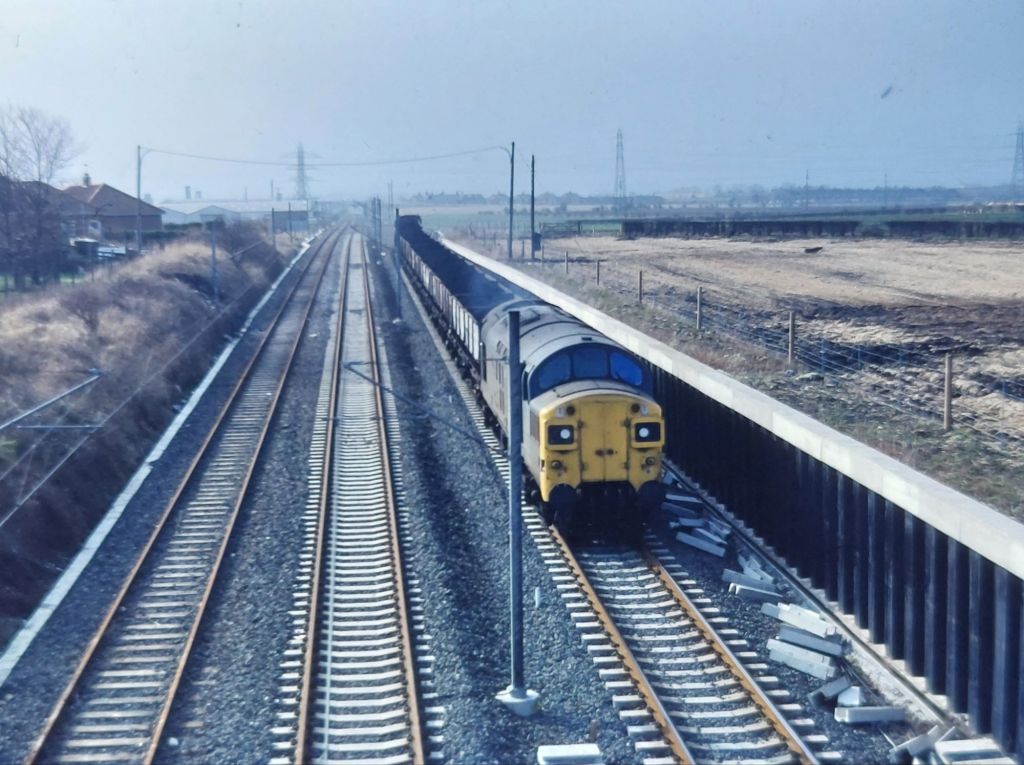
After arrival in Newcastle in the late evening (requested timing of approx 19:00), the train will then travel up the Northumberland Line as far as Bedlington, from there, it’ll then head along the Hepscott Line towards Morpeth, but taking the Morpeth North Curve, which brings the train onto the East Coast Main Line (ECML) very close to Pegswood Railway Viaduct, then passing through Pegswood, Alnmouth (for Alnwick), Berwick and on back to Edinburgh and Linlithgow, where the tour will finally end very late in the evening.

It promises to be a very interesting tour, taking in some quite breathtaking scenery in Scotland, the Lakes and Northumberland, but of particular interest for this campaign is the route between Newcastle and Edinburgh via Bedlington, hence why it has been a focus of this blog for the last few weeks.

Once all of the Northumberland Line stations are opened for traffic, and the Newcastle to Ashington service becomes well established, a regular service along the Northumberland Coast Loop, as demonstrated by the Rambler in just six weeks time, is, in my view, a great contender as an expansion of the Northumberland Line.

Unlike proposals to reach places like Newbiggin, such a service would use existing stations, and simply provide a new connection between them.

Travel from towns such as Berwick, Alnwick, or Amble to towns like Bedlington, or Blyth, or into North Tyneside would be made vastly easier by public transport, helping drive modal shift onto rail.

Amongst many friends and work colleagues, there is a lot of potential for rail travel along this route, with a number of families, such as my own spread along the line of route, as well as workplaces away from the family home similarly spread along the line.

The ability to travel with ease, and speed by public transport, compared to the current slow, and somewhat uncomfortable long-distance buses would bring a major boost to the economy; being able to transport those who cannot, or opt not to drive at a decent pace, giving better access to work, as well as leisure activities, or the aforementioned connection for families and friends.

The Alnmouth (for Alnwick) Late Afternoon Timetable Gap

A recent social media post on the Aln, Blyth, and Tyne Railway (Northumberland Line & Beyond) Facebook group by member L.M. highlighted a 2hr 34min gap in the Newcastle bound timetable for midweek departures.

A link to the excellent Realtime Trains website, showing services between Alnmouth and Newcastle only shows this really well, with the Transpennie Express departure at 15:26 towards Newcastle being followed by the LNER operated 18:00, leading to the ‘Alnmouth Gap’ between the two of 2.5hrs.

This is taken from the timetable information on the website for 23.1.25.

This is in contrast to the pretty good service over the rest services during the rest of the day, with the full departures in the same direction occuring at 06:22, 06:50, 06:57, 07:08, 07:20, 08:10, 09:00, 10:09, 10:47, 11:00, 12:10, 13:01, 14:09, 15:00, 15:06, 15:26, 18:00, 18:09, 18:47, 19:27, 19:43, 20:26, 20:40, 21:12, and finally the 22:14.

When the station generally sees at least one train per hour, this 2.5hr gap seems outwardly bizarre, especially when many passenger services pass through the station during that period of time.

Services that could potentially infill the gap could be the trains presently passing through at 15:33, 16:00, 16:10½, 16:32½, 16:58, 17:06½, 17:13½, and finally the 17:31½.

Of these, potentially the 16:00 and 16:58 would fit well to fill the service gap, being just under an hour apart, and well spaced after the 15:26, and before the 18:00 departures respectively.

Both of these trains are operated by LNER, an operator already long under the auspices of the DfT, so hopefully the December 2025 timetable alterations could resolve this gap in the services at Alnmouth, as well as addressing the potential loss of the popular morning service.

These ‘late afternoon’ departures towards Newcastle would likely be well patronised; I personally have caught the 18:00 fairly frequently in the past, but an earlier service would have been desirable.

Hopefully this change might be incorporated into the December 2025 timetable changes, and this large service gap will be closed.

The Rambler Railtour: Only 50 Days To Go, and Extend Grand Central Trains to Edinburgh via Bedlington?

So in 50 day’s time, the 8th March 2025, The Seven Counties Rambler, operated by the Scottish Railway Preservation Society, a circular tour starting early in the morning, and ending late evening at Linlithgow. On it’s long but scenic route, it will take in Edinburgh, then via Midcalder Junction, Kilmarnock, Dumfries, Carlisle, Ais Gill, Hellifield, Clitheroe, Preston, Shap, and back to Carlisle. From Carlisle, the railtour then heads along the Tyne Valley Line through Hexham, reaching  Newcastle towards the evening.

One of the locos due to haul ‘The Seven Counties Rambler’ by the SRPS on 8th March 2025.

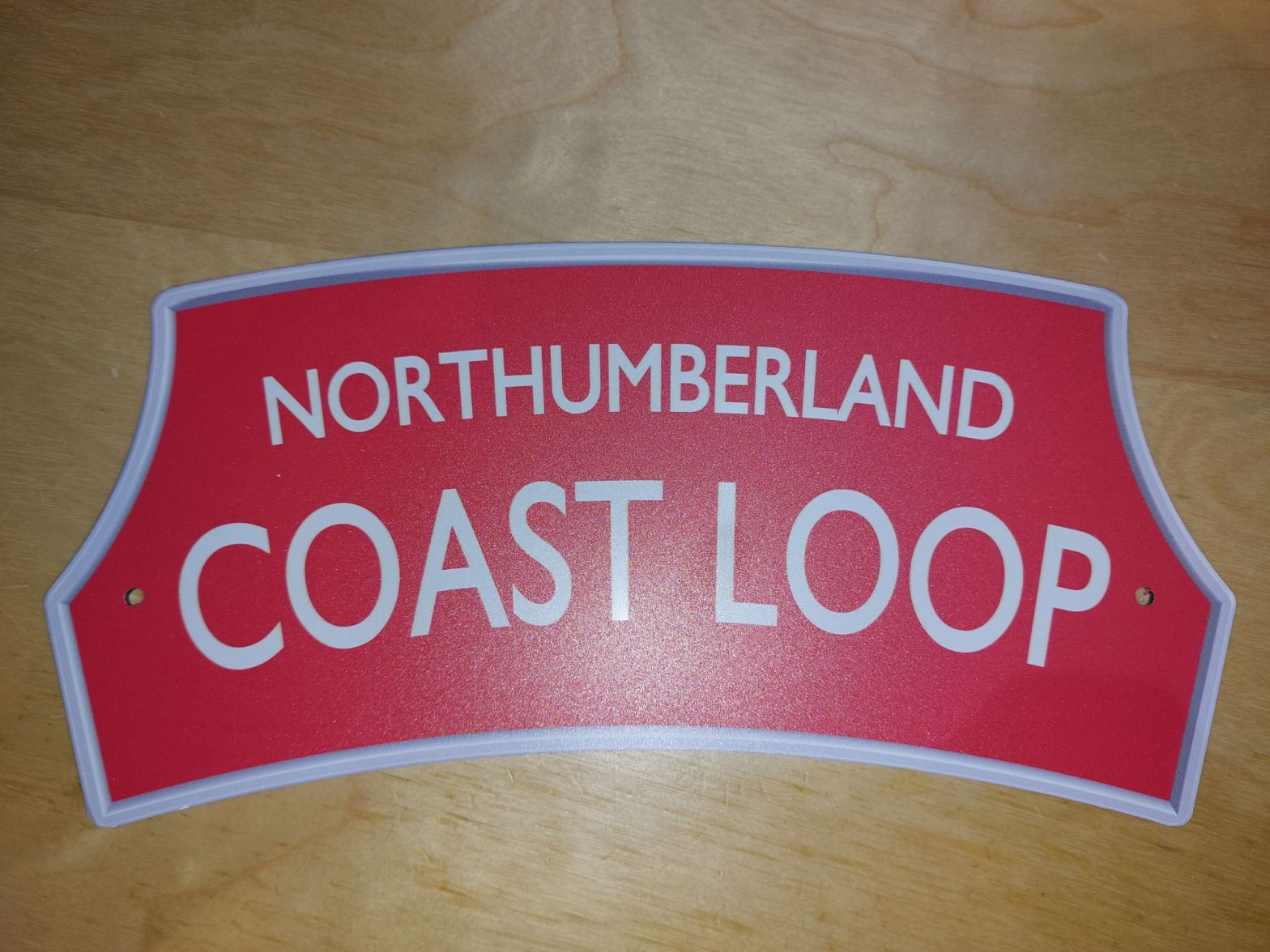
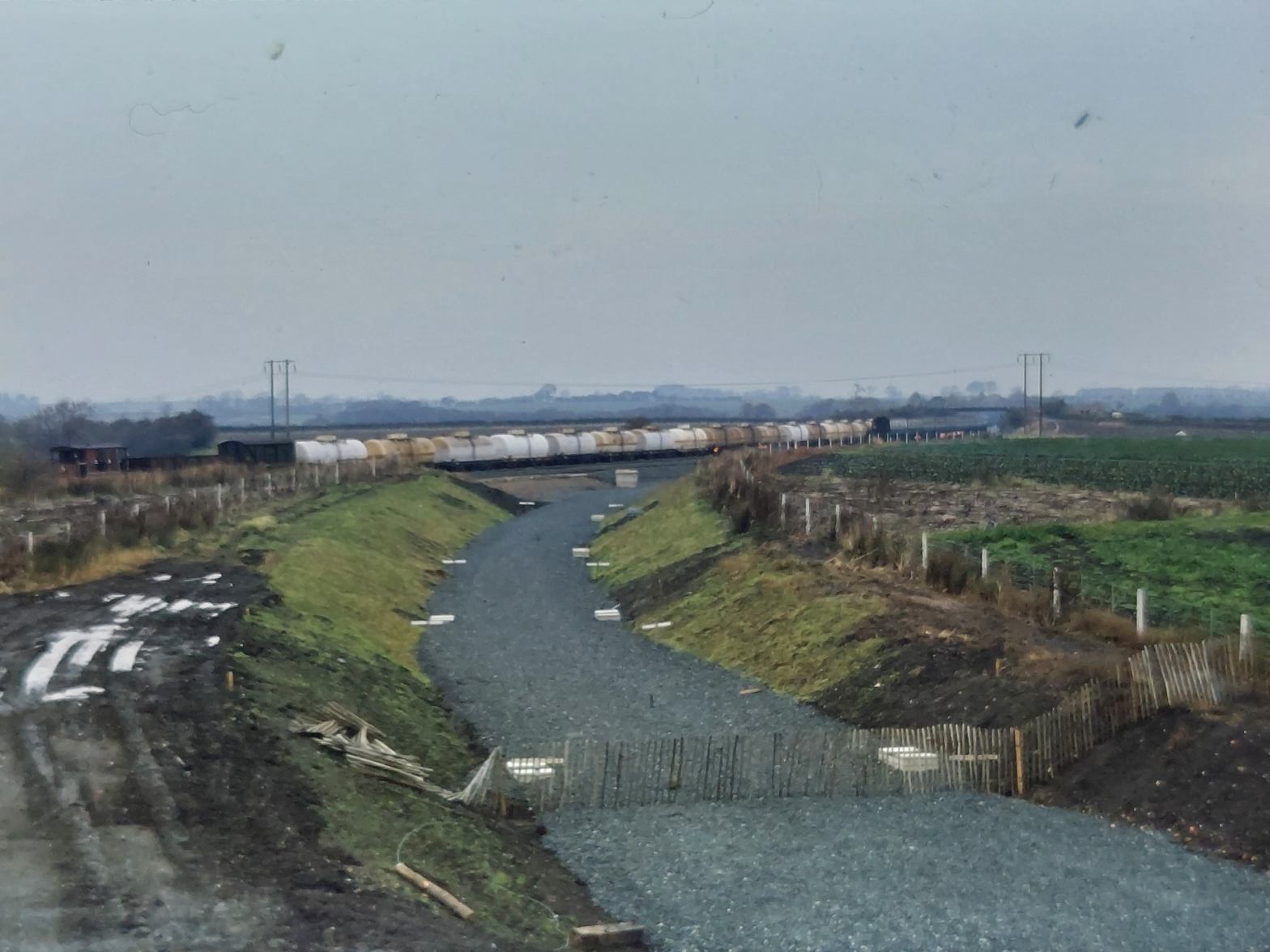
The section particularly of interest to this campaign, is the route back to Edinburgh and Linlithgow via Bedlington from Newcastle; as the railtour will take the Northumberland Line as far as Bedlington, then bearing left at Bedlington Junction, takes the Hepscott Line, heading towards Morpeth. At Hepscott Junction, the train will then bear right, joining the 1980 built Morpeth North Curve bound for Pegswood, rejoining the East Coast Main Line (ECML) at Morpeth North Junction, where I recently recorded a Northumberland Coast Loop Explained video, featuring the newly printed ‘Northumberland Coast Loop’ headboard, produced by JAF Graphics.

Newly produced ‘Northumberland Coast Loop’ headboard.
First outing at Temples Bridge, Morpeth, where the Morpeth North Curve meets the ECML.

The ‘Loop’ on the Northumberland Coast: Linking South East Northumberland and North Tyneside to The North?

As can be clearly seen from the above map (The Railway Magazine, January 2025 p. 9), the link between Bedlington, and the ECML (shown in red) could easily be utilised to provide connections between up to five of the Northumberland Line stations (only exception is Ashington due to the track layout seen above), and those in North Northumberland or Scotland (essentially anywhere north of, and including Pegswood, unfortunately not shown). 

This is shown on our route diagram below, which shows the stations (either already open, or due to open later in 2025) that the above Rambler Railtour is due to pass through in just seven weeks time, perhaps showing just how readily this route could be to implement?

As can be seen above route would link significant towns such as Blyth (the largest town in Northumberland, and home to the economically significant Port of Blyth), as well as a large part of North Tyneside directly to North Northumberland and Scotland, a route never previously possible due to passenger closure happening in 1964, 16 years before the Morpeth North Curve enabled a direct connection, and sadly long after most stations (with the sole exception of Bedlington) had been demolished.

Newcastle to Edinburgh Semi-Fast and Newcastle to Berwick Local Services via Bedlington?

First off is the semi-fast service, probably this would be the first service to implement given constraints on the ECML between Newcastle and Edinburgh, and could fit well as just a handful of services per day (as Grand Central has proven with Sunderland – London services via the slower Durham Coast route.

The proposed service pattern for the Northumberland Coast Loop would take two forms; with a semi-fast (limited stop) service, probably originating at Edinburgh, calling in Northumberland at Berwick, Alnmouth (for Alnwick and Amble), Pegswood (for Morpeth and Ashington), Blyth Bebside (for Blyth, Cramlington and Bedlington), and in North Tyneside, calling at Northumberland Park before heading on to Newcastle, and potentially destinations beyond.

This type of service would likely be a handful of trains per day, for example Grand Central runs five daily trains between Sunderland and London, calling at intermediate stations like Hartlepool en-route, Blyth Bebside and Northumberland Park could similarly be intermediate stops between Edinburgh and Newcastle on a long distance route such as Edinburgh to London. Existing diesel trains can run at up to 125mph, so using existing rolling stock for the N.C.L. route shouldn’t present any great issues if units are available.

A local service would ideally be much more frequent (perhaps as often as hourly), and would call at all stations, but would likely be a Newcastle to Berwick and back route. As the implementation of a local service on the ECML north of Newcastle depends on use of electric units, it is probably likely to hinge upon the recent announcement of a tender for new trains, which may hopefully be specified as bi-mode units capable of 100mph+ and able to work both on and off overhead wires. 

Extended Grand Central Service: London to Edinburgh via Sunderland and Bedlington?

Whilst not speaking for the open access operator, this is just as an example to illustrate the concept.

The current Sunderland to London service, operated by Grand Central trains might present a great opportunity to be extended from it’s current northern terminus at Sunderland to Edinburgh, creating a service linking the Scottish and English capital cities via Blyth and Sunderland.

Current Grand Central ‘North Eastern Service’ between Sunderland and London King’s Cross could be extended to Newcastle & Edinburgh via Northumberland Park, Blyth Bebside, Pegswood (for Ashington and Morpeth), Alnmouth (for Alnwick and Amble), Berwick, and more in the Scottish Borders.

This route would massively improve connections to, from, and between areas in the North East; giving Teesside, the Durham Coast and Sunderland a direct link to Edinburgh, the Scottish Borders, and the Northumberland Coast, and vice versa.

Given the huge popularity of Edinburgh as a city to visit from the North East, it is highly likely that any extension of the service would be well patronised, and even taking the slightly longer and slower route via Bedlington would still be relatively attractive as a service, and potentially without abstraction from other operators.

From my own experience, places in North Northumberland such as Alnwick are popular destinations from around the North East, a rail service linking North Northumnerland to SE Northumberland, North Tyneside, South Tyneside, Wearside and the Durham Coast would likely be well patronised too, conversely, travelling to Teesside and especially Saltburn/Whitby could be made easier by such as service, especially if a single change between GC/similar services could be made to reach these popular coastal destinations.

It would be good to hear feedback from Grand Central if they would contemplate such an extension to their North Eastern services in future, even if only early morning/late evening ones to start with?

Thanks for reading! Please subscribe to the blog to get latest updates direct to your email.

Northumberland Line: 50k Journeys In The First Month  and more N.C.L. News!

Northumberland Line: 50,000 journeys already!

A recent post from Northumberland County Council (see screenshot below) shows that the Northumberland Line is off to a very strong start, with 50,000 journeys being made in the first month since opening. This has also been published on Rail Advent.

This is despite the line opening with just two of the six new stations being opened (Ashington, and Seaton Delaval), with Bedlington, Blyth Bebside, Newsham, and Northumberland Park due to open at stages throughout the year, see our previous post for more information.

Northumberland Coast Loop: 10k website views

Website Stats 15th January 2025

On the day that the Northumberland Line has reached 50,000 riders, this website and blog has surpassed 10,000 views since it’s launch in January 2024. Thank you to all who’ve visited and read the website and blog!

In a somewhat fitting coincidence, the Northumberland Coast Loop headboard arrived in the post today…

…which will soon be seen out and about on the route; as ever, watch this space!

This was made by JAF Graphics, who I’d happily recommend if you require your own personalised railway headboard, with excellent prices, great communication and swift delivery, there may be more in the pipeline to come! 

Quiet Work Behind The Scenes

There is much quiet work also going on in the background with regards to the Northumberland Coast Loop; such as emails and other correspondence with some very positive replies. Hopefully more will be announced shortly, but on that cliffhanger, I’ll have to leave things there!

Thanks for reading, please subscribe to the blog to get all the latest updates! Yours, RH.

Northumberland Line: Station Opening Update, January 2025

As reported in the January 2025 issue of The Railway Magazine, p. 9.

Map of the Northumberland Line (The Railway Magazine, January 2025, p. 9)

Ashington: Opened 15th December 2024

Bedlington: Late 2025

Blyth Bebside: Summer 2025

Newsham: February 2025

Seaton Delaval: Opened 15th December 2024

Northumberland Park: Late 2025

Northumberland County Council Elections 2025

On 1st May 2025, Northumbrians will go to the polls to select their local county councillors, with a total of 69 across the entire county being selected by residents this year.

As candidates are now being announced, it is time to raise the route with candidates for your ward and seek their support for the N.C.L. rail route between Berwick and Newcastle via Bedlington.

The full list of the ten Northumberland stations covered by the Northumberland Coast Loop, from north to south are as follows:

  • Berwick Upon Tweed
  • Chathill
  • Alnmouth
  • Acklington
  • Widdrington
  • Pegswood
  • Bedlington
  • Blyth Bebside
  • Newsham
  • Seaton Delaval

If you live within reasonable distance of any of the above stations, and you would would like to see the Northumberland Coast Loop proposal implemented, then please reach out to your candidates and ask for their public support; any candidates who do so will be detailed below alongside the ward they are seeking to represent.

Thanks, RH.

The Tweed, Blyth and Tyne Line For Beautiful Northumberland By Rail?

A recent social media post (shown below), from Northumberland County Council is marketing the Northumberland Line as ‘scenic journey through the heart of the county’ with ‘historic stations and breathtaking landscapes’ making it ‘a true gem of the North East’.

While the above does certainly hold true; the Northumberland Line is and will be a scenic route along good portions of it’s length, sections of the East Coast Main Line (ECML) in North Northumberland are perhaps even more outstanding; the views across to Lindisfarne on a sunny day is a very hard act to beat, but the journey through farms, woodlands, and over deep valleys in the coalfield area can hardly be described as an unpleasant trip.

Overlooked Beauty

This isn’t to disparage my ‘home turf’ of South East Northumberland, it is very pretty, sometimes surprisingly so as a local lad; you often overlook your local area in favour of places the Scottish Borders, the Lake District, County Durham, or Yorkshire, but we are blessed with beauty even near to former industrial towns like Blyth, Bedlington, or Ashington.  

It is simply that as ‘home’, you perhaps don’t appreciate it as much as you should. Nothing perhaps says this more than a rare (at present) trip between Bedlington and Morpeth on the Hepscott Line, taken back on 8th June 2024 from the Blyth and Tyne Mini Tour by UK Railtours with footage of the Hepscott Line looking north surprisingly spectacular

Once past the former Barrington Colliery Institute (once the excellent ‘Fuggles’ bar and brewery) at around three minutes in, the scenery is every bit as good as many other lines around the UK.

From Berwick, to Pegswood, then Bedlington, and finally (or not) Newcastle?

One solution could be to implement a service that links both areas together; the Northumberland Coast Loop.

Starting at Newcastle, this route would follow the Northumberland Line for the majority of it’s length, as far as Bedlington.

At Bedlington, the train would bear left onto the Hepscott Line mentioned earlier, taking the train back towards the ECML, and by using the Morpeth North Curve, would point the service towards Berwick Upon Tweed (and potentially Scotland if the service was to continue northwards).

This link would allow rail passengers to get the best of Northumberland Coast; having as much of it as possible using the current track layout. Why not have your cake and eat it?

Northumberland Coast plus The Tyne Valley Line?

Indeed a Berwick, Bedlington, Newcastle, Hexham, Haltwhistle/Carlisle route could allow a very scenic trip taking in the Northumberland Coast from Berwick to Blyth, then the Tyne Valley Line out towarss or into Carlisle; two very spectacular routes, with the potential to link them today.

Indeed this will be the route of the often mentioned ‘The Seven Counties Rambler’ by the SRPS, due over this very route on 8th March 2025; showing how easy this could be; why not run a ‘Scenic Sunday Service’ between Carlisle and Berwick via Blyth, taking in all of these three fantastic routes?

Let’s use this existing link to showcase ALL of Northumberland’s Beauty by Rail.

The Rambler Heading Over Rare Track

On 8th March 2025, eight weeks from today, The Seven Counties Rambler, operated by the Scottish Railway Preservation Society (SRPS) is due along the proposed Northumberland Coast Loop route between Newcastle and Edinburgh, travelling via the Northumberland Line as far as Bedlington, before taking the Hepscott Line and Morpeth North Curve to rejoin the East Coast Main Line and head back into Scotland to end the trip where it started at Linlithgow.

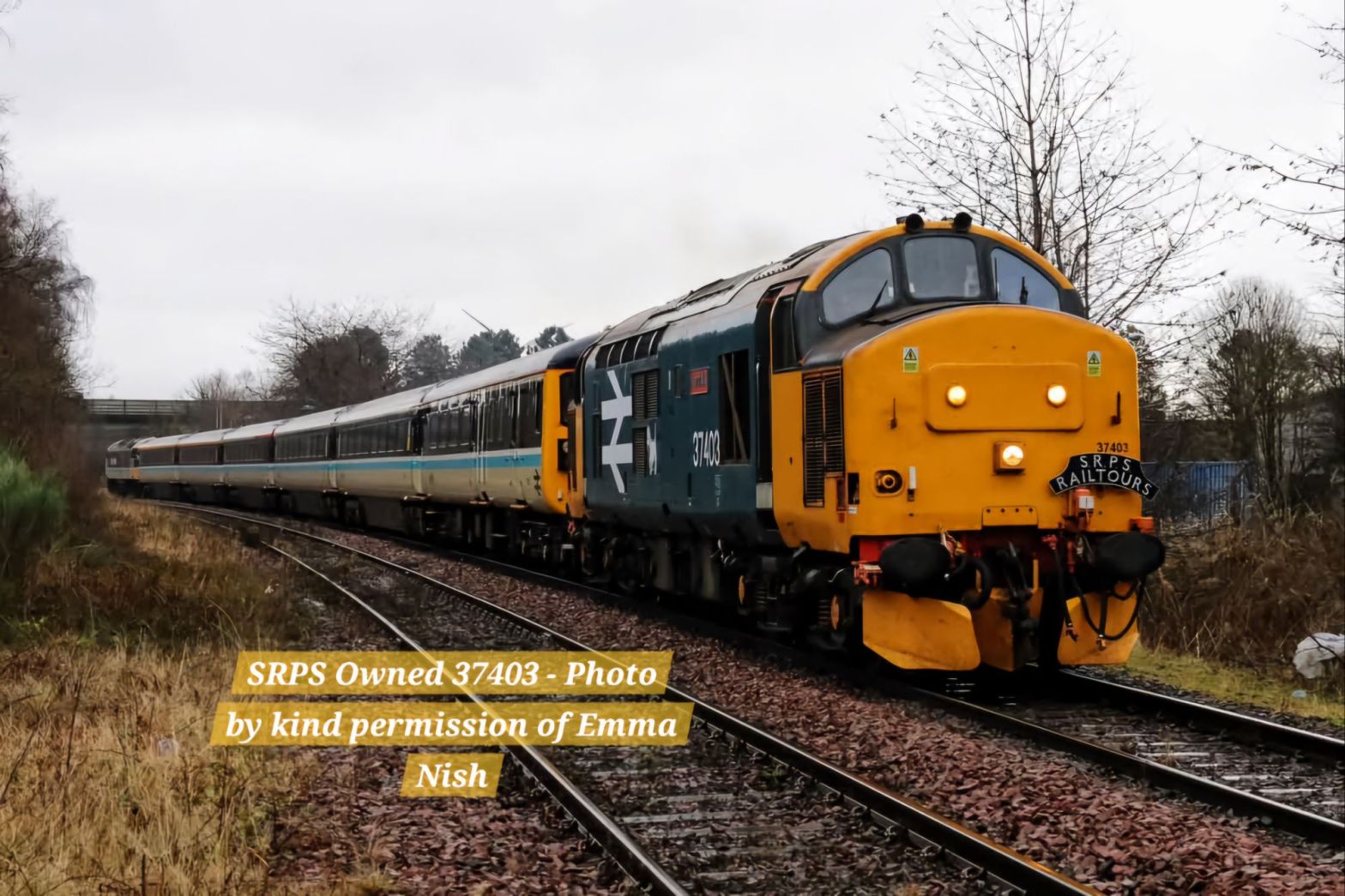
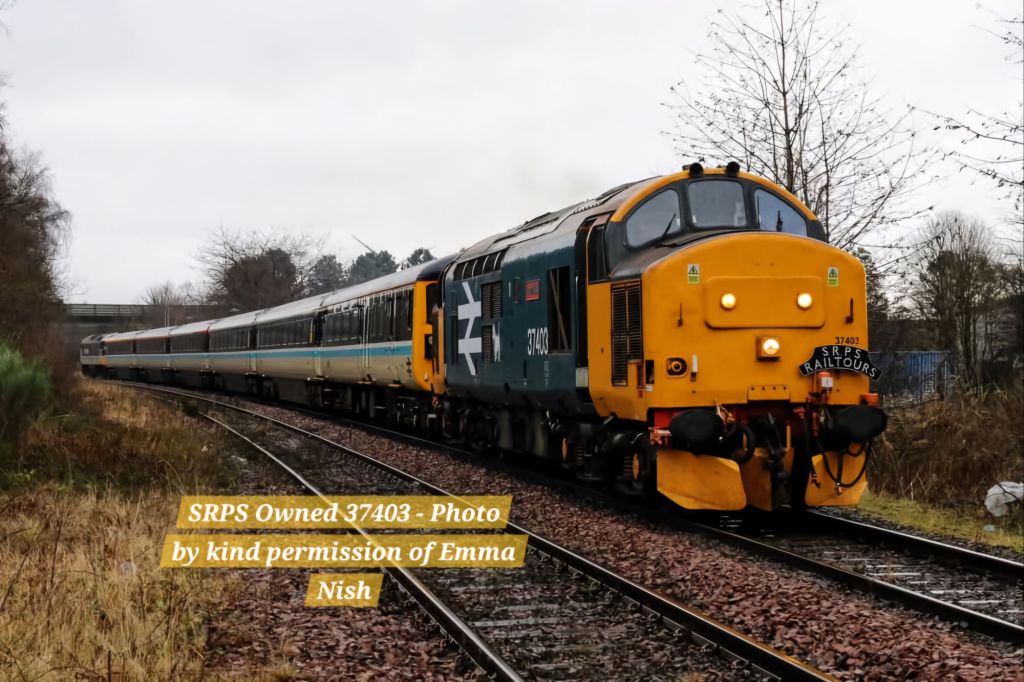
Photo of 37403 by kind permission of photographer Emma Nish

One of the loco’s due to be hauling the train will be Class 37 37403 ‘Isle of Mull’, with a second, as yet unidentified Class 37 working alongside, a photo of the loco working a different excursion is photographed above, the link to the original post is available on our Facebook page.

Rare Route Today, Regular Route Tomorrow?

A journey along this route is exceedingly rare at present for even railtours, the last to my knowledge being the 2017 ‘Bound for Craigy’ Railtour operated by the Branch Line Society (BLS) on March 18th, almost 8 years to the day before The Rambler is due along the same route between Newcastle and Edinburgh via Bedlington.

In that time, the Northumberland Line has gone from the drawing board to firm reality, with stations either completed (as is the case with Ashington and Seaton Delaval), or well underway for the remainder, Newsham potentially being open by the time The Rambler passes through.

This route was an impossible one when the stations were originally open in 1964, as the Morpeth North Curve didn’t open until 1980, long after most of the stations had been demolished during the early 1970’s, the line thankfully still busy with railfreight, particularly coal traffic until very recent times.

The Victorians Nearly Did It: The North British Railway’s Plan For Newcastle to Edinburgh via Bedlington, Scots Gap, Bellingham, and Riccarton Junction

The idea of stations like Bedlington, Bebside, Newsham and more having a connection to Scotland is not totally unprecedented in railway history; indeed it NEARLY happened in the 1860’s…

The North British Railway Company was desperate to reach Tyneside, helping to fund the Border Counties Railway (between Riccarton Junction on the then Border Union Railway (later the Waverley Route, now partly restored as The Borders Railway between Edinburgh and Tweedbank) and Hexham on the Newcastle and Carlisle, now better known as the Tyne Valley Line), as well as the Wansbeck Railway that ran westwards from Morpeth to join the Border Counties line at Reedsmouth Junction (near the village of Redesmouth in Northumberland).

The potential route for North British train between Newcastle and Edinburgh would have been quite extraordinary considering the route taken.

Starting at the Blyth and Tyne Railway Company’s New Bridge Street station, it would have run along B&T metals through Bedlington, before heading towards Morpeth; but not into the current Morpeth station, as the line curved off into the present day Stobhill Estate, the line of the route marked by Kingswell and Stobhill Villas, and the remains of the bridge over the present day A192 Shield’s Road still being visible (image from Google Maps below)

Google Maps image of the former B&T link to the Wansbeck Railway

After crossing the road, another bridge would have carried the line over the modern day East Coast Main Line, joining the Wansbeck Railway (the ‘Wannie Line’), the train having started at Newcastle now headed for Scot’s Gap to reach Edinburgh!

After Scot’s Gap, the train would continue broadly westwards to connect to the Border Counties Railway to head, at last towards the Scottish Border. The original intention was for the Wannie Line to curve north west, towards Bellingham and allow a direct run towards Riccarton Junction, this was, in the end, not to be, which is covered later*.

Had it been built, and worked as originally intended, this very indirect train between Newcastle and Edinburgh would pass through Bellingham, making its way towards Riccarton Junction, passing Plashetts (now beneath the waves of Kielder Water), eventually crossing the Scottish Border, joining what later became the Waverley Route and finally on its way to Edinburgh.

*In the end, however, the route was never built to a layout permitting such a direct run; the North British secured running powers from Riccarton Junction to Newcastle via Hexham, meaning the Wannie Line to Morpeth got connected at Reedsmouth Junction, not Bellingham, meaning any Scotland bound train would need to reverse at Reedsmouth as this junction faced Hexham, not Riccarton Junction.

The dominance of the North Eastern Railway (N.E.R.) which absorbed the Newcastle and Carlisle Line (giving the North British Railway running powers in Newcastle, and leading to the abandonment of the route via Scot’s Gap and Bedlington), and ultimately absorbtion of the Blyth and Tyne Railway Company in 1874 meant this plan never came to fruition.

Alternative History

Things could have turned out very differently though; the North British *might* have retained their option of an independent line to Newcastle via the B&T had the N.E.R. absorbed the Newcastle and Carlisle Railway slightly later, which would have likely meant the junction at Bellingham being built, rather than at Reedsmouth.

The famously independent Blyth and Tyne Railway (B&TR) which waited until as late as 1874 to merge into the N.E.R., might have worked more closely with the North British Railway (N.B.R.) to maintain their independence, perhaps even merging into the N.B.R. rather than the N.E.R?

If these services had become established, then towns like Blyth would likely have had a very different development; it probably would have still been a major industrial town given the large coal reserves and mineworkings to exploit it, but the presence of anglo-scottish passenger trains would probably have had a profound impact on it’s development.

The heavy involvement of the N.E.R. in development of Blyth as a port is a major factor in the later success of Blyth for coal shipment, so NOT being part of the N.E.R. might have resulted in the Port of Blyth being less well developed given the more limited resources of the N.B.R.

In 1882, the N.E.R. had drawn up proposals for what later became the Morpeth North Curve (Warn 1976 p. 35/36), so it perhaps isn’t outlandish to presume that such a connection might have been made to the B&TR to perhaps offer an alternative Scottish route via Berwick Upon Tweed to the North British one via Scot’s Gap and Bellingham?

In the end though, this wasn’t to be, but with the need to provide better public transport and the Morpeth North Curve now in place, perhaps now is the time to implement a Newcastle to Edinburgh via Bedlington route?