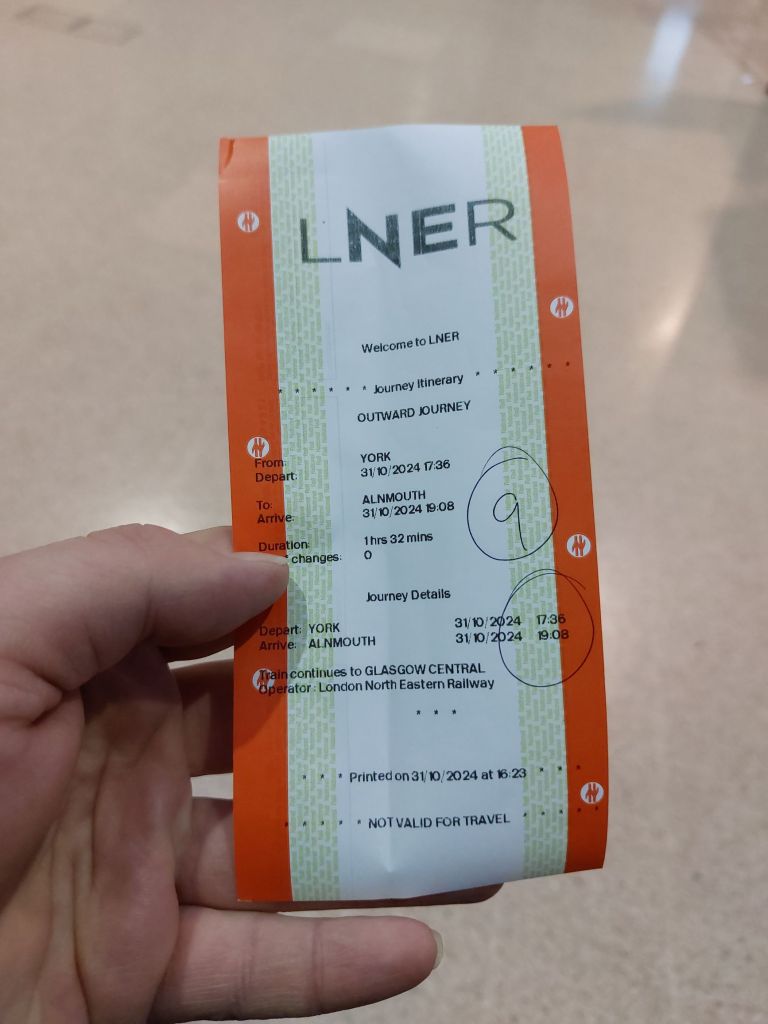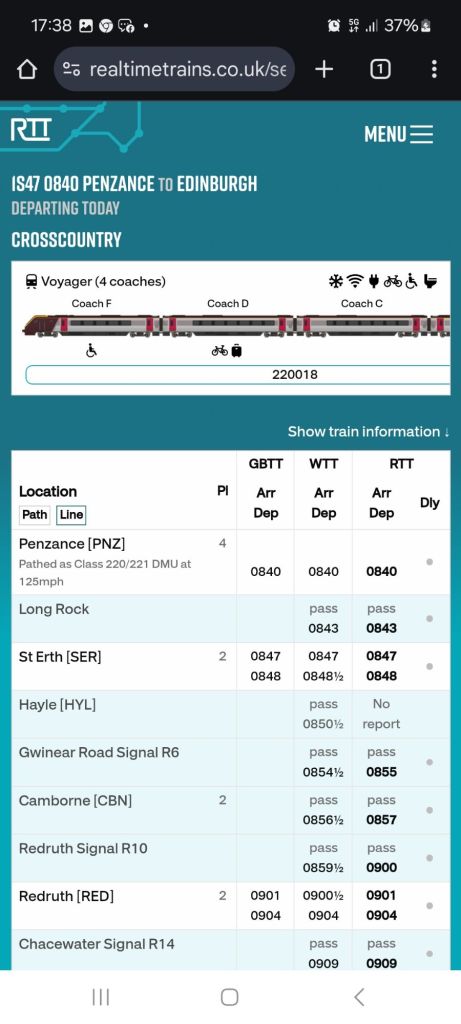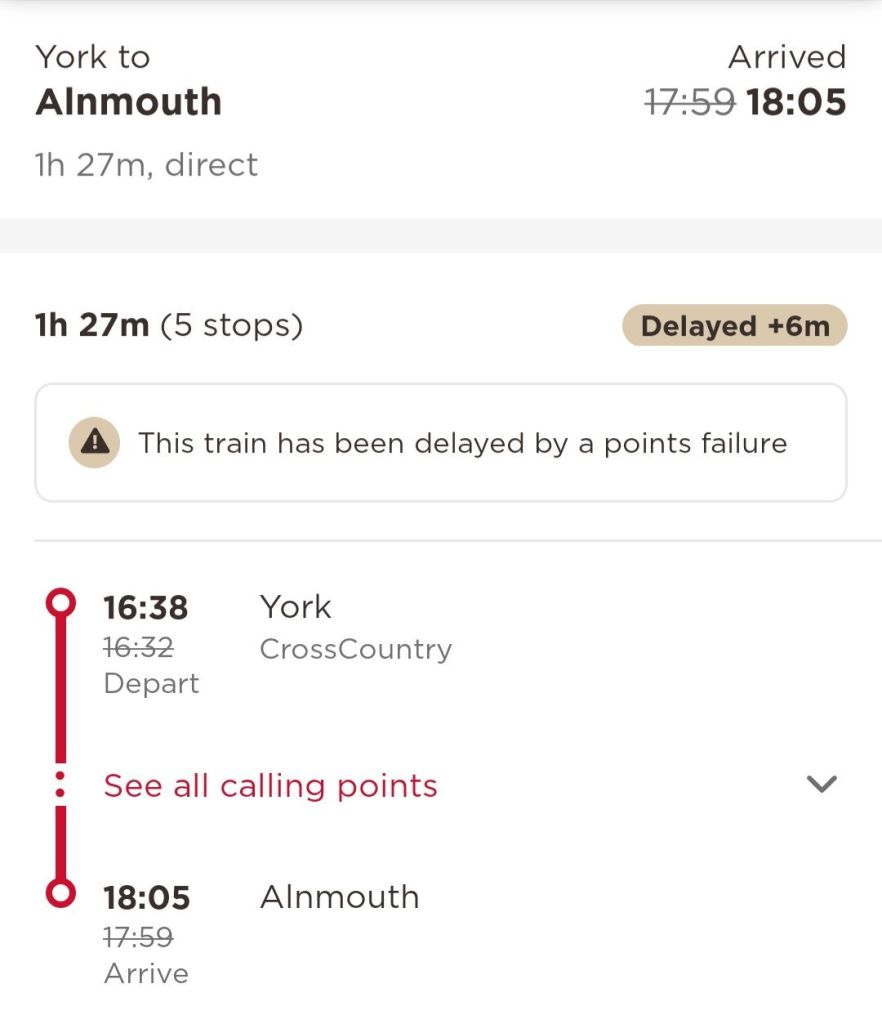
Railtours via Bedlington for Railway200? Realising the Region’s Rich Rail Heritage

This recent article from North East Bylines, a ‘Whistle-stop tour of the Stockton and Darlington‘ shows quite clearly how much of the S&D survives as a passenger carrying route, particularly the section from Shildon in the west to Eaglescliffe and towards Middlesbrough.

Screen shot of the North East Bylines Article with map showing surviving/disused parts of the Stockton and Darlington Railway

While the obvious focus of the Stockton and Darlington Railway’s 200th anniversary will be around the railway itself in the Teesside area, there is a broader opportunity to tell the story of the 200 years of railway history that precedes the S&D.

Worldwide attention will be given to this line as it is broadly viewed to be the birth of the modern railway, and was pivotal into the development of the modern industrial nations of the United Kingdom, USA, European nations such as France, Germany, Italy and many more worldwide, with UK technology often at the forefront.

Industrial heritage is also much more widely appreciated now, with the success of major venues like Beamish Museum, itself home to an 1820’s waggonway in a recreated landscape of the time is likely play a major role in Railway200, but lets also showcase the real places, let’s ‘Walk the ground’ as said by Al Murray and James Holland say on their ‘We have ways of making you talk’ podcast. Venture into the Blyth Valley, tranquil now but once an important industrial site, home to Bedlington Ironworks, step into Stephenson’s Cottage in Wylam where young George was born, walk across the Causey Arch and take a ride on the Tanfield Railway.

Let’s show the world the railways are an important part of Britain’s heritage, and that we can use them today to great effect.

Beginnings with Beaumont

The start of waggonways in the North East starts around Bedlington in c.1600, when Huntingdon Beaumont introduced the technology from his native Nottinghamshire, illustrating a development dating back thousands of years, not just 200. 

Though it wasn’t hugely successful for Beaumont himself (who sadly died as a debtor in 1624), the techology was widely adopted across the North East. One hundred years after Beaumont’s death, the Tanfield Waggonway was completed in 1725 (therefore celebrating it’s own tercentenary in 2025), a full hundred years before the Stockton and Darlington.

Trevithick Genius to Tyneside

It was the Cornishman Richard Trevithick who first developed a viable steam locomotive in 1804, it showing its stuff on the 21st February on Merthyr Tramroad in Penydarren, but was not a total success due to broken rails, and reverted back to being horse drawn after the experiment.

Later in 1804, Christopher Blackett of Wylam Colliery requested Trevithick to send John Whitfield of Gateshead some drawings, a locomotive was built and demonstrated but again was limited by the track technology of the era. This locomotive is said to have started the development of Tyneside locomotives and the engineers who built them.

Waggonways, Wylam and Wrought Iron Wizardry

It was into this rich waggonway world around his birthplace of Wylam that George Stephenson, was born into, being in his early 20’s at the time of Trevithicks early experiments, and in an area full of waggonways and associated collieries, it was a superb situation for Stephenson to develop his locomotives. 

Stephenson’s first locomotive, ‘The Blucher’, was built in 1814 for Killingworth Colliery, and was reputedly the first locomotive to run on flanged wheels and iron rails, 11 years before Locomotion on the Stockton and Darlington Railway.

It is important to remember that George was one of many developing locomotives and wider railways at the time, but the focus with the S&D means that he is the main focus here.

Bedlington is back again with the Birkinshaw Rail 200 years later!

The track technology could be said to have finally caught up with locomotives by 1820, when John Birkinshaw of Bedlington Ironworks developed a malleable iron rail with a wedge shape, allowing for locomotives to work without breaking the track.

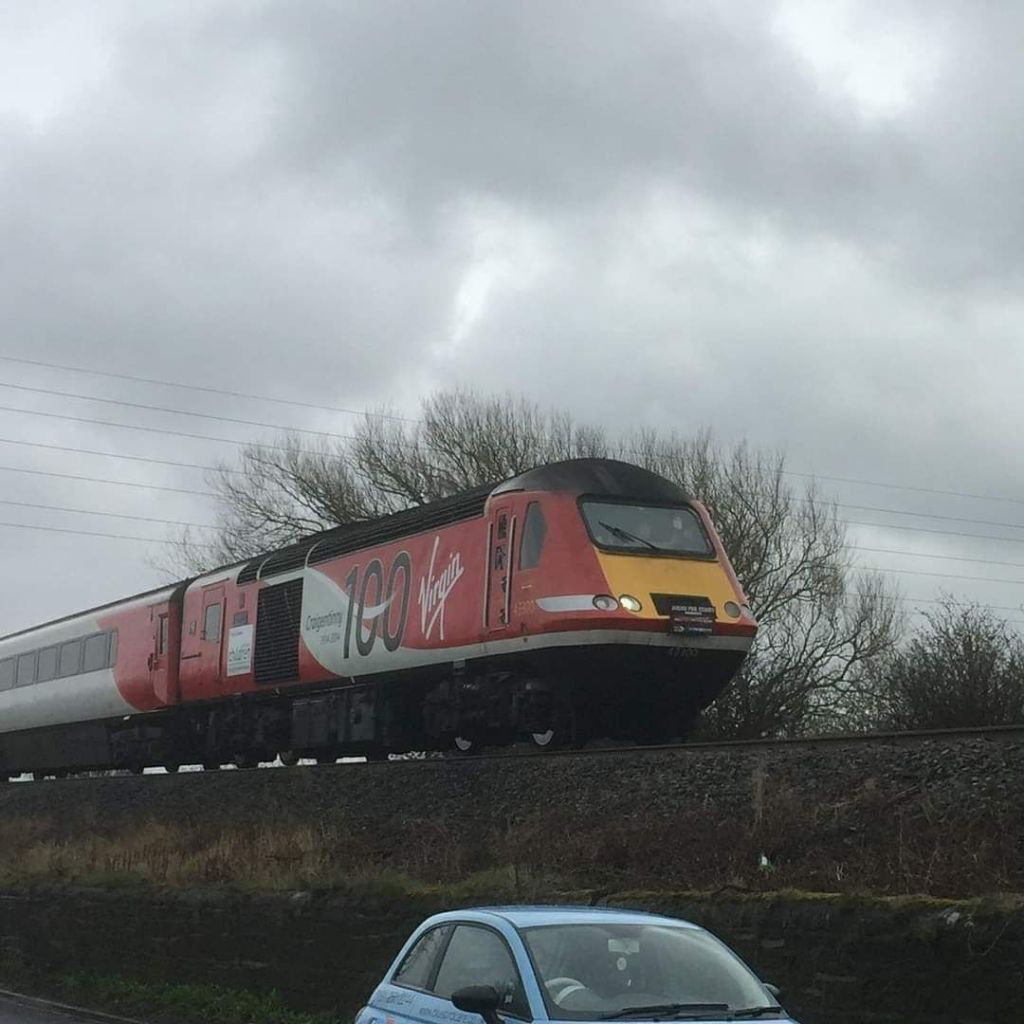
The first section of line laid with this new rail is reputed to be to Barrington Colliery to the north of Bedlington towards the River Blyth, parts of which might still be in railway use today as the Hepscott Line between Bedlington and Morpeth, which the image below shows the ‘Bound for Craigy’ railtour using back in 2017.

It could be contended therefore that any reasonable celebration of the 200th anniversary of S&DR should also include Bedlington, and the valley of the River Blyth as both the starting place for waggonway technology, as well as the later development of the Birkinshaw rail used extensively on the S&D itself, and could certainly be linked to Wylam, Killingworth and more too.

Railtours to Revive the Revolution of Railways in Britain

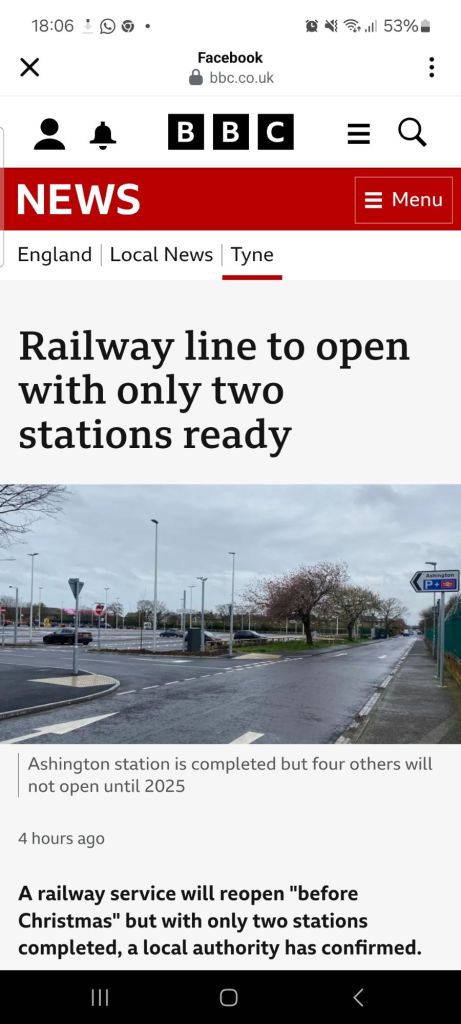
One fitting way to achieve this could be to use the rail network itself to showcase these sites holistically, and showing the up to date development of railways, especially pertinent given the reopening of the Northumberland Line in late 2024.

Special trains would be a fairly inexpensive but effective way to showcase railways as not just an invention of the past consigned to history, but as an effective way of cleanly and efficiently moving people and goods today.

Especially with a modern unit, and if given a dedicated route (as suggested below) the train could be branded with a Railway200 livery, and would act as a travelling advert for a railway revival with the forthcoming Great British Railways and hopefully a new golden era of rail travel.

Use the railway to showcase it’s own history.

Rolling stock

Whilst heritage rolling stock would certainly be welcome on some workings (especially steam/heritage diesel), it is envisaged that most workings would simply be a modern train, which could allow for easily running at upto 125mph on fast sections of the mainline, whereas heritage stock is typically restricted to lower speed limits.

The Route(s)

Given that these sites are only a short distance from the East Coast Main Line (ECML), special trains/railtours could easily run from the major cities along the route, Newcastle would be an obvious candidate, but also Edinburgh, York, and London could all justify special trains.

Edinburgh to Bishop Auckland via Bedlington and Eaglescliffe?

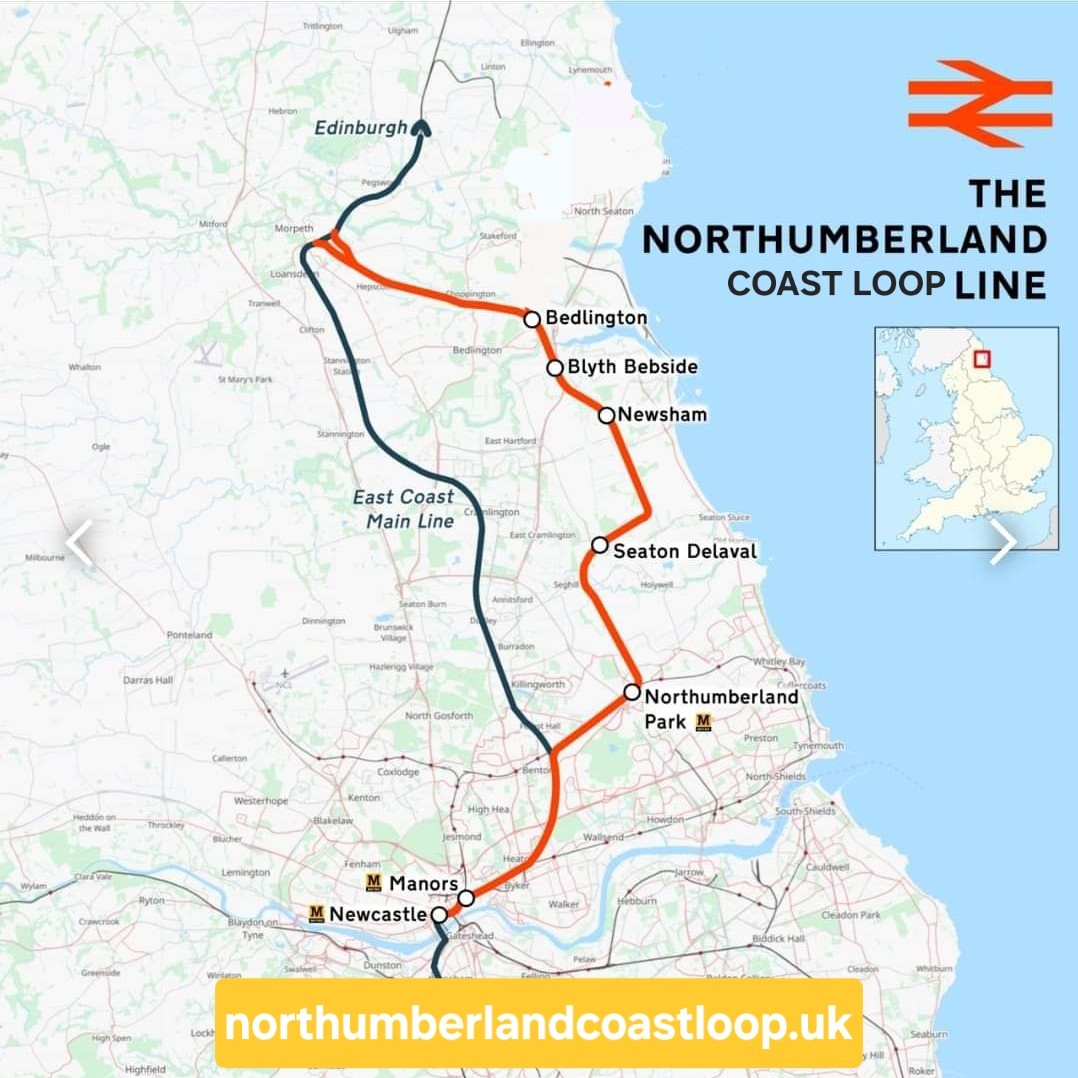
The train would simply travel down the ECML as far as Pegswood, then take the Morpeth North Curve, giving direct access towards Bedlington, and then taking the Northumberland Line route via Seaton Delaval towards Newcastle Central Station. 

This would offer at least a  ‘run-past’ of the Bedlington Ironworks site in the Blyth Valley between Bedlington and Blyth Bebside stations, if one or both were open, and a sufficient service provided it may allow for visitors to step off and visit the valley themselves, bringing some industrial tourism potential to Bedlington and Blyth. Similarly, there could be opportunities to visitors to also visit Dial Cottage, within easy reach of Northumberland Park station by existing bus services.

From Newcastle, these special trains could then make their way to Eaglescliffe, either via the ECML & the Stillington Line or via the Durham Coast route. From there, they could take the route via Dinsdale to Shildon, and thus traversing the major part of the S&DR by train, as well as viewing the valley where most of the rail from the railway was produced and where its design was developed.

A similar return route would offer a better view of the Blyth Valley from Bedlington Viaduct as it was on the upstream side of the bridge, but little evidence remains of the ironworks itself.

This is using the Northumberland Coast Loop route as envisaged, and shows the potential ease of this being implemented as a regular rail route, which could be important in the decades to come, with 200th anniversaries of important locomotives built at Bedlington coming up in the next couple of decades, but a regular service could allow the industrial tourism business to develop in and around Bedlington and Blyth.

Newcastle to Bishop Auckland via Bedlington and Eaglescliffe.

A probably more likely option is a ‘shuttle’ type service beginning/ending at Newcastle and Bishop Auckland and allowing interchange at several stations en-route.

From Newcastle, this route would run to Morpeth, then take the Hepscott Line towards Bedlington over Coopies Lane (recently intensively used for the Lynemouth Biomass services), and would again pass through/call at Bedlington/Blyth Bebside and return to Newcastle Central, before completing its journey towards Shildon/Bishop Auckland via Eaglescliffe.

A similar return journey would again offer a regular service.

Carlisle to Bishop Auckland via Bedlington and Eaglescliffe

A start from Carlisle could allow for a visit/pass by of George Stephenson’s birthplace at Wylam, and upon arrival, would simply follow the above Newcastle to Bishop Auckland via Bedlington and Eaglescliffe route.

This route would have the benefit of easily connecting people along the West Coast Main Line into the S&D special services.

York, London and more

Like the above service from Carlisle, special trains arriving from elsewhere in the UK would likely arrive at Newcastle, before taking the above Newcastle to Bishop Auckland via Bedlington and Eaglescliffe route.

Lets make Railway200 an opportunity to showcase the pivotal place the North East played in the development of railways from Beaumont, to Tanfield, to Killingworth, and the Stockton and Darlington, through to today with the reopening of the Northumberland Line to passengers.

742 In Support Of The Northumberland Coast Loop: Is It The Next Step For Rail In Northumberland?

The Northumberland Coast Loop petition is now finished as of this morning, Sunday 6th October 2024 and has gained the support of 742 persons in the last 12 months.

With the fantastic support of 742 persons, we would like to call upon Glen Sanderson, leader of Northumberland County Council, as well as other elected leaders such as Kim McGuinness, Mayor of the North East, and Louise Haigh, Secretary of State for Transport, to respond to this petition publically.

This route, using the existing freight-only railway between Bedlington and Morpeth/Pegswood could offer direct northward connections from South East Northumberland, and North Tyneside to North Northumberland and Scotland (Edinburgh).

Such a link could bolster the opportunities for places in this area by providing much more direct connections to economically thriving areas such as the Scottish Central Belt, and recognising that areas such as the Blyth Estuary are nationally important by giving them national connectivity.

Sites such as Cambois, whilst not directly on the route, are hopefully going to become home to very serious big investments, such as the £10bn Blackrock investment into a datacentre campus, with work beginning in 2025, alongside many other established firms in Blyth such as Dräger, or Cobalt Park, all of these being sites near to Blyth Bebside and Northumberland Park stations, which would see these long distance services connecting to. 

This route doesn’t require any additional stations to be built for it to work, simply using those already existing, or currently under construction as part of the Northumberland Line project, itself being completed in less than a years’ time (final stations due for completion in 2025).

That being said, services along the Hepscott Line would support a new station at Choppington, an area seeing a great deal of new housing development with sites such as Longridge Farm in Bedlington and Willow Farm at Choppington, as well as a large, established population in Bedlington, Guide Post and Stakeford who’d be more easily connected via a new station on this route.

This route also ties in extremely well to the heritage of the railways, with the Blyth Valley being where Huntingdon Beaumont introduced the waggonway to the North East 200 years before the Stockton and Darlington, starting a chain of developments that led directly to the development of early railways by George Stephenson and many others; for example John Birkinshaw who developed the malleable iron rail in 1820 in Bedlington Ironworks, which was used for two thirds of the Stockton and Darlington’s track.

This route would make enormous sense to showcase as part of the Railway200 celebrations in 2025, as it would show Britain as the technological leader of the past, with the development of early railways in this region, but also heading the Green Revolution with the renewable energh sector centred around the Blyth Estuary and rail investment in modern railways to drive modal shift to greener and cleaner modes of transport. 

Let’s see this route happen in 2025? 

LAST CHANCE!

Today, the 5th October 2024, is the closing date for the Northumberland Coast Loop petition, which will be closed at midnight.

It has received fantastic support so far, and thank you to all who’ve signed up!

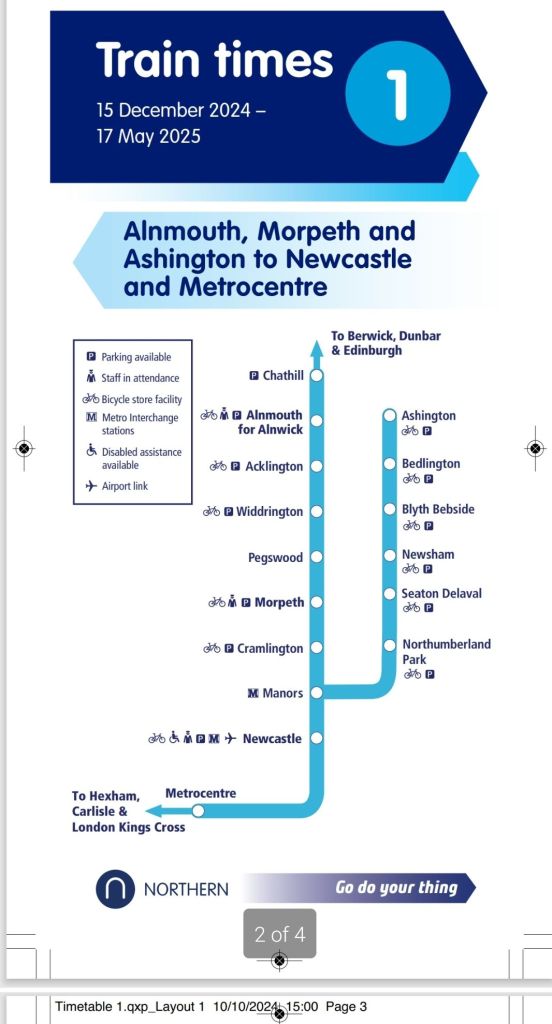
The proposed route would see the Northumberland Line at Bedlington, connected via the Hepscott Line to Pegswood and allow direct connections between South East Northumberland (Bedlington, Blyth etc) to North Northumberland (Alnmouth (for Alnwick, Berwick) and Scotland (Dunbar, Edinburgh etc).

If you haven’t already, please sign the petition here: https://chng.it/f6MGxdzXfJ

Plessey Viaduct: One Year Later

On 9th October 2023, a little under a year ago, ITV broke the news that a structural issue had occured to Plessey Viaduct over the River Blyth, with the parapet of the bridge becoming dislodged and resulting in significant disruption to the East Coast Main Line (ECML) for several weeks while repairs were made to the viaduct.

Screenshot of the ITV article on Plessey Viaduct problems.

A lot of talk at the time in local railway Facebook groups suggested the alternative and established diversionary route via Blyth could be used, should the viaduct be completely closed to traffic, or for some workings, though this was complicated by the ongoing Northumberland Line works at the time.

The Northumberland Coast Loop petition slightly predates this event occuring, being launched on the 5th October 2023, just days before the viaduct as Plessey suffered from a parapet issue, but highlights the potential usefulness of this route for diversionary purposes.

In the event, the viaduct remained partially open, albeit with quite significant disruption to services, and only a few trains were diverted over the former Blyth and Tyne route (now the Northumberland Line); the most notable example perhaps being the Flying Scotsman (the loco) being sent light engine plus support coaches on 11th October 2023.

Screenshot from the Aln, Blyth and Tyne Railway Group of Flying Scotsman on its detour, 11th October 2023 (original film by K. Tait)

Moving forward to today, the Northumberland Line is now steadily heading towards completion, with driver training well underway. Now is perhaps the opportunity to see this route used routinely by passenger services branching off the ECML at Morpeth North Junction, and heading towards Newcastle via Blyth?

This would help drivers to retain route knowledge, by making it a regular route it would mean regular staffing, and wouldn’t present a huge issue to divert trains if all drivers were familiar with this as an alternative route between Newcastle and Edinburgh.

The other benefit of regular working is ensuring the compatibility of rolling stock, for example the bi-mode Class 80x’s used by LNER on the Tyne Valley Line recently could easily run via the Blyth and Tyne route too.

As stated in previous posts, services direct between SE Northumberland/North Tyneside and North Northumberland/Scotland could bring major economic benefits; easier connections to the Blyth Estuary would attract more businesses, and more investment into new industries, esp with easy links to Edinburgh, a major capital city and gateway to the Central Belt of Scotland.

Please sign the petition if you haven’t already done so to show your support, and feel free to share this post too!

2025 the Year of the Northumberland Coast Loop?

Next year is Railway200, a celebration of 200 years since the opening of the Stockton and Darlington (S&D), widely viewed as the beginning of the ‘modern railway’.

However, there could be, as set out in this blog post, a case for Bedlington400+, and Tanfield 300 to tell the important story of more than 200 years of waggonway history building up to the opening of the S&D.

Where the Northumberland Coast Loop fits into Railway200 and Bedlington400+

As set out in the above blog, railway history really started in North East England with Huntingdon Beaumont and his Bedlington Waggonways, technology he brought from his native Nottinghamshire, and led to the development of North East waggonways, pivotal to the development of the coalfield and the modern railways that spawned from waggonways.

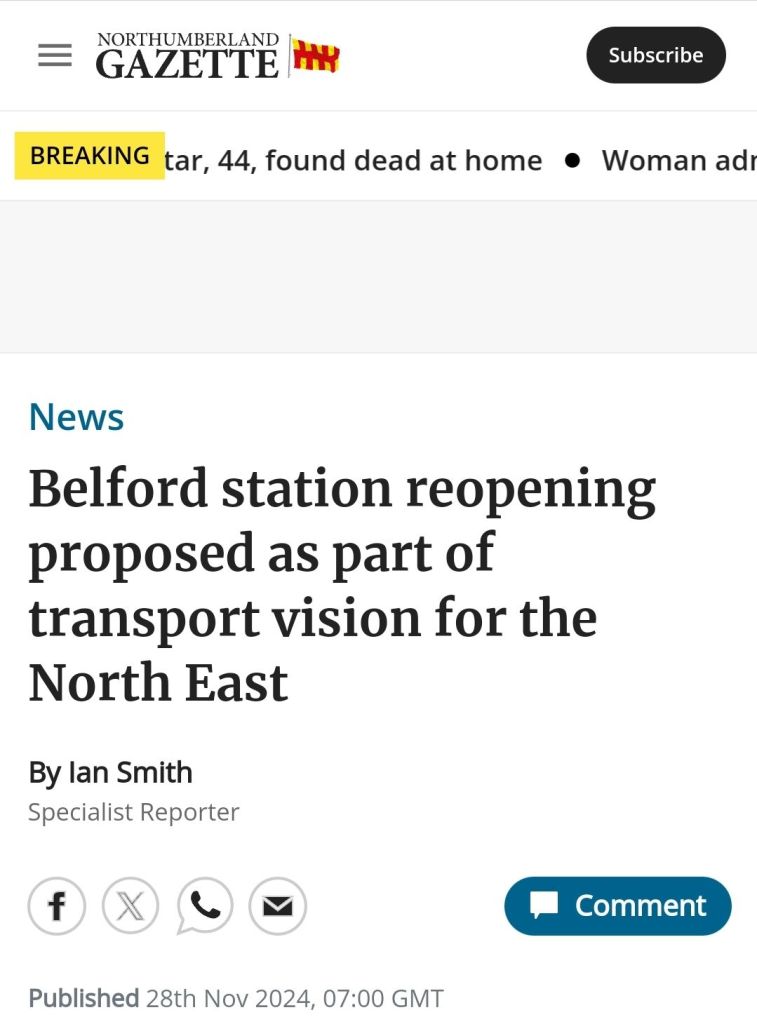
Bedlington is soon again to become part of the national passenger network with the reopening of Bedlington Station due in 2025,  alongside the wider Northumberland Line, which opens up a potential tourism opportunity.

Visiting Rail Heritage Sites by Rail

If the Northumberland Coast Loop route is developed, it would put Bedlington on a direct through route between Edinburgh and Newcastle Upon Tyne, both major tourism centres in themselves, with options to extend beyond at either end for truly national visiting opportunities.

Bedlington rails, as one example were key to the success of the Stockton and Darlington, and the Railway200 celebrations focussing on this line, the story of Bedlington is also worth telling, and given its potentially easy access by rail from Newcastle, Edinburgh as wider UK, why not run special trains (railtours/scheeduled trains or a mix of both) to take tourists to this important rail site by rail? A connection from Darlington to Bedlington would be easily achievable, and could even use the ‘balloon loop’ layout from Newcastle, to Bedlington, to Morpeth to Newcastle to avoid need to reverse the train at the Bedlington end of the route.

Dial Cottage, the home of George Stephenson is also within easy reach of Northumberland Park station via the 352 North Tyne Rockets bus, and beyond Newcastle, trains continuing onto the Tyne Valley Line could access Wylam for George Stephenson’s Cottage (his place of birth), as well as Dunston for the Staiths and the Tanfield Railway (itself celebrating it’s 300th anniversary in 2025).

Route Map of the proposed Northumberland Coast Loop
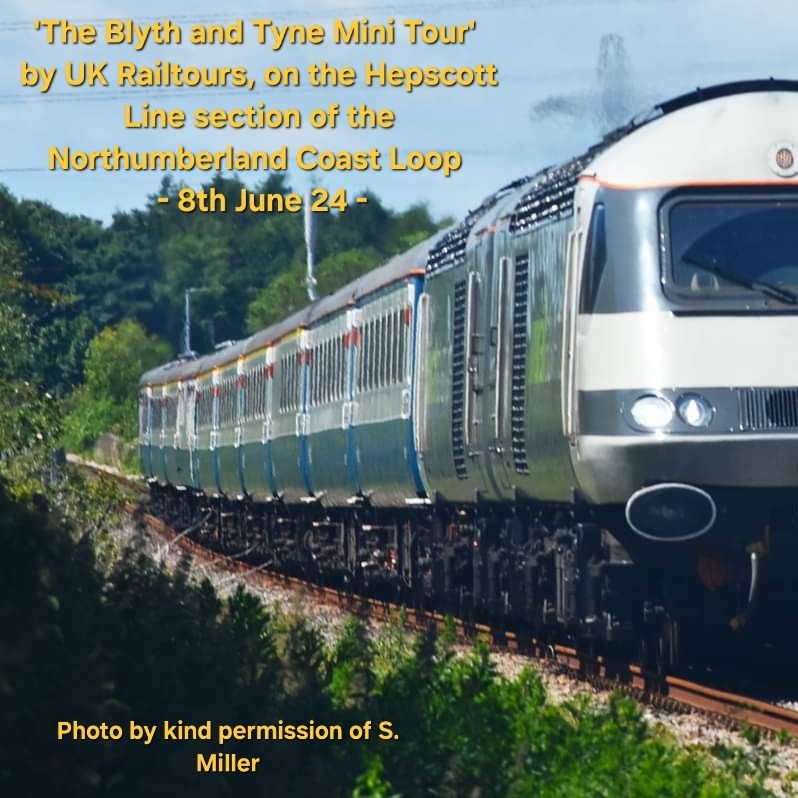
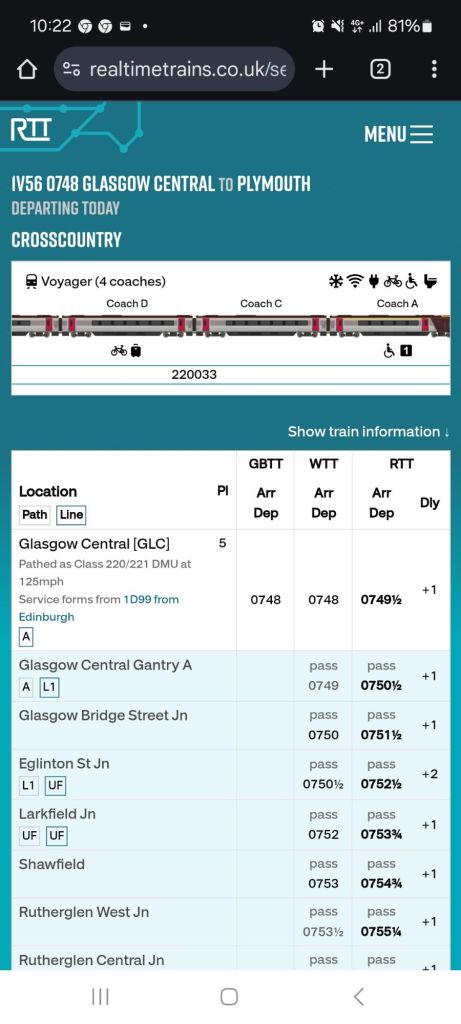
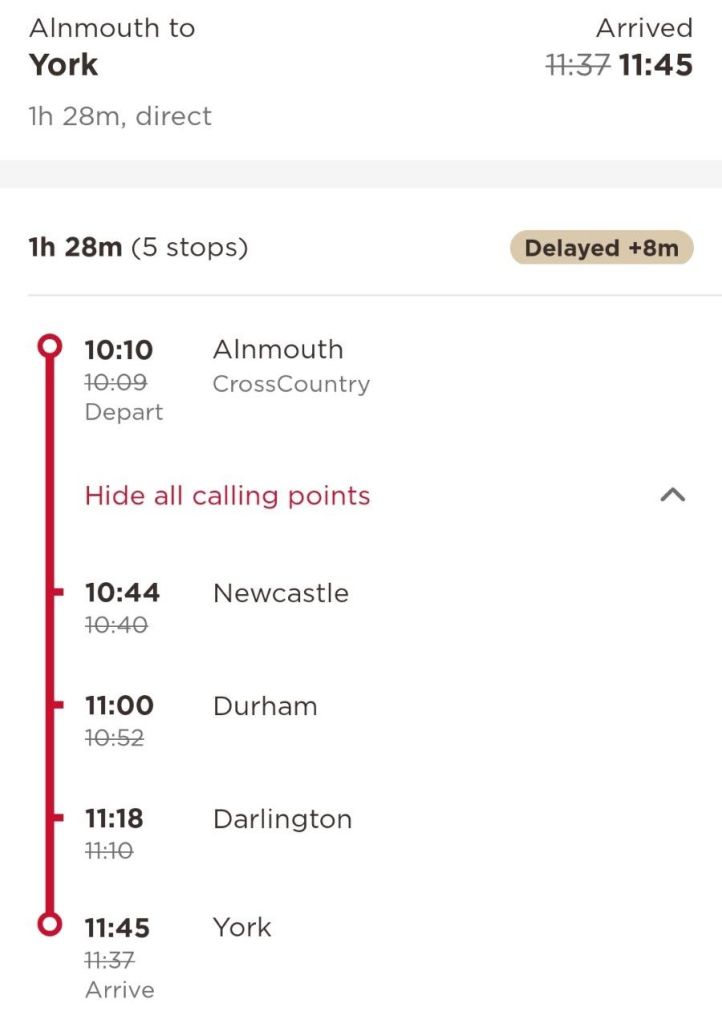
UK Railtours trip 8th June 2024
Bound for Craigy Railtour in 2017

This could either be used for specific railtours (as per the two examples shown above) or as scheduled ‘ordinary’ trains just using the route to showcase the heritage of the area, alongside demonstrating the potential benefits of this route for improving local public transport.

If you’d like to support the Northumberland Coast Loop, please sign the petition here ahead of it closing on 5th October

Transport Action Network calls for cancellation of the £15bn RIS2 Road Building Programme that includes the A1 in Northumberland.

This recent article in the New Civil Engineer cites a campaign by Transport Action Network for the cancellation of the RIS2 road-building programme, which would include the dualling of the A1 between Morpeth and Ellingham.

In the document, the revised benefit/cost ratio (BCR) for the A1 scheme comes back at just 0.8, meaning for each £1 invested, a return of only 80p is expected. This gives the ‘upgrade’ a rating of ‘poor’ value for money. It also threatens areas of Ancient Woodlands.

Like many other organisations are now calling for, a national transport strategy needs to look at ALL modes of transport together, and investment into railways, active travel infrastructure and other forms of public transport often give a much better economic return, as well as actual reduction of emissions and road congestion.

As can be seen from the screenshot above, the A66 scheme would cost around £1.5bn with a BCR of 0.96, which means an ecomomic loss of approx £60,000,000; whilst the Portishead to Bristol rail scheme has a cost of £200m and a BCR of at least 2.0, meaning an economic gain of at least £200m above its cost.

Simple maths says that these investments are a bad idea.

The A1, taking the figure quoted above of £261.6m, and a BCR of 0.8 would mean an economic loss of £52,320,000 on this one scheme alone.

Road investment should be part of a wider national strategy, and schemes like the Northumberland Coast Loop (NCL) would likely have a much greater BCR (East Coast Main Line (ECML) schemes tend to have a BCR of approx 2.73).

Given that the A1 and the ECML/NCL routes are pretty much parallel routes between Newcastle and Berwick Upon Tweed, lets see them compared directly and what the economic returns would be?

I would like to call on our elected representatives such as local MP’s, North East Mayor Kim McGuinness and leader of Northumberland County Council Glen Sanderson to respond to this call for cancellation of the A1 scheme but to instead make significant investments into the ECML (and to investigate the potential of the Northumberland Coast Loop as an expansion of the soon to open Northumberland Line).

Is there really a huge desire to see the A1 dualled? Why not improve the ECML instead?

A recent Chronicle article sets out an apparent ‘huge desire’ from Northumberland residents to see the A1 dualled, but is there really such a huge call for it? 

Dualling the A1 is poorly supported.

Going back to 8th March 2012, a petition by Anne-Marie Trevelyan, later MP for Berwick Upon Tweed to ‘DUAL THE A1 FROM MORPETH TO THE SCOTTISH BORDER‘ closed after six months of being open, having attracted only 624 signatures in those six months. Since then, there have been several promises by a range of Governments to dual sections of the road and none have come to fruition.

At the most recent election, it is also important to note that the winning candidate for the new North Northumberland seat, David Smith MP of Labour stood on a neutral platform for dualling the A1, while the former MP for Berwick, amongst other candidates stood for dualling, suggesting that the voters in North Northumberland don’t actually want the A1 dualled that strongly.

Greater support for rail investment?

In contrast, the Northumberland Coast Loop petition, at the time of writing, has 697 signatures since its launch on 5th October 2023, which suggests stronger support for the Northumberland Coast Loop than dualling the A1.

During his passionate and well-delivered maiden speech on September 4th 2024, David Smith, MP for North Northumberland made multiple references to the East Coast Main Line which runs through his constituency, with major stations at Morpeth, Alnmouth and Berwick all recieving a mention, with its magnificent views of one of the most beautiful places in England, with not a single reference made to the A1.

Dualling the A1 should, perhaps be laid to rest as a project of the past, to meet our climate objectives as set out today in a speech by David Lammy from Kew Gardens, we surely cannot commit to dualling when CO² emissions of 1.44m tonnes would be attached to it?

The UK, and many other nations are increasingly moving to a green economy, manufacture of renewable energy infrastructure is a key part of the future for the Blyth Estuary area, surely the transport network serving that area should also be as green as possible?

The Northumberland Line is a welcome first step, but the Northumberland Coast Loop could be the next stage in better connectivity around a much wider area of Northumberland.

Based on strong evidence from the East Coast Mainline Authorities, expansion of the role of the ECML and connected lines is a much more assured path to economic growth, with figures from their document suggesting per £1 invested, it generates upto £2.73 in wider economic benefits (see image below).

The A1, by contrast, would bring far less investment back, and indeed risks a loss being made with a benefit-cost ratio as low as 0.8, which means for each £1 invested, it may result in as little as 80p returned.

If you’d like to support our petition before it closes, please visit it here and add you signature: Northumberland Coast Loop Petition.

UK’s Tallest Christmas Tree at Cragside – A lesson in bus/rail connections?

This article from the Northumberland Gazette discusses the upcoming decoration of  a 42m high Giant Redwood being decorated at Cragside this Christmas, probably the largest Christmas tree in the UK. Given that this very popular National Trust site generates many trips year round, but especially for what is likely to be a spectacular in-person Christmas event, sustainability of transport to it should be discussed.

A feature of the decoration of this tree is the low impact, with the cleanest possible power sources to light the tree and avoiding fumes. This is very fitting with the overall ‘green energy’ ethos of Cragside, which was developed by William and Margaret Armstrong; with William being a pioneer of clean energy, and who famously advocated for renewable energy sources, quite different from many of his peers at the height of the Victorian engineering age.

William Armstrong would, if he were alive today, arguably advocate for cleaner modes of transport for visitors to access Cragside, and this is actually within reasonable reach using existing technology today, it just needs a little bit more of a cohesive plan, which I’ll outline here.

Alnmouth (for Alnwick) to reach Cragside?

Using Google Maps, a trip from a city such as Edinburgh to Cragside, using public transport as it stands could take as little as 2hrs 3mins (compared to 2hrs 8mins to drive), using the East Coast Main Line to Alnmouth Station, although this is very much like a ‘swiss cheese model’ of everything aligning up well, with a lot of variation at other journey times.

This highlights the need for a regular ‘drumbeat’ service (sometimes referred to as a ‘taktfahrplan’ or clockface schedule) on the both the East Coast Main Line and local buses to ensure trips such as this would have a consistent timing and not vary by up to an hour of additional travel time as can be seen below.

Screenshot of public transport journey times from Edinburgh to Cragside

The fastest trip is selected below (2hrs 3mins overall) as perhaps the ideal route to follow (faster than driving)

Google Maps screenshot showing rail + bus + bus trip from Edinburgh to Cragside via Alnmouth.

While the above is good, it could be easily be improved by developing the bus connection. At present, it would mean boarding the X20 Max to Alnwick Bus Station, then transferring to the 471 to then reach Cragside, it works but it could be better. 

Alnmouth Station as an Interchange

The 471, rather than terminating in Alnwick Bus Station, could and arguably should be extended beyond Alnwick to Alnmouth Station. This would avoid the need to change buses, making it a ‘one change’ service, which improves the convenience of the service as a connection, while also having the additional benefit of better connectivity between Alnwick and Alnmouth stations, as an extended 471 could run alongside the X20 between Alnwick and Alnmouth.

This would, potentially be an extremely simple change to implement, but one that would make access to Cragside (as well as Rothbury) easier to access for distant places without use of cars, opening it up to more visitors (many people have no access to a car/unable to drive), as well as reducing issues like congestion or parking for vehicles, and would sit well with the sustainable aims of Cragside and the Armstrongs, and not far from the ‘green travel tips’ explored recently in the National Trust Magazine itself (Spring 2024).

Spend £1, get up to £2.73 back; why investing into the ECML makes more sense than dualling the A1 in Northumberland.

Another recent article in the Northumberland Gazette raises concerns about dualling of the A1 between Morpeth and Ellingham potentially being cancelled once again.

In one of our recent blog posts, we set out the case for expanding the capacity of the East Coast Main Line (ECML) rather than dualling in detail, but in a nutshell here are the key arguments against the A1 and in favour of the ECML.

Economic

The benefit to cost ratio of dualling the A1 is in a range of 0.8 to 1.2, meaning for each £1 spent, you might expect somewhere between 80p and £1.20 in economic return. That means there is a real risk that you could actually lose money on the ‘investment’ into it, and at best you make a very modest return.

By comparison, figures from the ECMA (a consortium of local authorities along the East Coast Main Line) comissioned a study which stated that overall, for every £1 invested in the ECML, it generated a £2.73 economic return, nearly tripling what was originally invested.

The investment into the Northumberland Line is a clear example of railway investment benefitting an area already quite well served by dual carriageways (A189 Spine Road), with house builders such as Miller Homes stating this publically due to improved connections into Newcastle. The A189 has existed for decades, and the areas surrounding it have struggled economically in that time, the return of the railway is hopefully the beginning of a brighter future for the area, and in our view, is relatively easily expanded upin using existing lines.

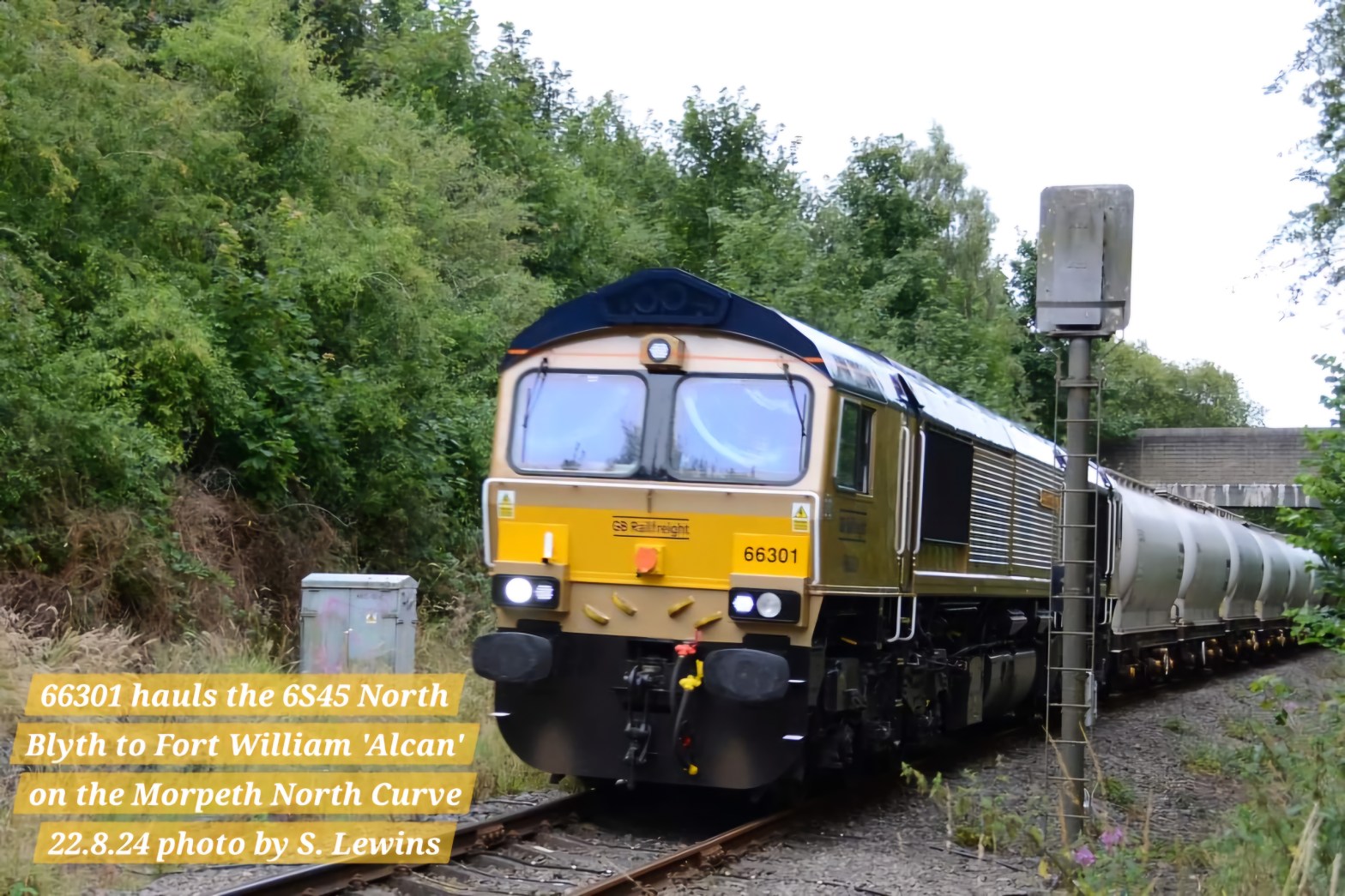
Investing into the Hepscott Line for example, which links Pegswood and Bedlington together could allow a direct northbound connection from Blyth, Bedlington, and North Tyneside to North Northumberland, and Scotland. It would be upgrading an existing route, already regularly used for the North Blyth- Fort William ‘Alcan’ freight, so should be quite a cost-effective route to utilise.

Economically, rail investment pound for pound would, from the evidence provided by rail advocacy grouos, appear generate a much greater return on investment and be a more sure way to boost the local economy rather than road schemes which could potentially be loss making.

Even multi-lane motorways like the M6, A1(M) and many more still suffer from traffic problems, so dualling alone won’t magically ‘solve traffic’.

Safety

As stated in more detail in the previous post, the effect on safety is limited by dualling a road, as research by Space 4 Gosforth has shown, the accident rates on dualled sections are very similar to those on the single carriageway sections. It also doesn’t improve safety on other roads where people have tragically lost lives or been seriously injured.

Again, rail travel is far safer; with nationally no passenger fatalities since the tragic accident at Stonehaven, Scotland in August 2020, and on the ECML in Northumberland, the last fatal accident being the derailment of the ‘Aberdonian’ in May 1969. Moving more people by rail and other modes of transport is far safer than driving.

Even bodies such as the Health and Safety Executive state openly that ‘Driving for work is one of the most dangerous things workers will do., and infers modal shift away from roads ‘Eliminate or reduce long road journeys by combining with other ways of working or other forms of transport. For example, move goods in bulk by train and then arrange for local distribution by van or lorry, or arrange meetings using conference calls or video links.

So again, investing into the ECML would allow more railfreight to go by rail rather than road, as well as more people travelling by rail, improving safety. The investment into the Northumberland Coast Loop, alongside the wider ECML upgrades coukd allow for greater modal shift of people travelling between SE Northumberland/North Tyneside and North Northumberland/Scotland by reducing journey times and making it a ‘one seat ride’

Sustainability

Movement of both people and goods by rail is one if the most efficient modes of transport possible and one of the cleanest, even considering the continued uses of some diesel trains at present, though many on the ECML are 100% electric.

Going forward, investment into improving the electrical capacity (a known constraint between Newcastle and Edinburgh) would allow for longer and heavier electric trains that can have more seats or tons of freight per train.

In comparison, just the 11 miles of Morpeth to Ellingham dualling is forecast to release 1.44m tonnes of CO² over 60 years, which goes against Net Zero commitments made both locally by Northumberland County Council, and nationally by the UK Government.

While the ‘loop’ section of the Northumberland Coast Loop between Morpeth North Junction and Benton Junction (taking in the Bedlington to Newcastle section of the Northumberland Line is currently unwired), that issue can overcome by bi-mode or tri-mode units, many of which are now battery-electric type for passenger services, and longer term wiring of the route has been identified by Network Rail, which could be brought forward to allow more trains to operate on electricity rather than diesel going forward.

There are also the wider environmental impacts of road traffic than just tailpipe emissions, even if road transport was to become 100% electric, those vehicles would still add to congestion, parking problems and the loss of space to urban sprawl and other connected issues. 

Conclusion – Invest in the ECML/N.C.L.

Based on the above data and evidence, investment into the ECML & N.C.L. through Northumberland would be a much more sound investment from every angle than adding road capacity to the A1.