An interesting article from North East Bylines ‘A tale of two branch lines’ by Mark Corner which comes very close to mentioning the Northumberland Coast Loop campaign except in name, but it is a great read and I’d wholly recommend doing so!
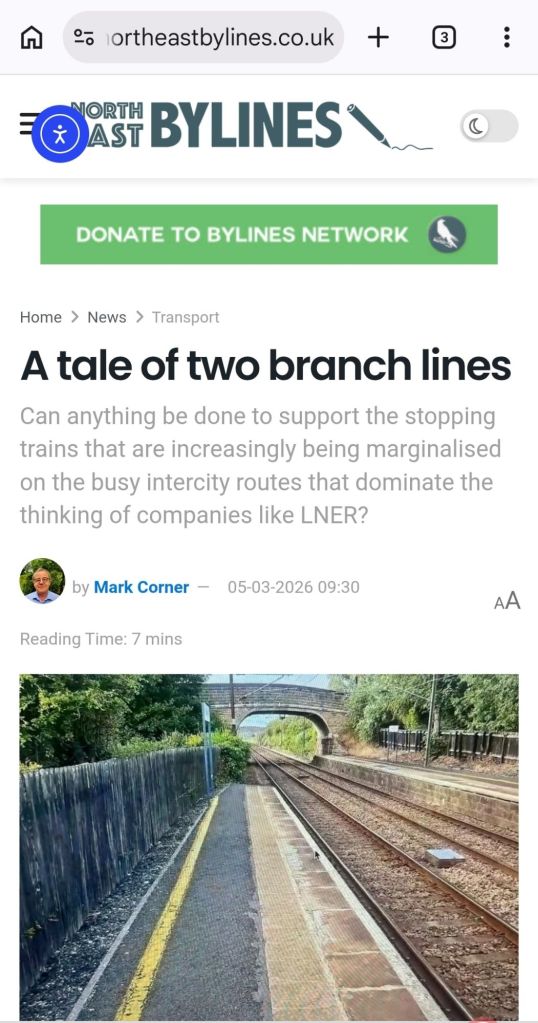
If the original writer, or any other wishes to write about the Northumberland Coast Loop, please feel welcome to do so.
Please look below for a detailed reply that hopefully outlines a broader case that North East Bylines has outlined in their article.
Petition progress
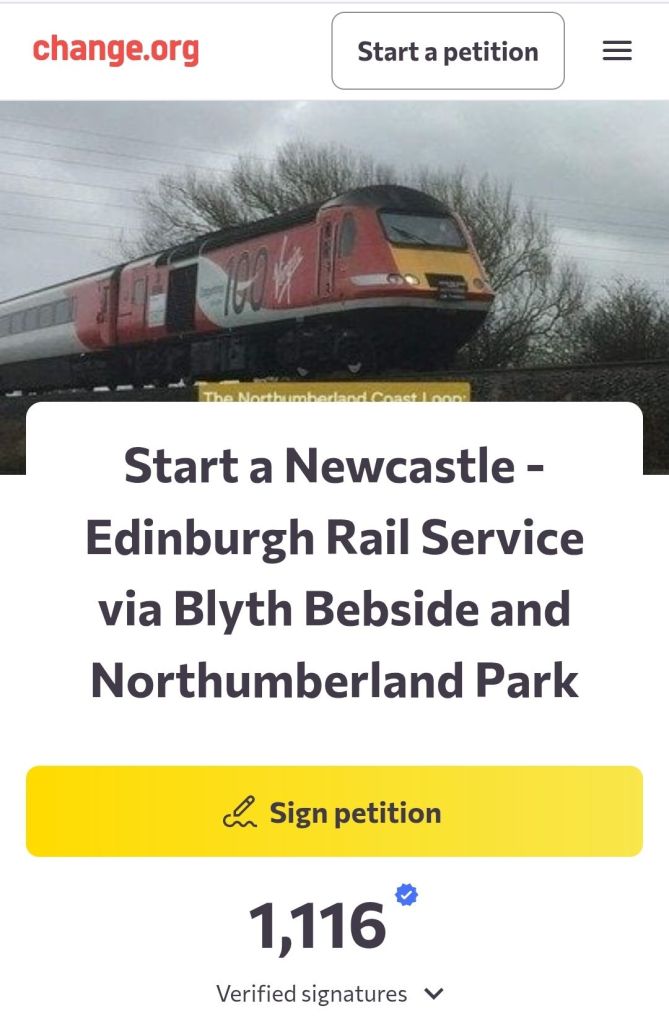
Destination Northumberland; far from ‘Desolate’
Northumberland could be said to be a ‘forgotten paradise’ between Newcastle and Scotland; we have beautiful places like Bamburgh Castle and its neighbouring beach, magnificent gardens and stately homes, and breathtaking views such as that looking out over Lindisfarne on a beautiful day.
There may be something of the legacy of Northumberland being the place of pitheads and industry; the ‘grim up north’ of old, but Northumberland in 2026 is a picturesque county, with the only pithead left at Woodhorn now an excellent museum, no longer a working pit winning coal. The last deep mine to close, Ellington ‘Big E’ closing suddenly in January 2005.
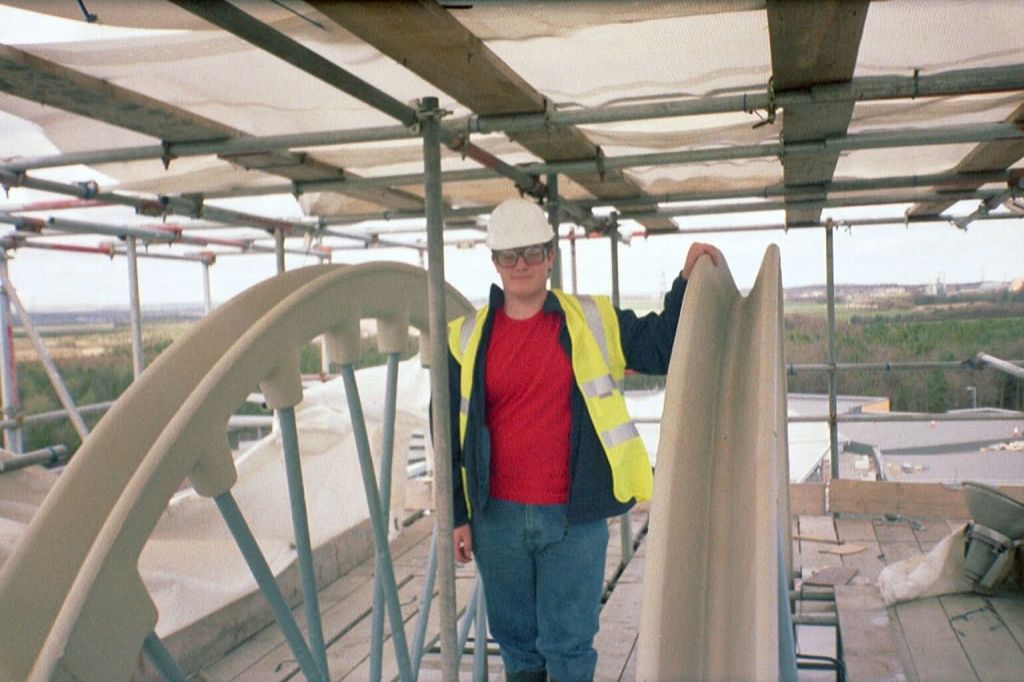
Indeed back during the 2006 refurbishment at Woodhorn Museum, back when the ‘cutter’ building was being built (now home to Northumberland Archives) I was exremely lucky to visit the site, and get to the very top of the upcast headgear. This is pit with a long personal connection, with my father being photographed at Woodhorn by local photographer Mik Critchlow as part of his ‘Coal Town’ series.
I’m the first of many generations of my family to not be ‘doon the pit’; the economy of Northumberland has fundamentally changed away from getting black diamonds out the pit into power stations or shipped from ports with coal staiths at Amble, Blyth, or on Tyneside.
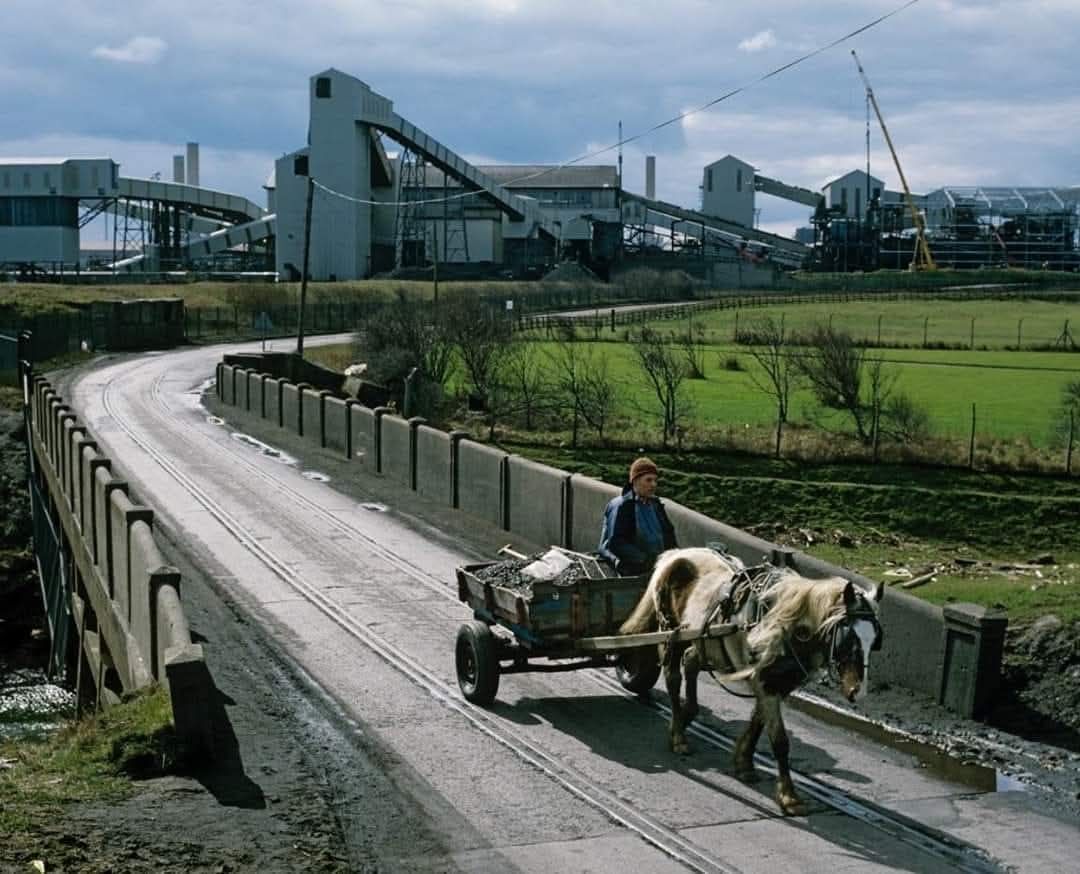
Personally, I feel a bit of sadness in not following in my family footsteps, but it is also an industry that many fathers, including my own didn’t want their sons to enter; knowing it was a dangerous job, and one that could leave a significant impact on a miner’s health too. Members of my own family loss their lives underground. It is a complex relationship of both pride in the hard graft of my forebears, but also an appreciation of the terrible sacrifices made to keep their families fed; risking your health and life at work is thankfully something that most now avoid.
These changes to the employment and economic basis of Northumberland is highly relevant to what the railways now find themselves suited for. Gone are the thousands of coal waggons trundling from pit to port or power station loaded with coal and empties heading back again, the modern railway very much relies on commuters, leisure travel, and business people, with freight now mostly in shipping containers as part of international supply chains, or other bulk commodities such as biomass, stone, cement, and alumina.
From horse drawn waggons to 125mph InterCity expresses!
From a start with possibly the first wooden waggonways in the regiom in 1609, this part of Northumberland continued to be an important area for development of the modern railway we know today. Developments such as the malleable iron rail developed by John Birkinshaw in 1820 and used extensively on the famous Stockton and Darlington Railway.
Bedlington was also the birthplace and the childhood home of GWR locomotive engineer Sir Daniel Gooch, who worked closely alongside Isambard Kingdom Brunel and brought a bit of ‘Geordie genius’ to the fledging Great Western Railway; it took a Northumbrian lad to make the locos work!
Since 1609, there has been an almost unrecognisable change from horse drawn wooden waggons on wooden rails, through steam and diesel power, to 125mph all electric trains running just a few miles away on the East Coast Main Line (ECML).
The local lines survived the post-war total closure of many routes due to the coal industry and other local heavy industries such as aluminium smelting, but in 1964 the passenger services were taken away after many decades of use.
Indeed, there was some modest investment even in the ‘doldrum’ years of the late 1970’s when the rail network was arguably at its lowest with the building of the Morpeth North Curve to avoid the awkward reversal of trains at Morpeth station to reach Bedlington and Blyth from North Northumberland and beyond.
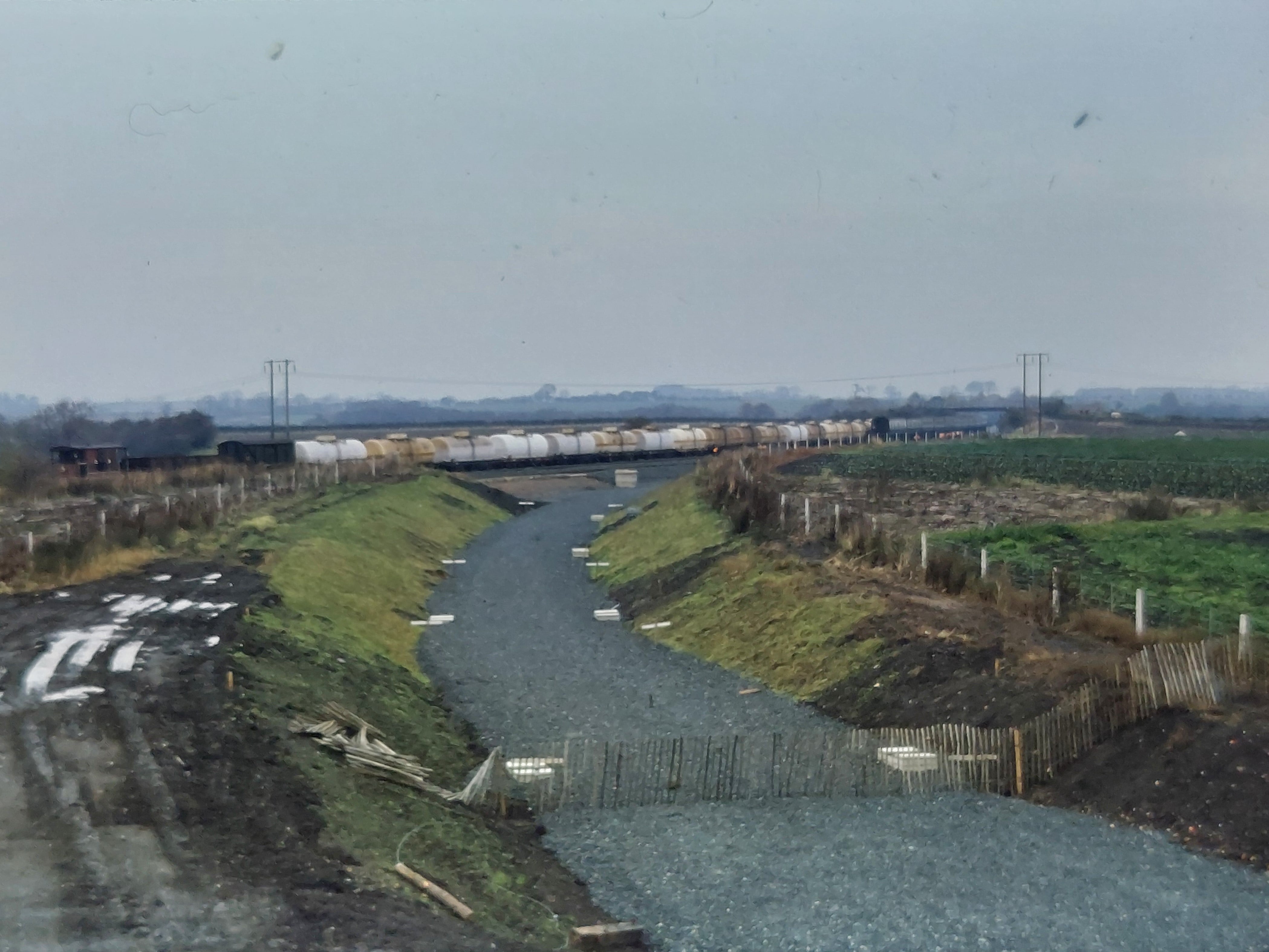
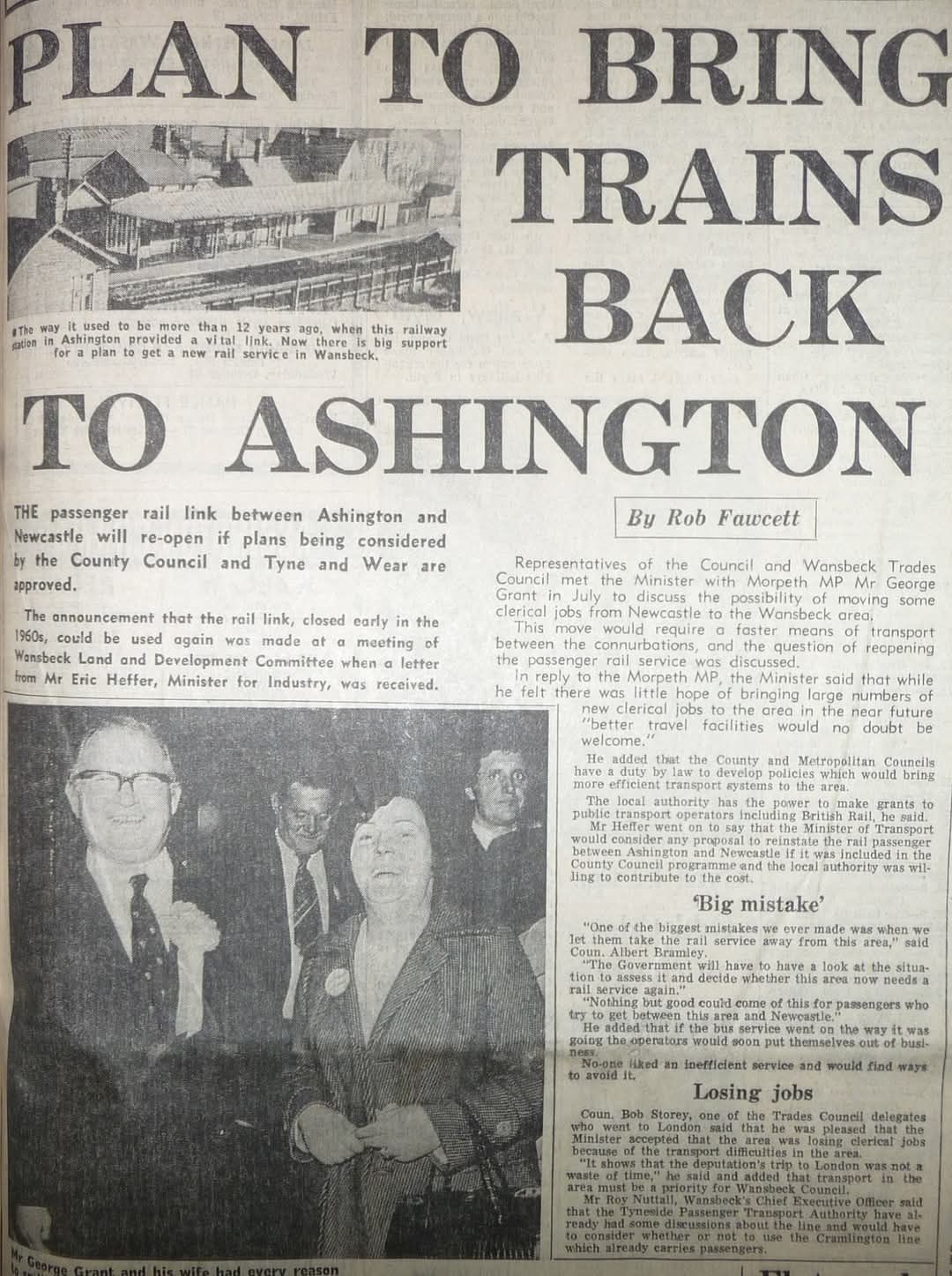
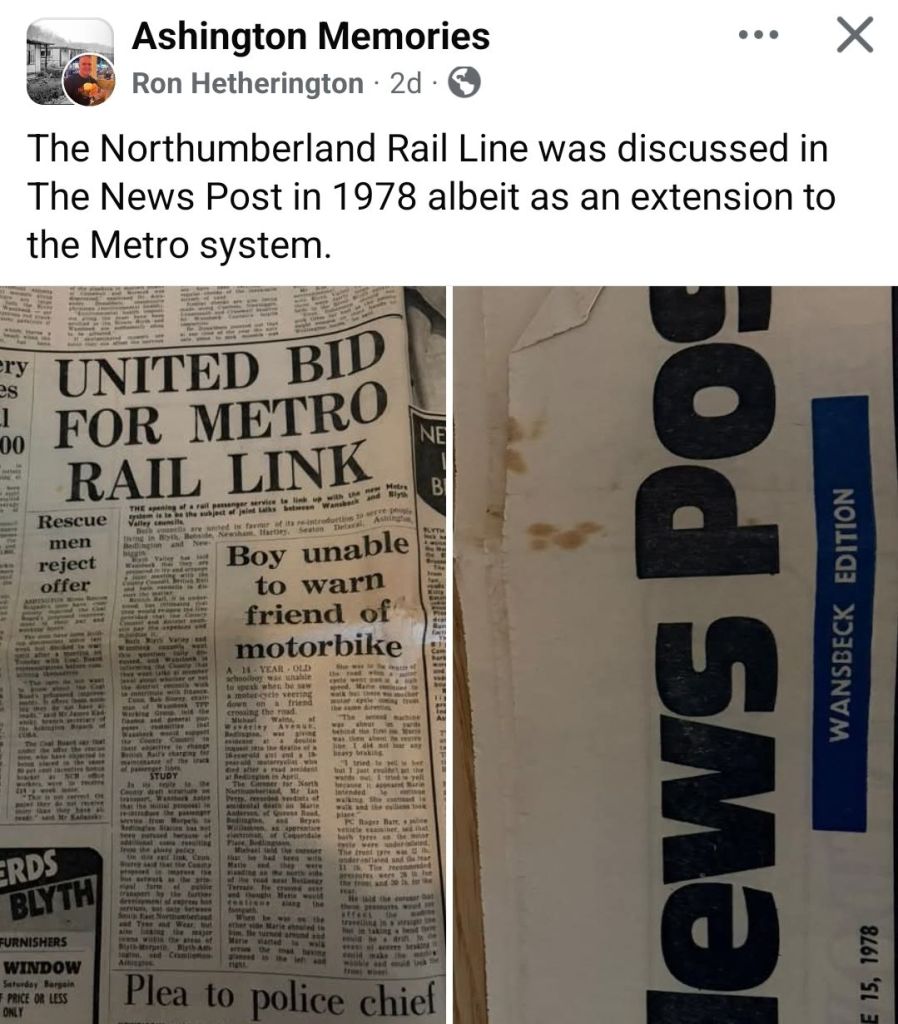
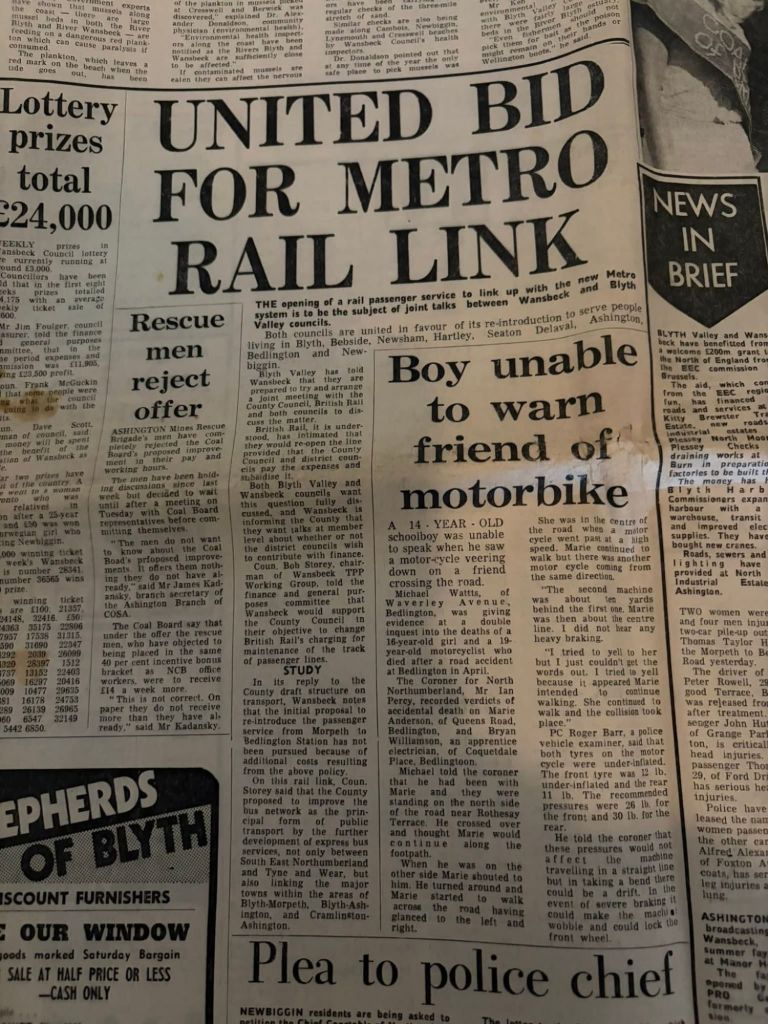
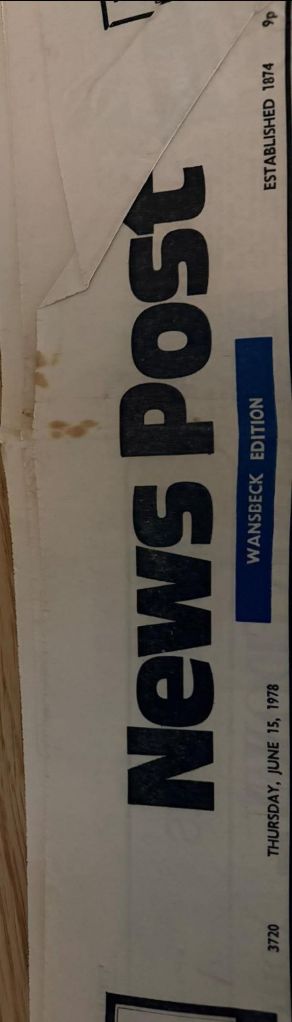
Happily, in 2024 the long awaited reopening of the Newcastle to Ashington route finally happened as the ‘Northumberland Line’. Campaigns for the reopening of route date back as far as 1974, with an additional article below from 1978 too.
In my own view, this represents a far more secure future as a mixed use railway once again; a very solid use now for passengers alongside the up’s and down’s of railfreight traffic.
The recently reopened Northumberland Line, with every train calling at every station on a ‘drumbeat’ timetable of every half an hour from morning to early evening, then hourly til late is ideal; you almost need not know the timetable. Turn up and go rail services are a winner!
At present, the services use only Class 156 and Class 158 diesel units built in the late 1980’s and early 1990’s, many being older than myself!
Whizzing past a wonderful part of the world.
As the article states, it is all to often perceived that the ECML, with branded trains such as LNER (sometimes referred to cheekily as the London, Newcastle and Edinburgh Railway given the relative rarity of intermediate stops) and other operators view Northumberland as somewhere to simply pass through between Edinburgh and Newcastle; a pretty view from the train window as you’re whisked past on a fast express.
There are, in reality a fair range of semi-fast LNER trains calling at Berwick, Alnmouth, and Morpeth, as well as other operators such as TransPennine Express, but there should also be a better range of services also calling at Chathill, Acklington, Widdrington, and Pegswood.
This is perhaps ideally combined with some trains forming a link to the Northumberland Line at Bedlington, and then to Newcastle, a section of line which itself is home to a number of major attractions such as the National Trust operated Seaton Delaval Hall, the aforementioned Woodhorn Colliery (note there isn’t access to the headgear on an ordinary day!), and Blyth Battery to name just a few.
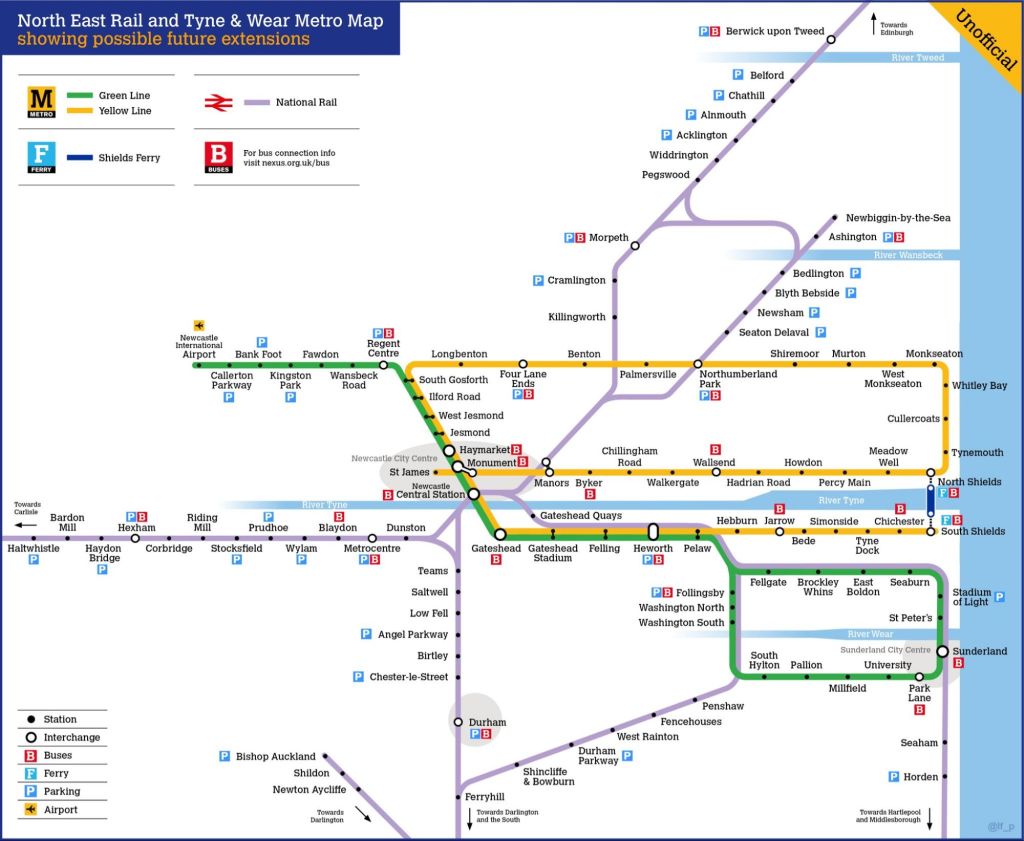
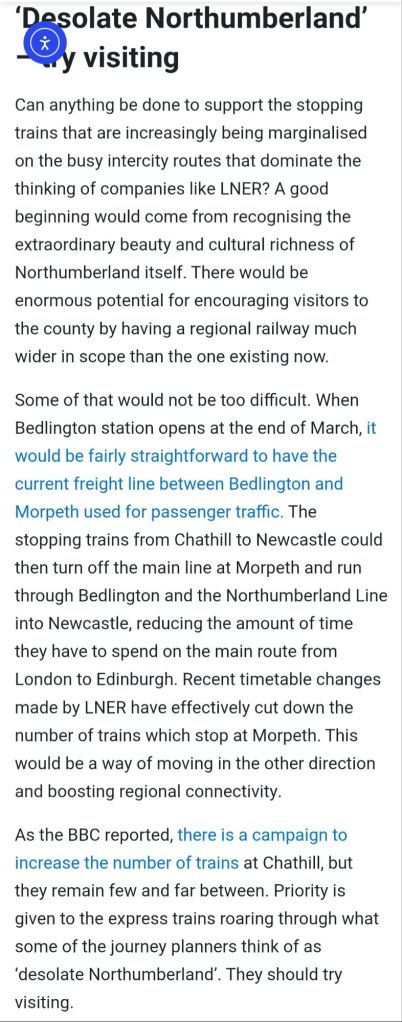
As the NE Bylines article above mentions, trains running between Newcastle and Edinburgh could make better use of the ‘loop’ from Benton Junction to Morpeth North Junction; it effectively acts as a section of 3/4 track railway north of Newcastle if taken alongside the ECML, meaning a slower stopping train could come off the ‘mainline’ for several miles, allowing faster trains to overtake slower ones.

Ecclesiastes 1:9–10: ‘Nothing new under the sun.’
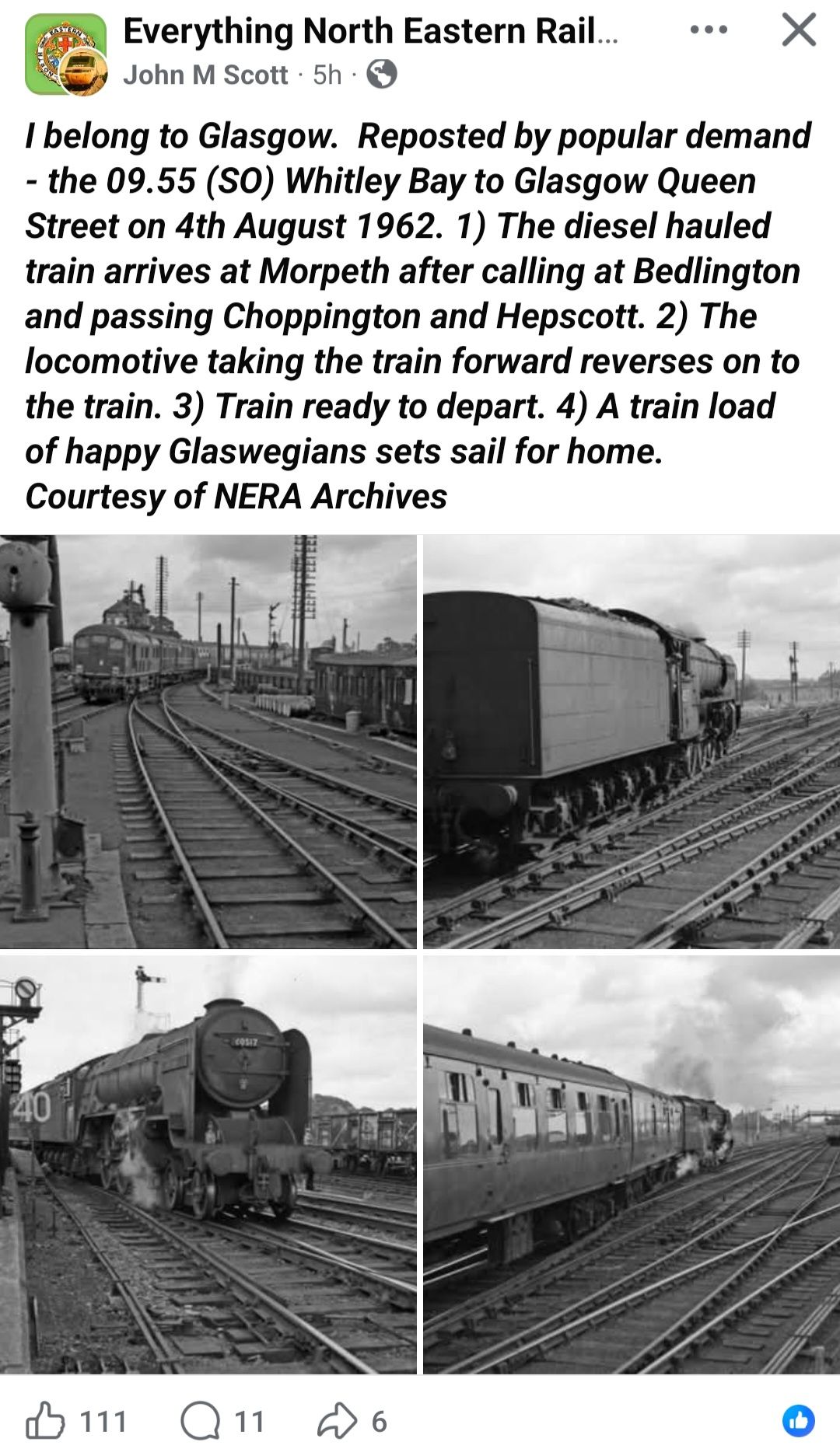
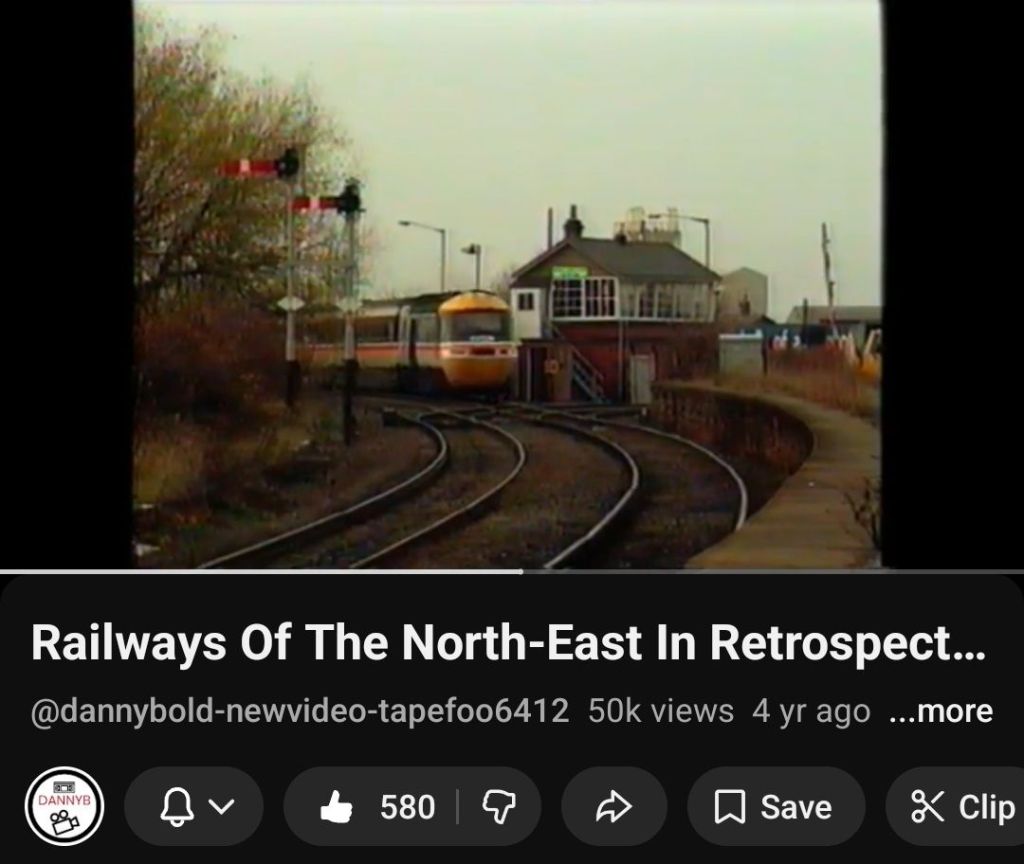
The use of fast (125mph capable trains) on this route is not unprecendented; HST diversions via Bedlington happened on several occasions in the late 1980’s and early 1990’s, seen below in a screenshot passing through the disused platform at Bedlington c. 1992.
Had stations on this route remained open, it is likely, in my opinion that a handful of InterCity services would have started running via the old B&T to serve major towns like Blyth, the big barrier being that most of the stations were long closed and demolished by the time the Morpeth North Curve was built and opened up.

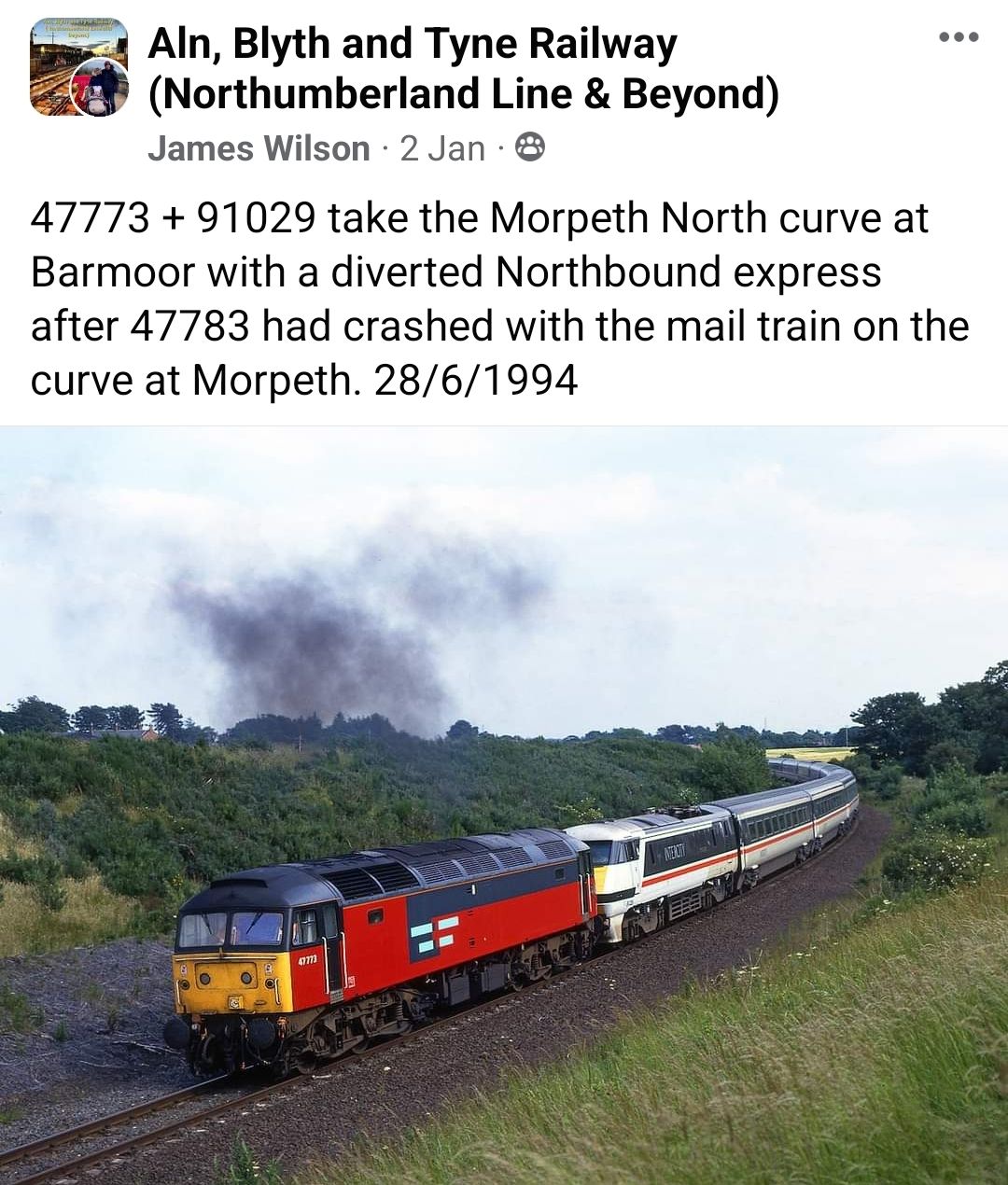
Even high speed ‘Electra’ sets (Class 91) have ran via Bedlington, but required to be dragged by a suitable diesel locomotive, as shown below.
In the longer term, electrification of these lines would allow electric trains to traverse the route under their own power, rather than rely on a ‘drag’ by a diesel locomotive.
This ‘alternative’ section of the East Coast could be used to great effect, and solve a number of problems together.
- Wider range of rolling stock to carry Northumberland Line passengers: by diverting just some existing trains between Newcastle and Edinburgh to run via Bedlington, calling at least at Northumberland Park and Blyth Bebside, it could go a long way to easing the crammed carriages on Northern services by adding extra trains to the route.
- A ‘new’ connection within Northumberland; the route via Bedlington would directly link up parts of Northumberland that presently only has a rail connection via Newcastle. A direct route avoids the need to change trains at all on some journeys, which is both more comfortable and more convenient for many rail users.
- Greater railway resilience; a diversionary route being active and regularly used by passenger trains means that any sudden closure of a route can be quickly worked around. Arguably ALL ECML drivers and train crew who learn the route between Newcastle and Edinburgh would benefit from also learning the diversionary route via Bedlington too; so in the event of disruption, both planned and unplanned, the option to go via Bedlington is more easily and quickly available.
- Economic growth: This route via Bedlington would help areas that have long struggled with deindustrialisation to develop new industries or allow commuting to other parts of Northumberland for tourism opportunities, for example Northumbrians from the SE of the county could access work in seasonal tourism businesses such as pubs, cafes etc without the need to use cars or relocate into typically very high value postcode areas, allowing tourism in the more rural parts of Northumberland to benefit urban areas in SE Northumberland.
If you agree, please join the 1116 so far who have signed the petition so far! https://www.change.org/p/start-a-newcastle-edinburgh-rail-service-via-blyth-bebside-and-northumberland-park
Thanks for reading! RH.
 The Northumberland Coast Loop