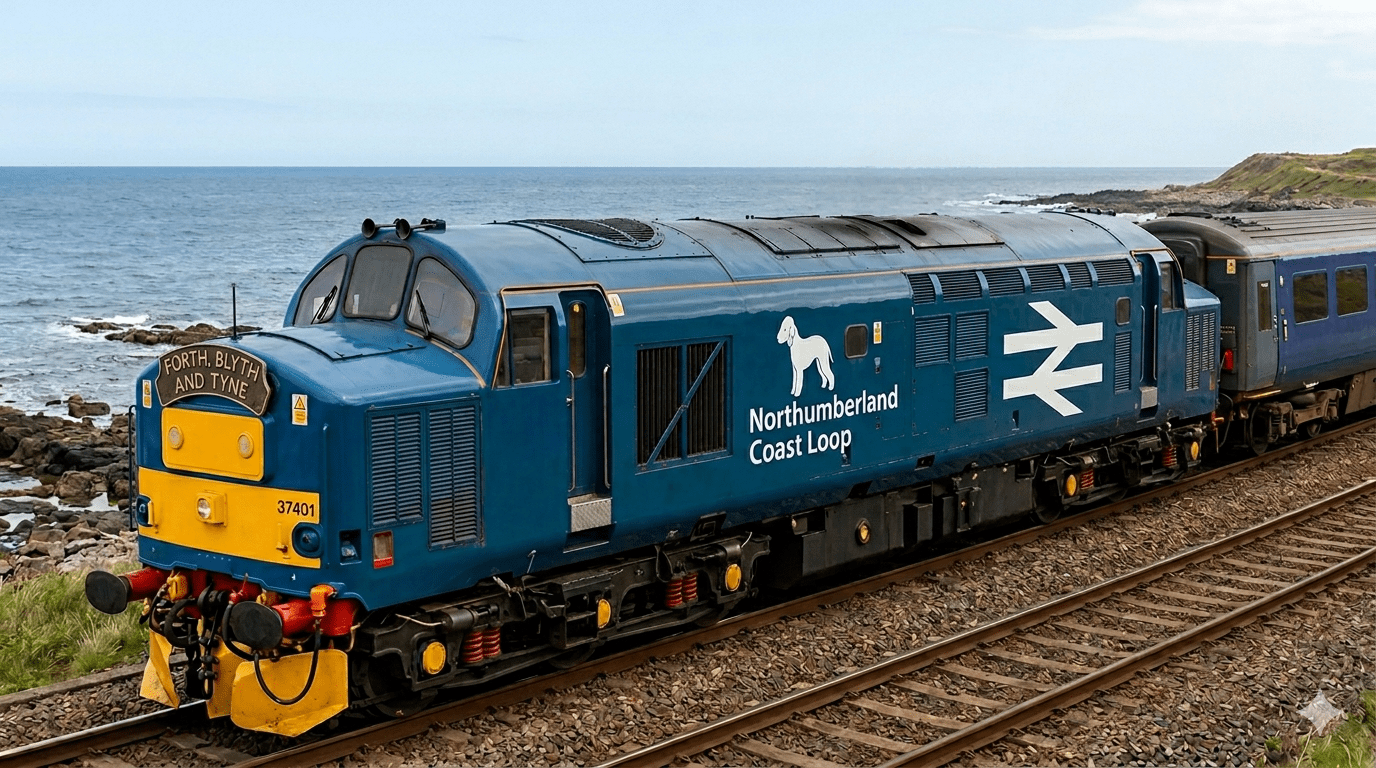
On Sunday coming (29th March 2026), the final Northumberland Line station at Bedlington will finally open to passengers and mark the completion of this hugely successful but unfortunately much delayed project.
The opening date of 15th December 2024 was much revised from original forecasts, and only two stations (Ashington, and Seaton Delaval) opened on that date, joined progressively by Newsham (17th March 2025), Blyth Bebside (19th October 2025), and Northumberland Park (22nd February 2026).
Despite only opening with two stations, passenger numbers started very strong, and jumped significantly with each successive station opening; to the point where reputedly people cannot board at stations such as Seaton Delaval as the trains are full upon leaving towns such as Blyth.
There have even been some extraordinary remarks made that stations such as Bedlington ‘shouldn’t be opened until more carriages come’ due to how busy the line is!
As a lifelong advocate for the line to be reopened, I’ll freely admit to feeling full of joy, and doing a James May style ‘victory dance’ at how successful the line has been over the last 15 months!
Anyway, back to trains!
With this astounding start, it is clearly a good time to build on this success and deliver even more:
Newbiggin-by-the-Sea extension
Extending the Northumberland Line north beyond Ashington, and around to Woodhorn and Newbiggin-by-the-Sea has been announced multiple times by Northumberland County Council as their intended next phase, subject to a feasibility study, planning permission, and funding and is much welcomed by myself.
I personally feel that rebuilding the branch into Newbiggin itself might be less preferable than a station at the Church of St. Mary, Woodhorn (where the existing line to Lynemouth Power Station crosses the A197), as this could allow for a terminus station within Lynefield Park (former smelter site) serving this growing business park, as well as a future extension to Lynemouth itself when the power station ceases operation at some point in the future, and a new station could be built nearby to the Lynemouth Miners Welfare Institute, which would serve Lynemouth directly, but also offer a fair connection for Ellington and Cresswell too.
Those are just my own thoughts on the extension, and a feasibility study process might identify which option is the better one.
The Northumberland Coast Loop
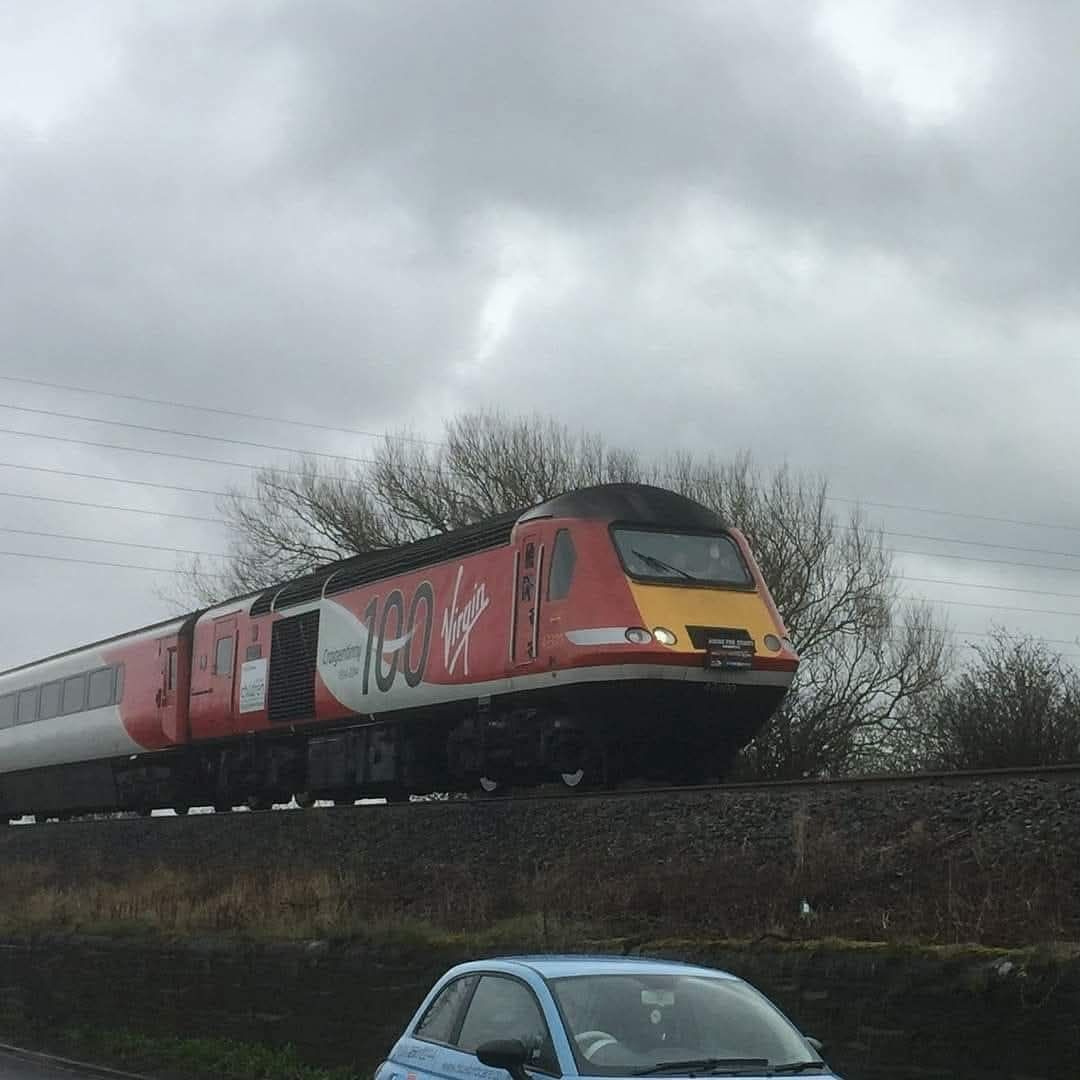
This campaign began around nine years ago; long before the Northumberland Line opened in 2024, but was inspired by the long running campaign to reopen the then ‘Ashington, Blyth, and Tyne Line’, coupled with the 2017 ‘Bound for Craigy’ railtour which ran on 18th March 2017 operated by Virgin Trains East Coast (VTEC) and the Branch Line Society (BLS) for the 40th anniversary of the Class 43 HST sets, and raised £50,000 for The Railway Children charity.
Led by power car 43300, and with 43082 on the rear, this tour took the proposed Northumberland Coast Loop route from Newcastle towards Edinburgh via Bedlington, I took the photo below of it passing Barrington Road, which is between Bedlington railway station and the site of Choppington station.
Over the ensuing years, and with the Northumberland Line scheme clearly making progress, the Northumberland Coast Loop proposal started to take shape, as it showed the benefit of using the route to connect SE Northumberland to North Northumberland in a way that wasn’t possible until the 1980’s, well after the stations had closed in 1964.
I travelled the route personally just shy of eight years later aboard ‘The Seven Counties Rambler’ on 8th March 2025.
Morpeth North Curve: A century too late?
What is now known as the Morpeth North Curve was noted by C.R. Warn (1976 p. 35 & 36 in his book ‘Main Line Railways of Northumberland’, where it was authorised in 1882 ‘to avoid reversing coal trains travelling from Widdrington to Blyth‘ but strangely was not built until almost a century later despite the vast growth of Blyth as a coal shipping port driven by the NER itself, becoming one of the busiest coal exporting ports in Europe in the 1960’s.
Had this curve opened pre-WW1, I would speculate that Blyth, as an important industrial town with coal mining and shipbuilding would almost certainly have commanded a long-distance service to serve the town, and possibly would have retained it even through through the postwar era through to today.
Similarly, areas such as North Tyneside, another thriving industrial area, and the coast from Whitley Bay to Tynemouth as a once major tourism hotspot would similarly have likely commanded enough of a market for long-distance services for passenger trains to have survived and possibly thrived again.
Whitley Bay to Glasgow
An example such as this 1962 special train from Whitley Bay to Glasgow Queen Street might have survived longer if the direct connection from Bedlington towards Scotland had then existed, avoiding the awkward reversal at Morpeth and therefore the potential need for two locomotives (steam & diesel), and thus the reduced costs and operational complexity involved.
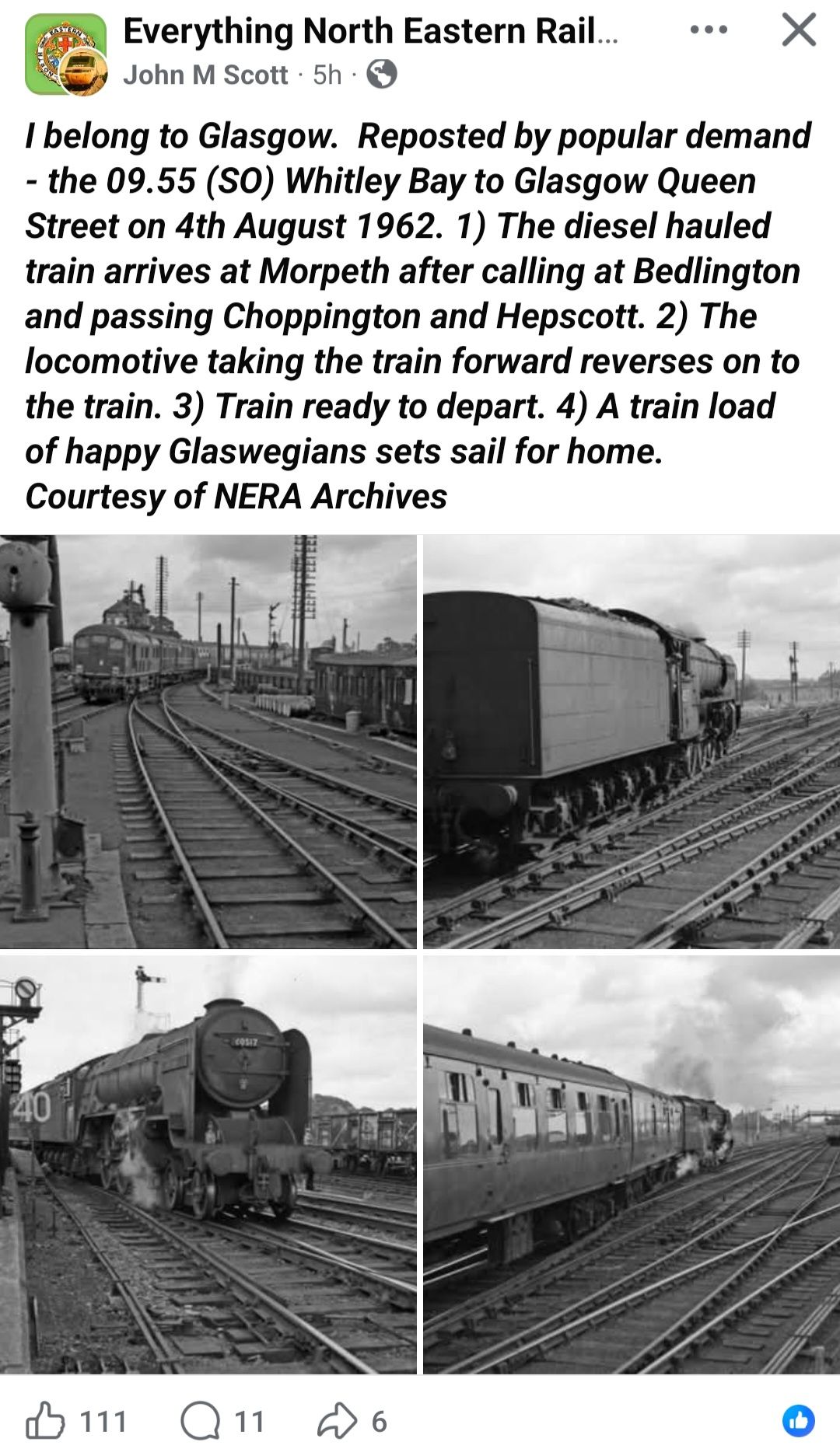
Sadly, history didn’t happen that way; the curve wasn’t opened until 1980, long after most of the stations on the potential route had closed and been demolished (only Bedlington remained intact) so the opportunities of what might have been were unfortunately lost.
Still an opportunity today.
Blyth does howver, remain as an important industrial town; as despite closures of mines and shipyards, a new future as a major centre for green energy infrastructure beckons; businesses like JDR cables in Cambois for example supplying cables for offshore wind farms for example.
Similarly, while Whitley Bay, Cullercoats, and Tynemouth may not be the ‘resort’ that they once were bring hordes of Glaswegians to the area, they are still popular places to visit from far and wide.
The route map below shows the potential of connections along this route; Northumberland Park, now open as an interchange between trains and the Tunr and Wear Metro is ideally placed to distribute people around North Tyneside wherever their intended final destination is.
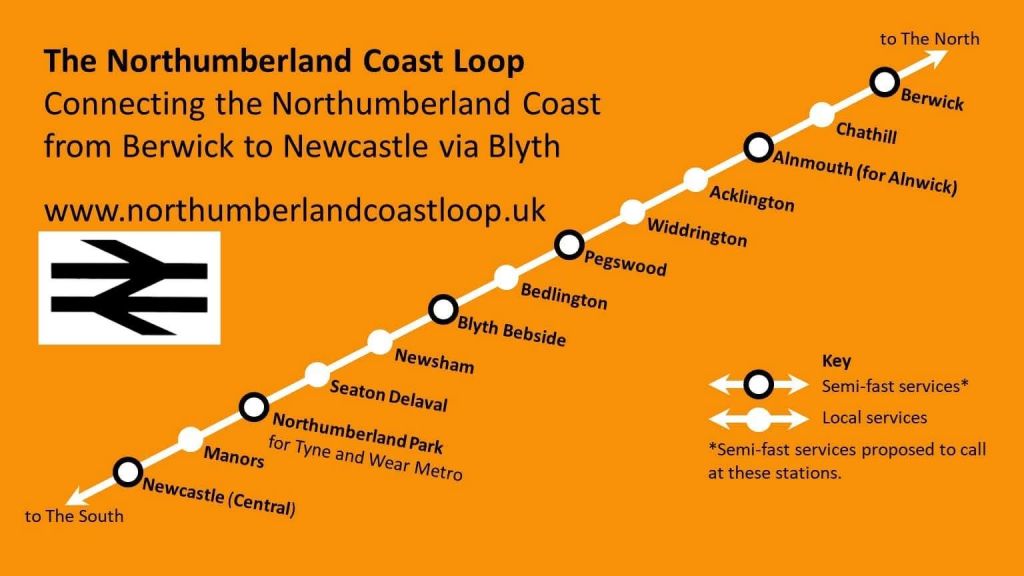
Blyth Bebside would give easy access by rail, bus, car, bike or walking to a wide area of SE Northumberland, boosting the local economy by making access to education, training, employment and leisure easier.
For example, students from Berwick wishing to access Ashington College would only need to change train at Blyth Bebside and travel up to Ashington then have a short walk to campus, whereas currently it is a bus transfer from Morpeth (with notable problems of reliability on the 35 bus), or travelling into Newcastle and back again which adds unnecessary time to journeys when a shorter link is possible.
Leisure opportuntities are also significant; year round attractions like Seaton Delaval Hall or seasonal ones like Blyth Battery (World War 1 and 2 coastal fortification) have significant tourist draw, and major but short events such as the highly successful Tall Ships Regatta of 2016, which brought an estimated 500,000 visitors to the town, and £13.5m boost to the local economy could be made even greater with a long distance rail link to make reaching Blyth even easier should the event be repeated or something similar be hosted again in the port.
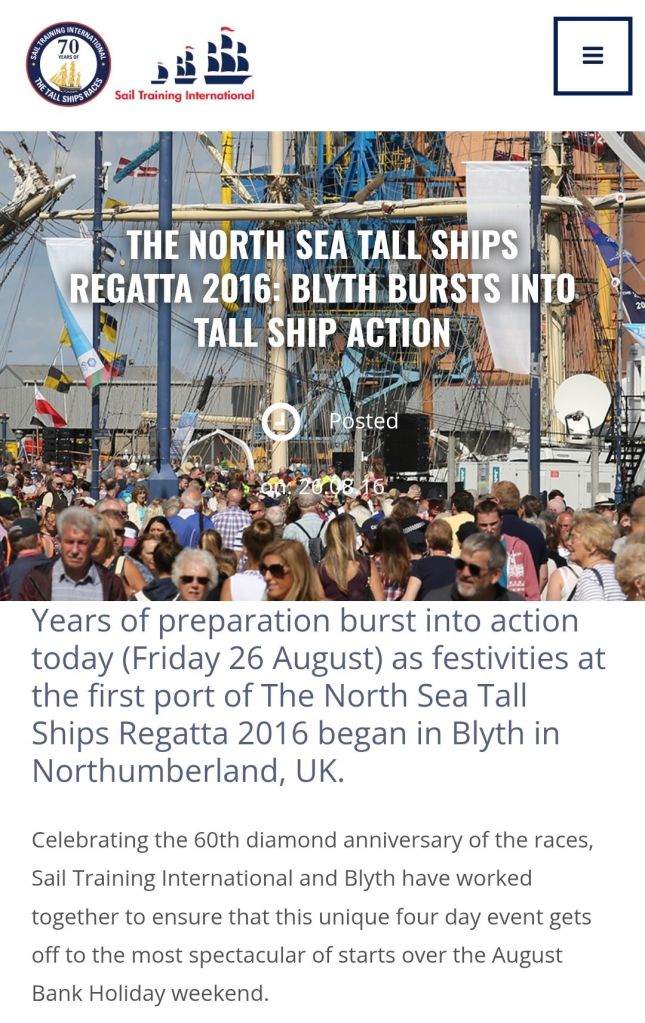
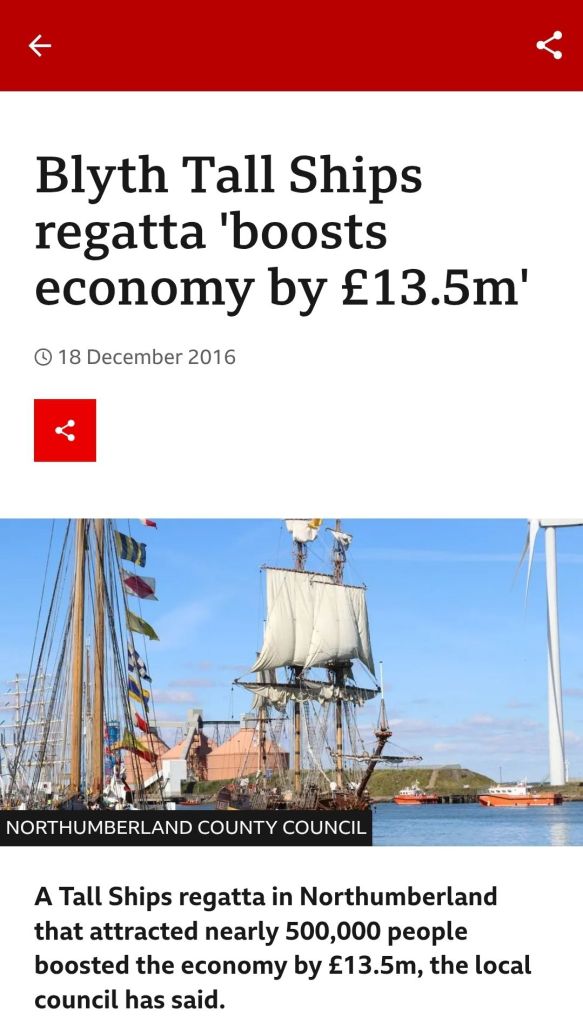
All of the above is a strong economic case to go beyond ‘just’ the Northumberland Line as it stands today, and use the existing link from Bedlington back to the East Coast Main Line (ECML) as soon as possible.

At the time of writing, the petition to support a rail service between Newcastle to Edinburgh via Blyth Bebside and Northumberland Park stands at 1,149 signatures.
Choppington Station: A clear candidate for reopening
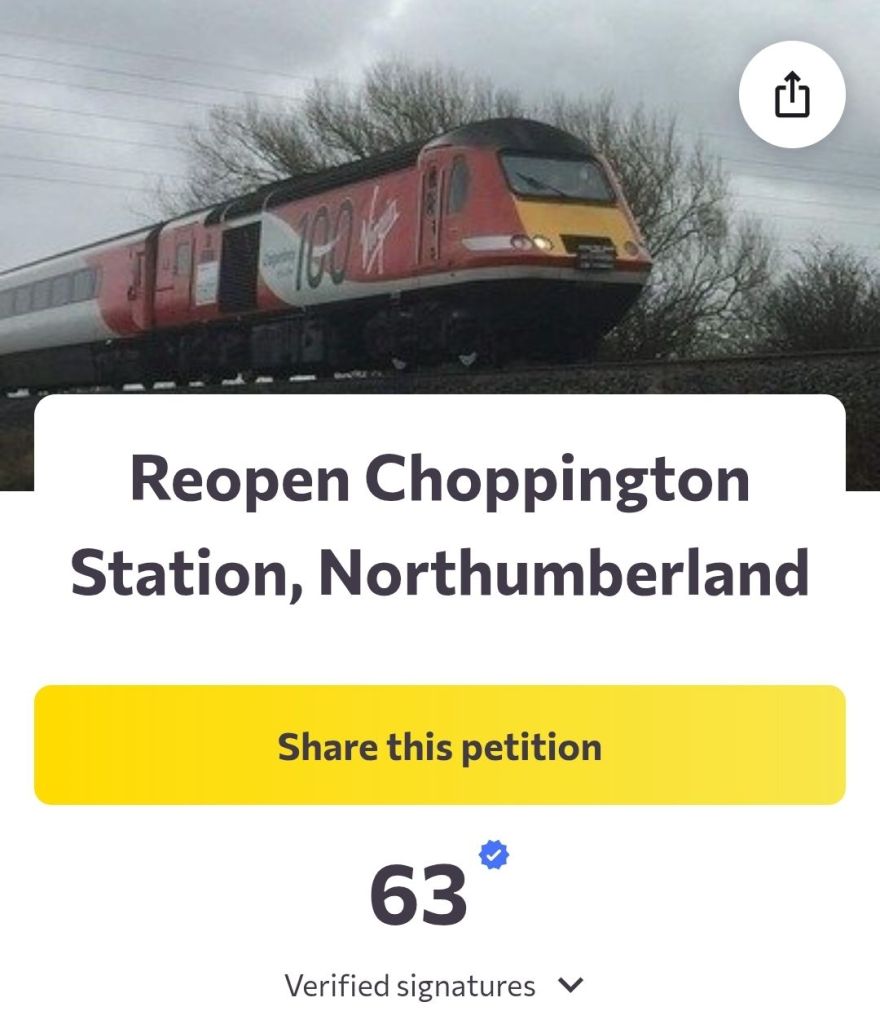
With the huge success of the Northumberland Line, a clear candidate to be reopened would be Choppington station, which sits on two potential routes; the Northumberland Coast Loop route between Newcastle and Edinburgh via Bedlington, as well as the Bedlington to Newcastle via Morpeth route as advocated for by SENRUG.
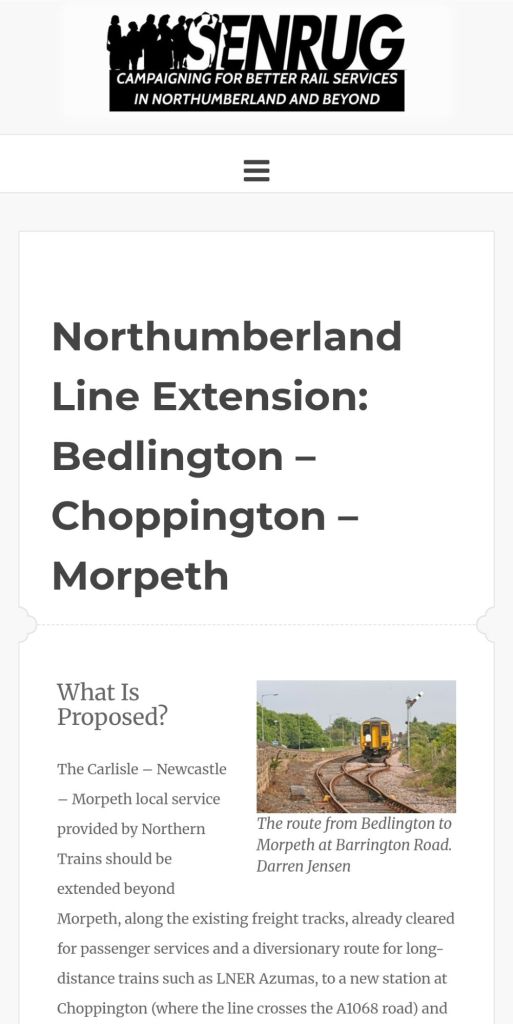
As stated on the SENRUG page, the route appears to be already cleared for passenger use, and rolling stock such as the LNER Azumas for diversionary purposes, so the barriers to both the InterCity N.C.L. route and Newcastle to Bedlington local trains would appear to be minimal.
A new station at Choppington, if sited close to the A1068 would provide a great interchange between rail and local buses using that road, and is within easy walking/cycling distance from large parts of Bedlington, Scotland Gate, Guide Post, and Choppington.
If you can, please support both the N.C.L route plus the new station at Choppington by signing both petitions!
 The Northumberland Coast Loop